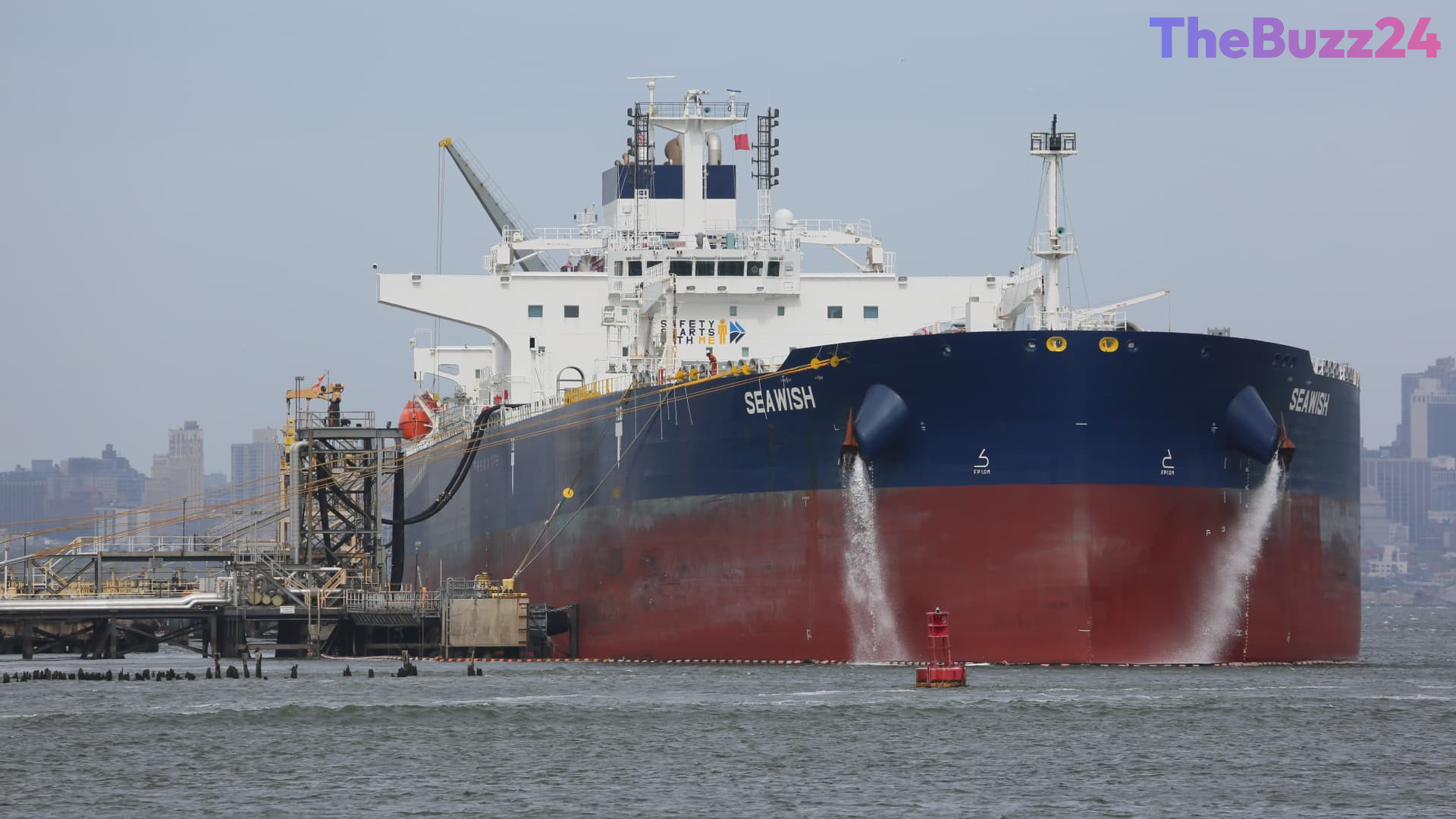
Global Oil Markets Soften as OPEC+ Moves to Boost Production Targets
Oil prices experienced a slight decline on Monday following a decision by OPEC+ to increase production targets starting in August. Brent crude futures dipped 0.33% to $71.88 per barrel, while U.S. West Texas Intermediate (WTI) crude saw a marginal decrease of 0.16% to $68.58 per barrel. This downward pressure comes as major producers in the Gulf region continue to restore export volumes that were previously disrupted.
The latest agreement among OPEC and its allies, including Russia, mandates an output increase of 188,000 barrels per day. This move follows a series of incremental production hikes implemented throughout the summer. Despite these official targets, market analysts remain cautious, noting that actual production levels often lag behind quotas due to the ongoing recovery from regional conflicts and infrastructure challenges.
Supply dynamics are further complicated by shifting export patterns. While Gulf nations are steadily reviving shipments, Russia has reported record-high crude exports from its western ports. This surge is largely attributed to domestic refinery damage caused by recent drone strikes, which has forced the nation to redirect crude oil to international markets. As global supplies begin to stabilize, investors are closely monitoring how these increased volumes will interact with fluctuating demand and geopolitical tensions.
Key Takeaways
- OPEC+ has finalized an agreement to increase oil production targets by 188,000 barrels per day starting in August.
- Oil prices saw a minor decline as markets reacted to the prospect of increased global supply and recovering Gulf exports.
- Russian crude exports have reached record highs as domestic refinery disruptions force more raw oil onto the international market.
Editor’s Analysis & Impact
The decision by OPEC+ to increase production targets reflects a strategic effort to balance market supply as global demand recovers from recent geopolitical volatility. However, the market impact of these quotas is currently muted by the reality that many member nations are struggling to meet their targets due to infrastructure damage and the lingering effects of regional conflicts. The surge in Russian crude exports, driven by domestic refinery outages, adds a layer of complexity to global pricing, as it offsets some of the supply constraints seen elsewhere. Looking ahead, the market will likely remain sensitive to the speed at which Gulf producers can fully restore their export capacity. If production continues to ramp up while refinery issues persist in key regions, we may see further downward pressure on crude prices in the coming quarter.
Frequently Asked Questions
Q: Why are oil prices falling despite the OPEC+ production increase?
A: Oil prices are reacting to the anticipation of increased supply entering the market, which typically exerts downward pressure on commodity prices when demand remains stable.
Q: How are drone attacks affecting Russian oil exports?
A: Drone attacks have damaged Russian refineries, reducing their capacity to process crude oil domestically. Consequently, Russia has increased its exports of raw crude oil to international markets.
AI Disclosure: This article is based on verified data and official reports. Our Team and AI have cross-referenced every financial detail with primary sources to ensure total accuracy.
More from this Category