U.S. Dollar Softens as Rate Hike Expectations Cool; Yen Remains Under Pressure
The U.S. dollar began the week hovering near two-week lows as market participants recalibrated their expectations regarding Federal Reserve interest rate policy. Following a recent payrolls report that indicated a significant cooling in job growth, investors have largely scaled back their bets on further rate hikes for the remainder of the year. The dollar index, which tracks the greenback against a basket of six major currencies, settled at 100.9 in early trading, reflecting a broader retreat from the currency’s recent highs.
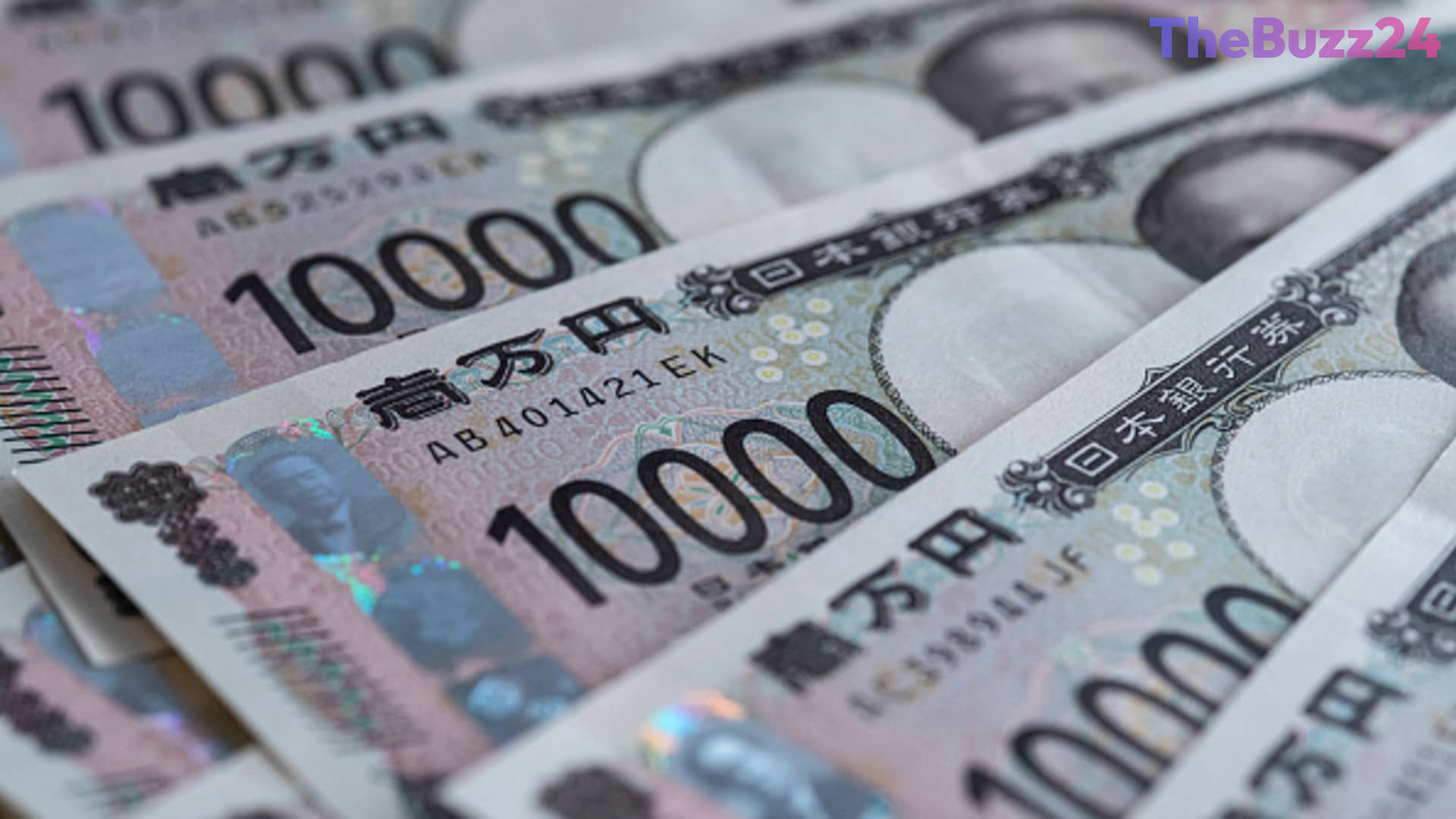
While the dollar faces downward pressure, the Japanese yen remains the focal point of global currency markets. Trading near 161.57 against the dollar, the yen is currently lingering near levels not seen since 1986. This persistent weakness has kept traders on high alert for potential intervention from Tokyo. Although a brief surge in buying last week provided a momentary lift, market analysts remain skeptical that official intervention can provide a sustained reversal without a fundamental shift in macroeconomic conditions.
Elsewhere, the South Korean won saw a slight strengthening during the inaugural session of its expanded 24-hour onshore trading window. Meanwhile, global investors are turning their attention toward the upcoming release of the Federal Reserve’s June meeting minutes. These documents are expected to provide critical insight into the central bank’s current stance on inflation and interest rates, especially as declining oil prices have begun to alleviate some of the broader inflationary pressures that have dominated the economic narrative throughout the year.
Key Takeaways
- The U.S. dollar is trading near two-week lows as cooling job growth data leads markets to lower expectations for Federal Reserve rate hikes.
- The Japanese yen remains near 40-year lows, keeping investors cautious about potential government intervention to stabilize the currency.
- Market focus has shifted to the upcoming Federal Reserve meeting minutes to better understand the central bank's outlook on inflation and future policy.
Editor’s Analysis & Impact
The current currency landscape reflects a delicate transition period for global monetary policy. The U.S. dollar’s recent retreat suggests that the market is finally pricing in the reality of a cooling labor market, which may force the Federal Reserve to adopt a more dovish tone in the coming months. However, the persistent weakness of the yen highlights the limitations of central bank intervention in the face of significant interest rate differentials. Unless the Bank of Japan shifts its fundamental policy stance, the yen will likely remain vulnerable to speculative pressure. Looking ahead, the volatility in the USD/JPY pair serves as a bellwether for global risk sentiment; if intervention efforts fail to yield lasting results, we may see increased capital flight into safe-haven assets, further complicating the global economic recovery trajectory.
Frequently Asked Questions
Q: Why is the U.S. dollar currently weakening?
A: The dollar is weakening primarily because recent U.S. payroll data showed a sharp slowdown in job growth, leading investors to believe the Federal Reserve is less likely to implement further interest rate hikes this year.
Q: Why are investors nervous about the Japanese yen?
A: The yen is trading near 40-year lows against the dollar, which increases the risk of government intervention. Investors are concerned that Tokyo may take sudden, aggressive action to prop up the currency, which could cause significant market volatility.
AI Disclosure: This article is based on verified data and official reports. Our Team and AI have cross-referenced every financial detail with primary sources to ensure total accuracy.
More from this Category