U.S. Firms Pivot to Chinese AI Models as Cost Pressures Mount
American businesses are increasingly integrating Chinese-developed artificial intelligence models into their operations, driven by a growing need to manage the surging costs associated with proprietary U.S. systems. As companies shift from a ‘growth at all costs’ mindset to a more fiscally disciplined approach, the performance gap between top-tier American models and their Chinese counterparts has narrowed significantly, making the latter an attractive alternative for developers.
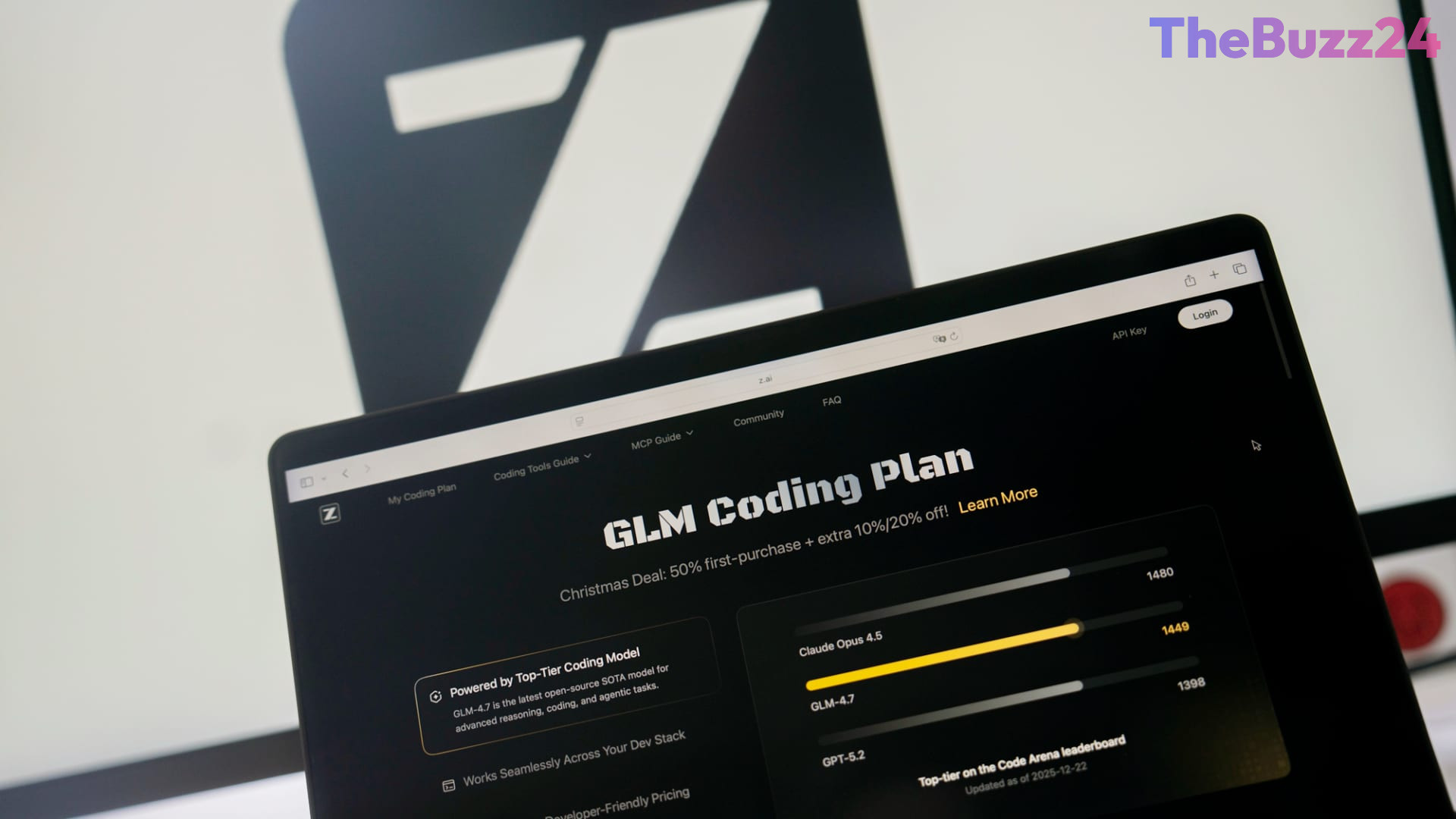
Platforms that aggregate AI model access have reported a dramatic uptick in the usage of Chinese-built systems, such as DeepSeek and Z.ai. Data indicates that these models, which often utilize open-source or open-weight architectures, can be 60% to 90% cheaper than the flagship offerings from major U.S. labs like OpenAI and Anthropic. For many firms, the decision is purely economic; when a specific task does not require the absolute peak of computational power, routing traffic to a more affordable, highly capable Chinese model has become a standard strategy to preserve margins.
Beyond cost, the technical capabilities of these models have reached a point where they are competitive for a wide range of professional applications. While some analysts estimate these systems remain several months behind the most advanced U.S. frontier models, they are proving sufficient for the vast majority of enterprise workloads. This shift is occurring despite a complex regulatory environment, as U.S. policymakers continue to evaluate potential restrictions on foreign-developed AI technology, creating a precarious landscape for companies attempting to balance performance, budget, and geopolitical compliance.
Key Takeaways
- U.S. companies are increasingly adopting Chinese AI models to combat the rising costs of proprietary American systems.
- Chinese models like DeepSeek and Z.ai are reportedly 60% to 90% cheaper than leading U.S. alternatives while maintaining competitive performance.
- The shift toward open-source and open-weight Chinese models is driven by a need for cost-efficiency and greater control over AI infrastructure.
Editor’s Analysis & Impact
The migration of U.S. enterprise traffic toward Chinese AI models signals a critical inflection point in the global AI market. For the past two years, the industry has been defined by a ‘frontier-first’ mentality, where companies prioritized the most powerful models regardless of price. However, as the novelty of generative AI wears off and the focus shifts to ROI, cost-consciousness is becoming the primary driver of procurement. This trend poses a significant challenge to U.S. AI labs, which must now justify their premium pricing against increasingly capable, low-cost international competitors. If this trend continues, we may see a bifurcation in the market: high-end, proprietary U.S. models reserved for specialized, mission-critical tasks, and a commoditized layer of open-weight models—frequently sourced from China—handling the bulk of daily enterprise operations. This creates a long-term strategic risk regarding data sovereignty and supply chain dependency.
Frequently Asked Questions
Q: Why are U.S. companies choosing Chinese AI models over domestic ones?
A: The primary driver is cost. Chinese models are often 60% to 90% cheaper than top-tier U.S. proprietary models, offering a more sustainable price point for businesses looking to optimize their AI infrastructure.
Q: Are Chinese AI models as capable as those from OpenAI or Anthropic?
A: While some analysts suggest they are roughly six to nine months behind the absolute frontier of U.S. technology, they are highly capable for most enterprise tasks and have shown performance parity on several key industry benchmarks.
AI Disclosure: This article is based on verified data and official reports. Our Team and AI have cross-referenced every financial detail with primary sources to ensure total accuracy.
More from this Category