US Launches Massive Retaliatory Air Strikes on Iranian Targets, Threatening Fragile Ceasefire
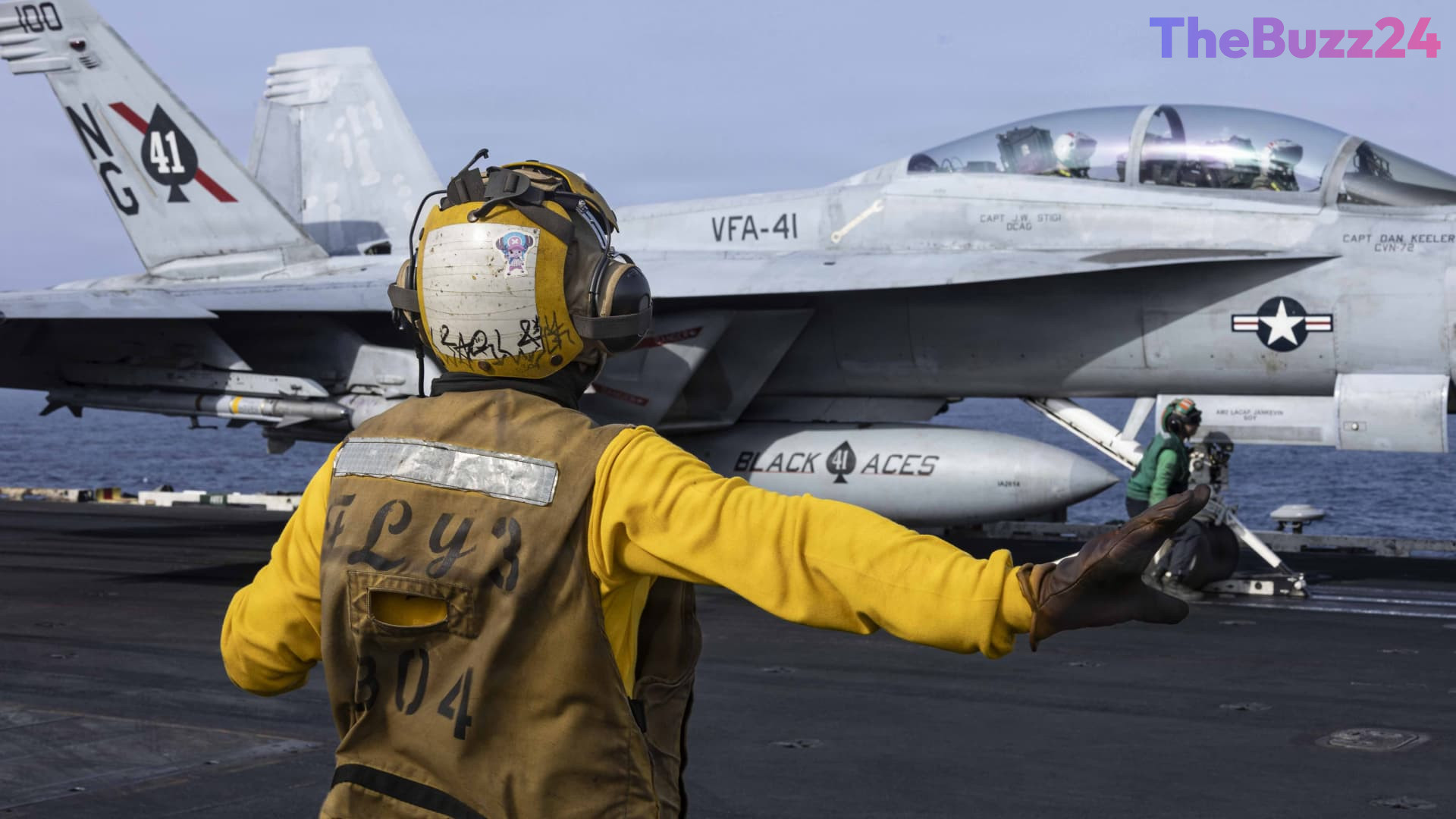
The United States military has executed a series of high-intensity precision airstrikes against multiple Iranian targets, significantly escalating tensions in the Middle East. The operation, carried out by U.S. forces, targeted over 80 strategic locations in response to recent Iranian attacks on three commercial vessels navigating the critical Strait of Hormuz. Among the destroyed assets were air defense systems, command and control hubs, anti-ship missile installations, and more than 60 small boats belonging to the Islamic Revolutionary Guard Corps (IRGC).
This military action marks a severe blow to the fragile memorandum of understanding (MOU) established in June, which had temporarily halted active hostilities and reopened the Strait of Hormuz. Following the strikes, Iranian Parliament Speaker Mohammad Bagher Ghalibaf condemned the U.S. actions, accusing Washington of major violations of the agreement and declaring that Tehran would not back down under pressure. Meanwhile, neighboring Bahrain urged its citizens to seek immediate shelter, reflecting widespread regional anxiety over potential Iranian retaliation.
The geopolitical flare-up has immediately reverberated through global energy markets. Earlier on Tuesday, Washington revoked a key sanctions waiver on Iranian oil, driving crude futures sharply higher. The Strait of Hormuz remains one of the world’s most vital maritime chokepoints, and any prolonged disruption or closure threatens to trigger a severe spike in global inflation.
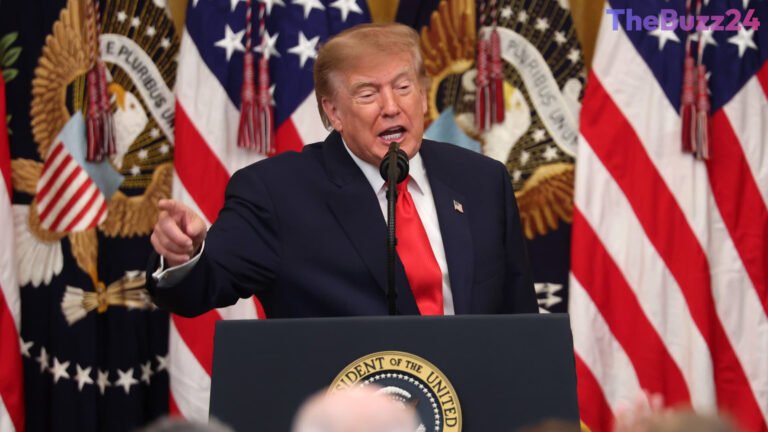
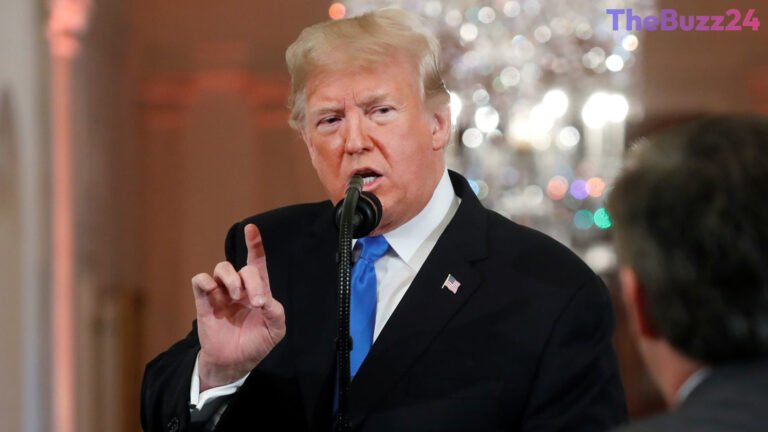
The conflict originally erupted on February 28 following joint U.S. and Israeli strikes that resulted in the death of Iran’s Supreme Leader, Ayatollah Ali Khamenei. President Donald Trump, currently attending a NATO summit in Ankara, Turkey, has maintained that the primary objective of the military campaign is to permanently block Iran from acquiring nuclear weapons capability—a central point of contention in ongoing diplomatic negotiations.
Key Takeaways
- The U.S. military struck over 80 Iranian targets, including IRGC vessels and air defense systems, following attacks on commercial shipping in the Strait of Hormuz.
- The strikes threaten to dismantle a fragile June ceasefire agreement (MOU) designed to keep the vital maritime trade route open.
- Global oil prices surged following the military action and the U.S. decision to revoke sanctions waivers on Iranian oil.
Editor’s Analysis & Impact
The sudden escalation of military action in the Strait of Hormuz places the global economy on high alert. As one of the world’s most critical transit chokepoints for petroleum, any threat of closure to the strait immediately impacts global energy supply chains. The revocation of U.S. sanctions waivers on Iranian oil, combined with these retaliatory strikes, has already triggered a sharp rise in oil futures. If Iran retaliates by attempting to block maritime traffic, we could see a prolonged energy crisis that would exacerbate global inflationary pressures. Furthermore, this escalation severely damages the diplomatic progress made under the June memorandum of understanding. Investors and market analysts should prepare for heightened volatility in energy sectors and defense stocks as the risk of a wider regional conflict intensifies.
Frequently Asked Questions
Q: Why did the U.S. launch these airstrikes against Iran?
A: The U.S. conducted the strikes in retaliation for recent Iranian attacks on three commercial shipping vessels transiting the Strait of Hormuz, aiming to protect international commerce and deter further aggression.
Q: What is the significance of the Strait of Hormuz?
A: The Strait of Hormuz is a vital global maritime chokepoint through which a significant portion of the world's oil supply passes. Disruptions here heavily impact global oil prices and economic stability.
Q: How has Iran responded to the U.S. military action?
A: Iranian Parliament Speaker Mohammad Bagher Ghalibaf accused the U.S. of violating the June memorandum of understanding, stating that Iran would not yield to external pressure, while regional neighbors like Bahrain have warned civilians to seek safety.
AI Disclosure: This article is based on verified data and official reports. Our Team and AI have cross-referenced every financial detail with primary sources to ensure total accuracy.
More from this Category