Pacific Nations Tighten Security Alliances Following Rare Chinese Submarine Missile Launch
China’s military has successfully executed a rare submarine-launched ballistic missile test in the Pacific Ocean, signaling a major step forward in its efforts to solidify a sea-based nuclear deterrent. The test, which involved a nuclear-powered submarine firing a missile carrying a dummy warhead, represents Beijing’s latest high-profile demonstration of its expanding nuclear triad capabilities. While Chinese defense officials characterized the launch as a routine training exercise that achieved its intended targets, the event has immediately heightened geopolitical tensions across the Indo-Pacific region.
Rather than deterring neighboring countries, the show of force is accelerating a regional push toward collective security. Leaders across the Asia-Pacific have voiced sharp criticism, with diplomatic officials from Australia and New Zealand labeling the launch as destabilizing and indicative of a rapid, opaque military buildup. In response to Beijing’s growing assertiveness, regional powers are rapidly deepening their defense ties. For instance, Australia and Fiji recently finalized a mutual defense treaty requiring consultation on shared security threats, while Vanuatu has moved to bar foreign military bases from its territory—a decision widely interpreted as a countermeasure against Chinese expansion.
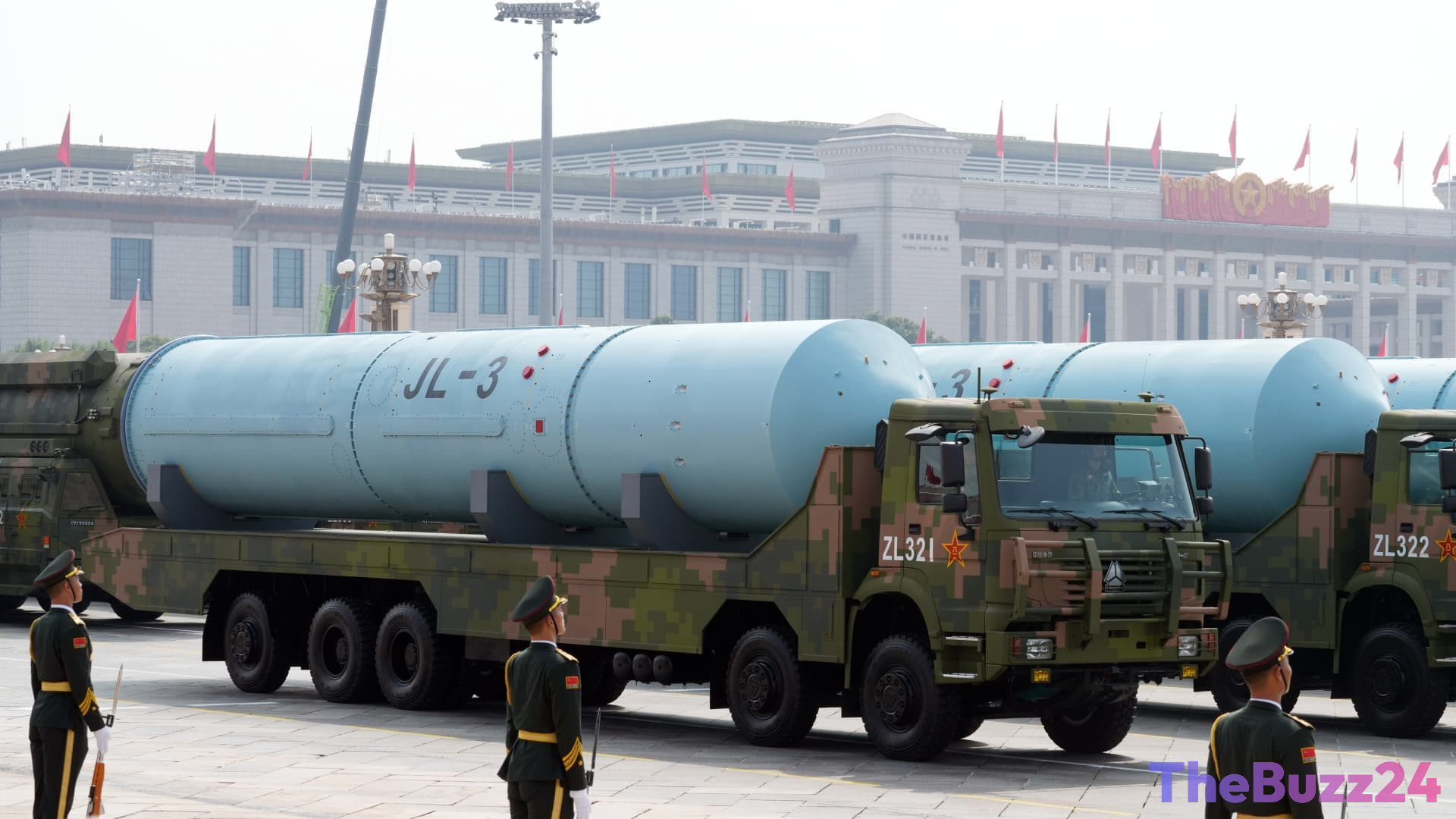
Military analysts suggest that the missile utilized in the test was likely the JL-3, China’s most advanced submarine-launched ballistic missile, which possesses the range to reach the continental United States from Chinese coastal waters. This launch follows a land-based intercontinental ballistic missile test conducted in late 2024, highlighting Beijing’s systematic progress in mastering land, air, and sea-based nuclear delivery systems. Despite the diplomatic blowback and the risk of driving U.S. allies closer together, Beijing appears to have calculated that the strategic value of demonstrating a credible second-strike capability outweighs the immediate political costs in the Pacific.
Key Takeaways
- China successfully conducted a rare submarine-launched ballistic missile test in the Pacific Ocean, demonstrating its advancing sea-based nuclear deterrent.
- The test has triggered widespread concern among regional neighbors, accelerating defense pacts and security cooperation among nations like Australia, Fiji, and Vanuatu.
- Analysts believe the missile was likely the advanced JL-3, capable of reaching the continental United States, marking a key milestone in China's development of a complete nuclear triad.
Editor’s Analysis & Impact
This latest missile test underscores a critical shift in the Indo-Pacific security architecture. By demonstrating a viable sea-based second-strike capability, Beijing is signaling to Washington and its allies that its nuclear deterrent is highly resilient. However, this display of military prowess is yielding counterproductive diplomatic results. Instead of fracturing regional alliances, it is actively driving middle powers like Australia, Japan, and various Pacific Island nations into tighter security arrangements. The newly signed defense treaty between Australia and Fiji, alongside Vanuatu’s ban on foreign bases, highlights a growing regional consensus to hedge against Chinese hegemony. Moving forward, we can expect increased joint military exercises, elevated defense spending, and a more integrated security network in the Pacific, effectively creating a containment ring that Beijing’s military modernization was originally designed to prevent.
Frequently Asked Questions
Q: What missile was likely used in the test, and what are its capabilities?
A: Analysts believe the missile was the JL-3, China's most advanced submarine-launched ballistic missile. It is designed to carry nuclear warheads and has an estimated range capable of reaching the continental United States from waters near the Chinese coast.
Q: How are Pacific island nations responding to China's military activities?
A: Pacific nations are increasingly aligning with traditional security partners like Australia. For example, Fiji recently signed a mutual defense treaty with Australia, and Vanuatu has banned foreign military bases on its soil to prevent Chinese military expansion.
Q: What is a nuclear triad, and why is China building one?
A: A nuclear triad is a three-pronged military force structure consisting of land-launched missiles, nuclear-armed submarines, and strategic aircraft. China is developing this to ensure a robust, survivable second-strike capability, strengthening its leverage in any potential conflict.
AI Disclosure: This article is based on verified data and official reports. Our Team and AI have cross-referenced every financial detail with primary sources to ensure total accuracy.
More from this Category