Streaming Giants Prepare for Multi-Billion Dollar Battle Over FIFA World Cup U.S. Broadcast Rights
Major media companies, including Netflix, Disney, and Alphabet’s YouTube, are reportedly vying for the exclusive U.S. broadcast rights to the 2030 and 2034 FIFA World Cups. This intense competition is anticipated to drive the price for each tournament’s rights package into the range of $1.5 billion to $2 billion, signaling a significant escalation in the value of premium live sports content.
FIFA is set to begin preliminary discussions with potential media partners within the next three months. A key strategic shift for these upcoming tournaments is FIFA’s intention to bundle the English- and Spanish-language U.S. rights into a single package. This approach differs from previous World Cups, such as the 2026 event where Fox secured English-language rights for $485 million and NBCUniversal’s Telemundo paid $600 million for Spanish-language rights. The combined package is expected to substantially increase the overall bidding price, potentially attracting other tech and media giants like Amazon, which holds UEFA Champions League rights in the U.K., and Apple, which owns global MLS rights.
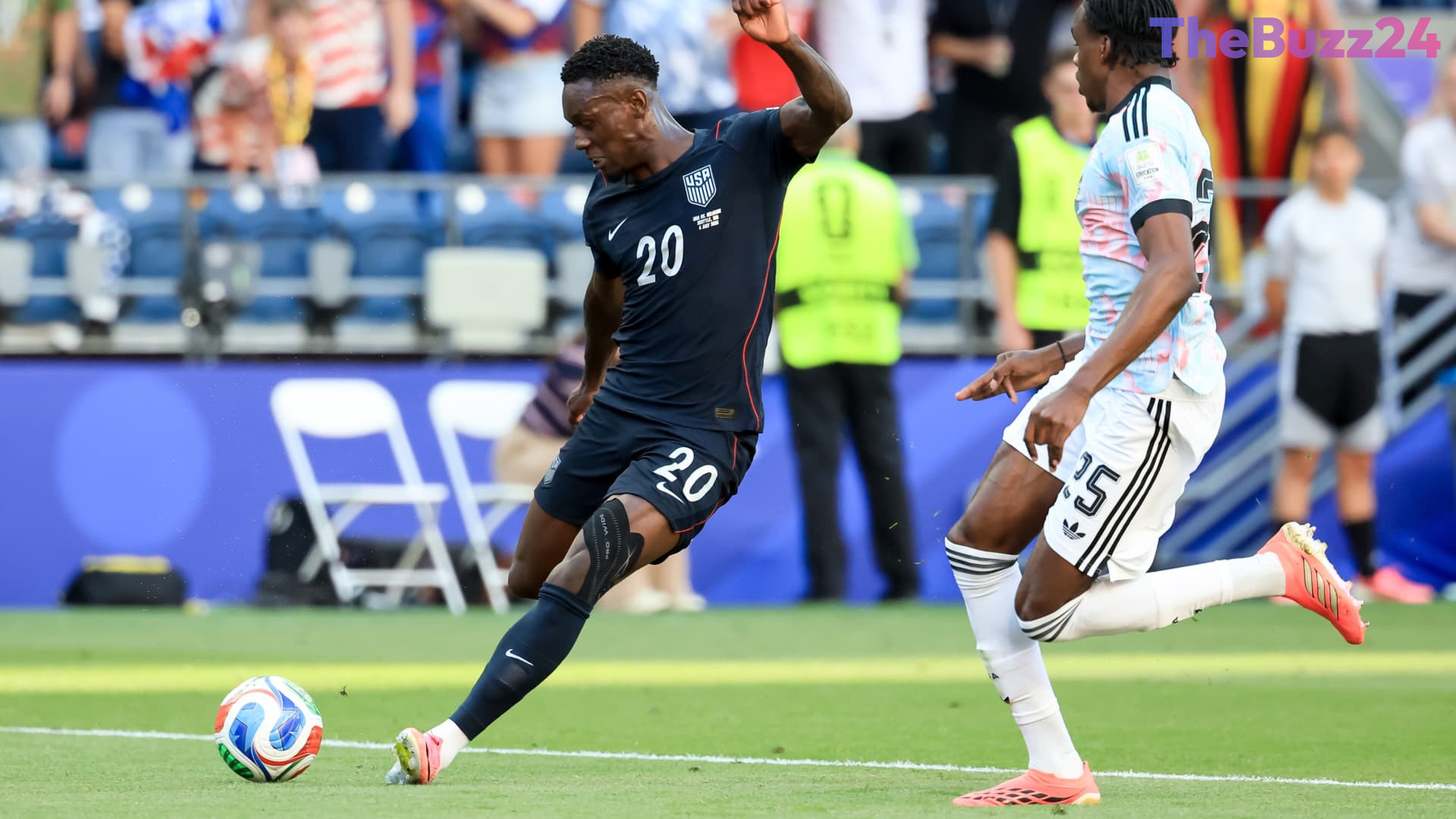
For companies like Netflix, Disney, and YouTube, securing the World Cup rights represents a monumental opportunity to bolster their streaming services and attract vast new subscriber bases. Disney, for instance, could leverage its established broadcast networks ESPN and ABC to complement its streaming offerings. Despite the 2030 tournament in Morocco, Portugal, and Spain, and the 2034 event in Saudi Arabia, presenting less favorable time zones for U.S. viewers compared to the upcoming 2026 World Cup in North America, the immense viewership figures from recent matches underscore the event’s enduring appeal. Recent U.S. games have shattered records, with one match drawing over 26 million English-language viewers and an additional 9.8 million on Telemundo or Peacock, demonstrating the World Cup’s unparalleled ability to captivate American audiences.
Key Takeaways
- Netflix, Disney, and YouTube are among the major media companies interested in acquiring U.S. broadcast rights for the 2030 and 2034 FIFA World Cups, with bids potentially reaching $1.5 billion to $2 billion per tournament.
- FIFA plans to sell English- and Spanish-language U.S. rights as a single package, a strategic shift from previous tournaments expected to significantly increase the overall price and streamline broadcasting.
- Despite less favorable time zones for future tournaments, the immense U.S. viewership for recent World Cup matches highlights the event's value as a powerful driver for streaming service subscriptions and advertising revenue.
Editor’s Analysis & Impact
This burgeoning bidding war for FIFA World Cup U.S. rights underscores the escalating value of premium live sports content in the streaming era. The anticipated multi-billion dollar price tag reflects a significant shift in the media landscape, where major tech and entertainment companies are aggressively investing in exclusive content to drive subscriber growth and retention. FIFA’s decision to bundle English- and Spanish-language rights will likely consolidate the market, favoring larger players capable of affording the comprehensive package and potentially reshaping the competitive dynamics among broadcasters. For consumers, this could lead to more exclusive content behind paywalls, influencing subscription choices. The outcome will set a new benchmark for sports media rights globally and highlights the World Cup’s enduring power as a global spectacle and a lucrative advertising platform.
Frequently Asked Questions
Q: Which companies are reportedly interested in the FIFA World Cup U.S. broadcast rights?
A: Netflix, Disney (including ESPN and ABC), and Alphabet's YouTube are among the primary companies showing interest. Amazon and Apple are also potential bidders.
Q: How much are the U.S. broadcast rights for the 2030 and 2034 FIFA World Cups expected to cost?
A: Media executives are budgeting between $1.5 billion and $2 billion for the U.S. rights to each tournament.
Q: What is FIFA's new strategy for selling the U.S. broadcast rights?
A: FIFA plans to sell the English- and Spanish-language U.S. rights together as a single package, a change from previous tournaments where they were sold separately. This strategy is expected to drive up the overall price.
AI Disclosure: This article is based on verified data and official reports. Our Team and AI have cross-referenced every financial detail with primary sources to ensure total accuracy.
More from this Category