Market Bets Against Government Stake in OpenAI, Favors Quantum and Chip Firms
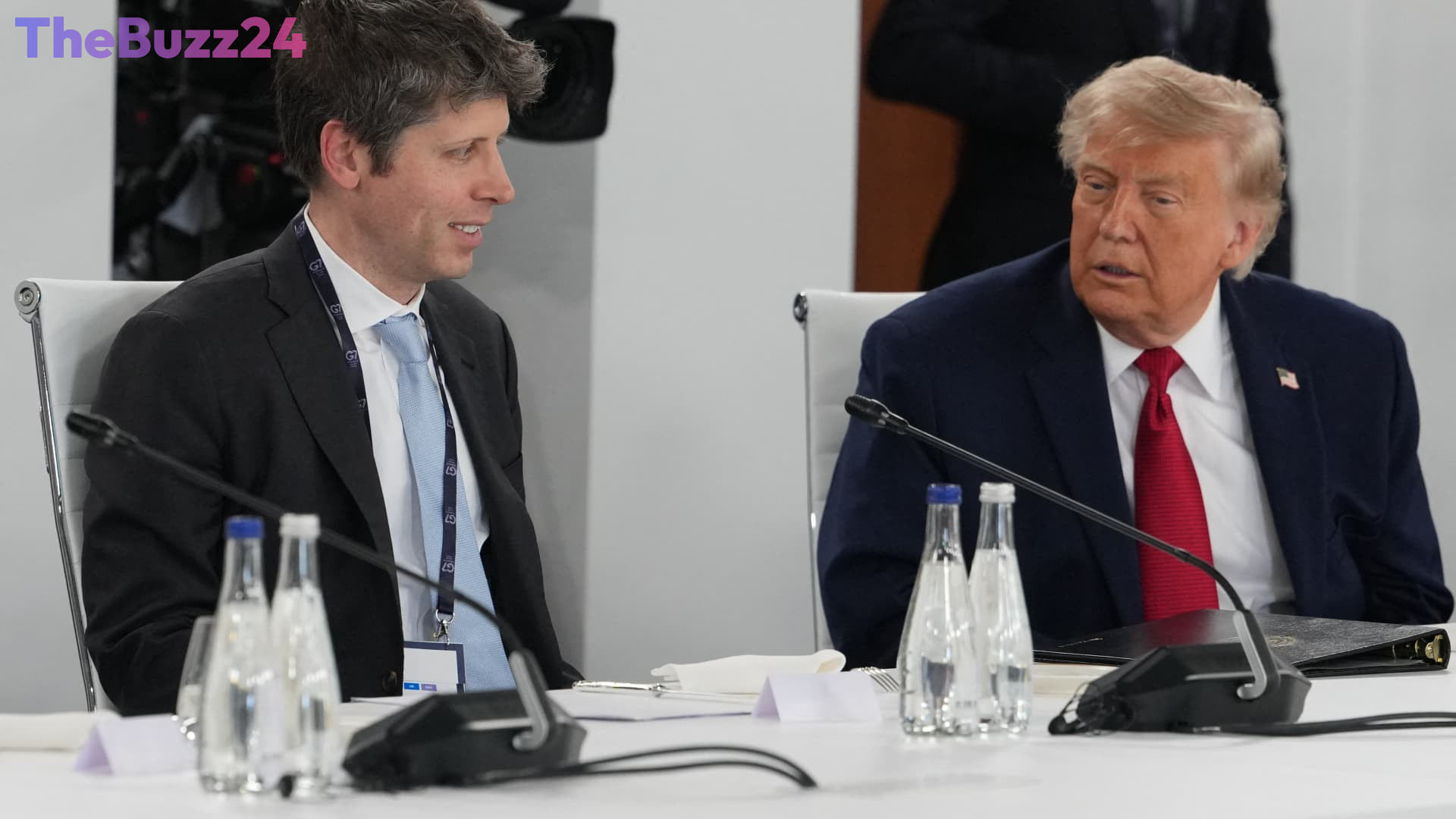
Traders on the Kalshi exchange are expressing significant skepticism regarding the likelihood of the U.S. government acquiring a stake in artificial intelligence leader OpenAI within the current year. This sentiment comes despite reports that OpenAI itself may have proposed such a deal to the previous administration.
Recent reports, including one from the Financial Times, suggested that OpenAI offered the U.S. government a potential 5% equity stake. However, market participants on Kalshi are placing the probability of any such government investment in OpenAI or fellow AI firm Anthropic at less than 30%. This outlook contrasts sharply with the government’s past actions, such as taking a 10% stake in Intel last summer to resolve a business challenge, a move previously highlighted by former President Donald Trump.
In contrast to the low odds for AI companies, Kalshi traders are showing considerably more confidence in the government taking stakes in other technology sectors. The odds are reportedly over 60% for investments in quantum computing companies like Rigetti Computing and D-Wave Quantum, as well as semiconductor manufacturer GlobalFoundries. These expectations align with recent government initiatives, including the Commerce Department’s announcement of $2 billion in grants for quantum computing firms, with the National Institute of Standards and Technology indicating plans for minority, non-controlling stakes in several of these companies.
Furthermore, the market is also pricing in potential government equity deals with private-sector drone manufacturers. Reports from The Wall Street Journal indicated that the Trump administration was exploring such partnerships, which could include equity stakes. Kalshi traders see a slightly over 50% chance for a government stake in Performance Drone Works and less than a 40% chance for Neros Technologies, reflecting a more optimistic, albeit cautious, view on potential government investments in these areas compared to major AI players.
Key Takeaways
- Kalshi traders assign less than a 30% probability for the U.S. government taking a stake in OpenAI or Anthropic this year.
- Market sentiment favors government equity stakes in quantum computing firms (Rigetti, D-Wave) and semiconductor manufacturers (GlobalFoundries) with odds exceeding 60%.
- Potential government equity deals with drone companies like Performance Drone Works and Neros Technologies are also being considered, with varying probabilities.
Editor’s Analysis & Impact
The market’s current assessment suggests a clear divergence in perceived government interest between established AI giants and emerging technology sectors. The low odds attributed to OpenAI and Anthropic reflect a potential hesitance or complexity in structuring such a unique investment, perhaps due to regulatory concerns or the nascent nature of AI’s direct economic impact. Conversely, the higher probabilities for quantum computing and semiconductor firms indicate a stronger alignment with current government industrial policy and national security interests. This trend highlights a strategic focus on foundational technologies deemed critical for future economic and defense capabilities, potentially sidelining more speculative or complex AI equity proposals for the time being.
Frequently Asked Questions
Q: What is Kalshi?
A: Kalshi is a regulated exchange where users can trade event contracts based on the outcome of future events, allowing them to bet on the likelihood of specific occurrences.
Q: Why might the government take a stake in a company?
A: Governments may take stakes in companies for various strategic reasons, including supporting key industries deemed vital for national security or economic growth, ensuring domestic production, or as part of a bailout or investment strategy to foster innovation and maintain competitiveness.
Q: What is the significance of a non-controlling stake?
A: A non-controlling stake means the government would own a portion of the company's shares but would not have enough voting power to dictate major decisions or control the company's overall direction. This allows for investment without direct management interference.
AI Disclosure: This article is based on verified data and official reports. Our Team and AI have cross-referenced every financial detail with primary sources to ensure total accuracy.
More from this Category