Florida’s ‘Stop WOKE’ Act Faces Federal Court Block on College Campuses
A federal appeals court has delivered a significant setback to Florida’s “Stop WOKE Act,” ruling that its restrictions on how professors teach about race and gender in public colleges and universities infringe upon First Amendment rights. The U.S. Court of Appeals for the 11th Circuit, in a 2-1 decision, has prevented the state from enforcing the higher-education provisions of the controversial 2022 law.
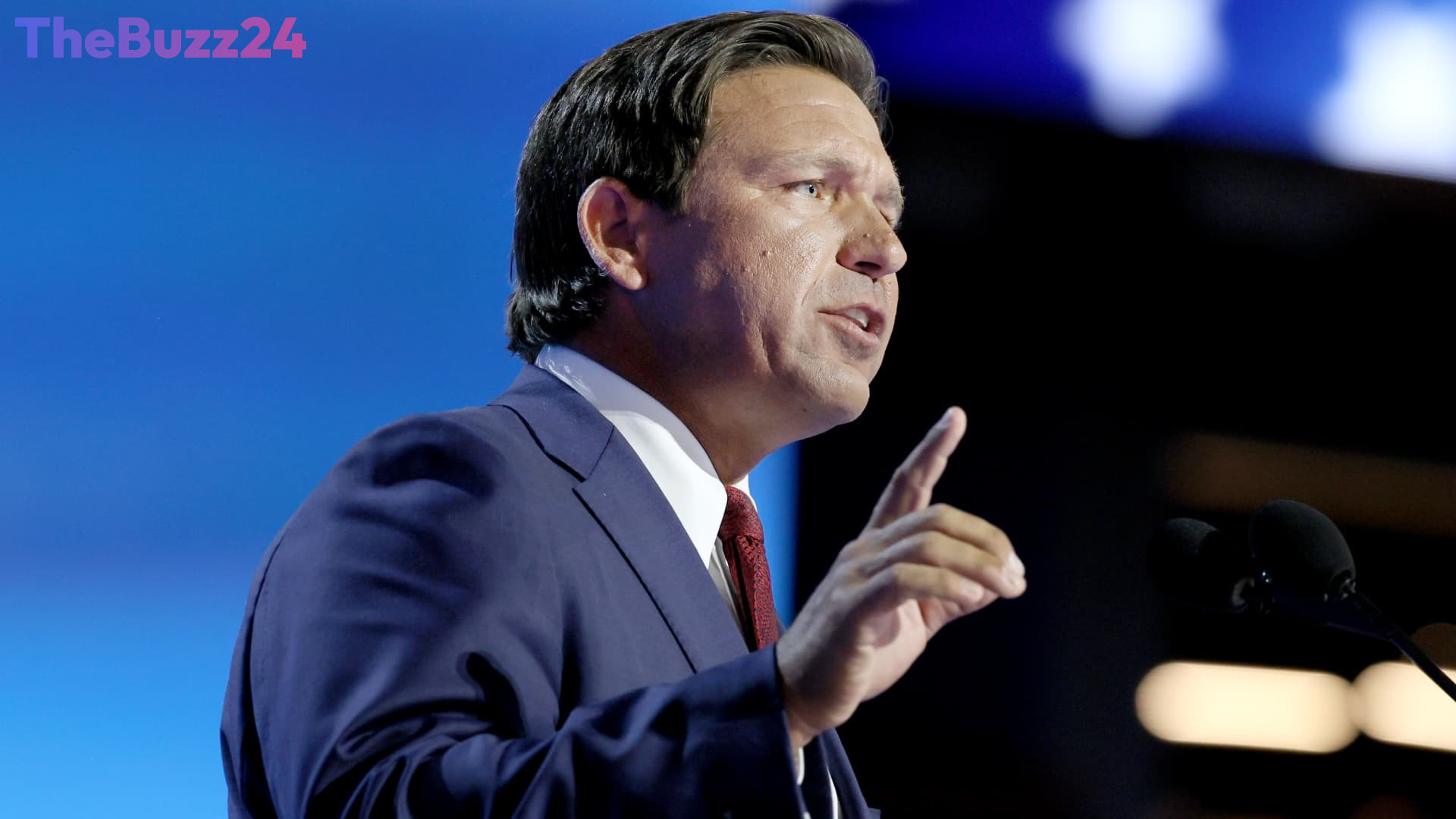
The “Stop WOKE Act,” championed by Governor Ron DeSantis, was designed to combat what he described as “woke” ideology, critical race theory, and certain diversity initiatives in educational institutions and workplaces. However, the court found that the law’s limitations on classroom instruction crossed a constitutional boundary.
Writing for the majority, Judge Britt Grant argued that Florida’s attempt to assert “total control” over professors’ speech in the classroom was an overreach. The court highlighted that the First Amendment provides protections for academic discourse, even when dealing with potentially contentious ideas. The ruling affirmed a preliminary injunction, meaning the law remains blocked for now, and the state is considering further legal action, including the possibility of appealing to the full 11th Circuit or petitioning the Supreme Court.
This decision marks another legal challenge for DeSantis’s broader agenda concerning education and race. The law, officially known as the Individual Freedom Act, prohibited instruction that promoted concepts such as inherent racism or sexism based on race or sex, or that suggested individuals should feel guilt or distress due to historical actions by members of their group. The court’s majority found such prohibitions to be an unconstitutional censorship of academic freedom.
Key Takeaways
- A federal appeals court has ruled that Florida's "Stop WOKE Act" violates the First Amendment in its application to public college instruction.
- The ruling prevents the state from enforcing provisions that restrict how professors teach about race and gender.
- Florida may appeal the decision to the full 11th Circuit or seek review from the Supreme Court.
Editor’s Analysis & Impact
This appellate court ruling represents a significant legal hurdle for Governor DeSantis’s signature “Stop WOKE Act,” particularly concerning its impact on higher education. The decision underscores the ongoing tension between state legislative efforts to shape curriculum and the constitutional protections afforded to academic freedom and free speech. The court’s interpretation suggests that while states have authority over public institutions, this authority is not absolute and must respect First Amendment boundaries, especially in the context of university-level discourse. The potential for further appeals to higher courts, including the Supreme Court, indicates this legal battle over educational content and ideological restrictions is far from over, with broader implications for academic freedom nationwide.
Frequently Asked Questions
Q: What is the "Stop WOKE Act"?
A: The "Stop WOKE Act," officially the Individual Freedom Act, is a Florida law championed by Governor Ron DeSantis. It aims to restrict how race, sex, and other concepts related to privilege and discrimination are taught in public schools and workplaces, targeting what proponents call "woke" ideology.
Q: Why did the appeals court block the law for colleges?
A: The federal appeals court ruled that the "Stop WOKE Act's" restrictions on higher education instruction violate the First Amendment's guarantee of free speech. The court found that the law gave the state too much control over what professors could discuss in their classrooms.
Q: What are the next steps for the "Stop WOKE Act"?
A: Florida can ask the full 11th Circuit Court of Appeals to reconsider the decision, or it can petition the U.S. Supreme Court to review the case. The law remains blocked from enforcement in public colleges and universities while these legal processes continue.
AI Disclosure: This article is based on verified data and official reports. Our Team and AI have cross-referenced every financial detail with primary sources to ensure total accuracy.
More from this Category