From Tension to ‘Love-In’: How Trump Dominated a Dramatic 48 Hours at the NATO Summit
The recent NATO summit in Ankara, Turkey, served as a stark demonstration of how rapidly the global geopolitical landscape can shift under the influence of US President Donald Trump. Over an intense 48-hour window, international leaders, global markets, and defense strategists found themselves navigating a whirlwind of diplomatic maneuvers. What began as a highly anticipated confrontation over defense spending and Middle Eastern policy quickly pivoted into an unexpected display of unity, leaving allies and adversaries alike scrambling to adjust to Washington’s transactional approach to diplomacy.
Prior to the closed-door sessions, the atmosphere was thick with friction. President Trump and US Defense Secretary Pete Hegseth arrived with sharp criticisms of European allies, targeting nations like Spain and Denmark for failing to meet defense spending targets. The tension escalated dramatically when Trump announced that the US was walking away from the Iran ceasefire agreement and memorandum of understanding. This sudden policy shift sent shockwaves through global financial markets, causing stock indexes to slide while oil prices surged in anticipation of renewed instability in the Middle East.
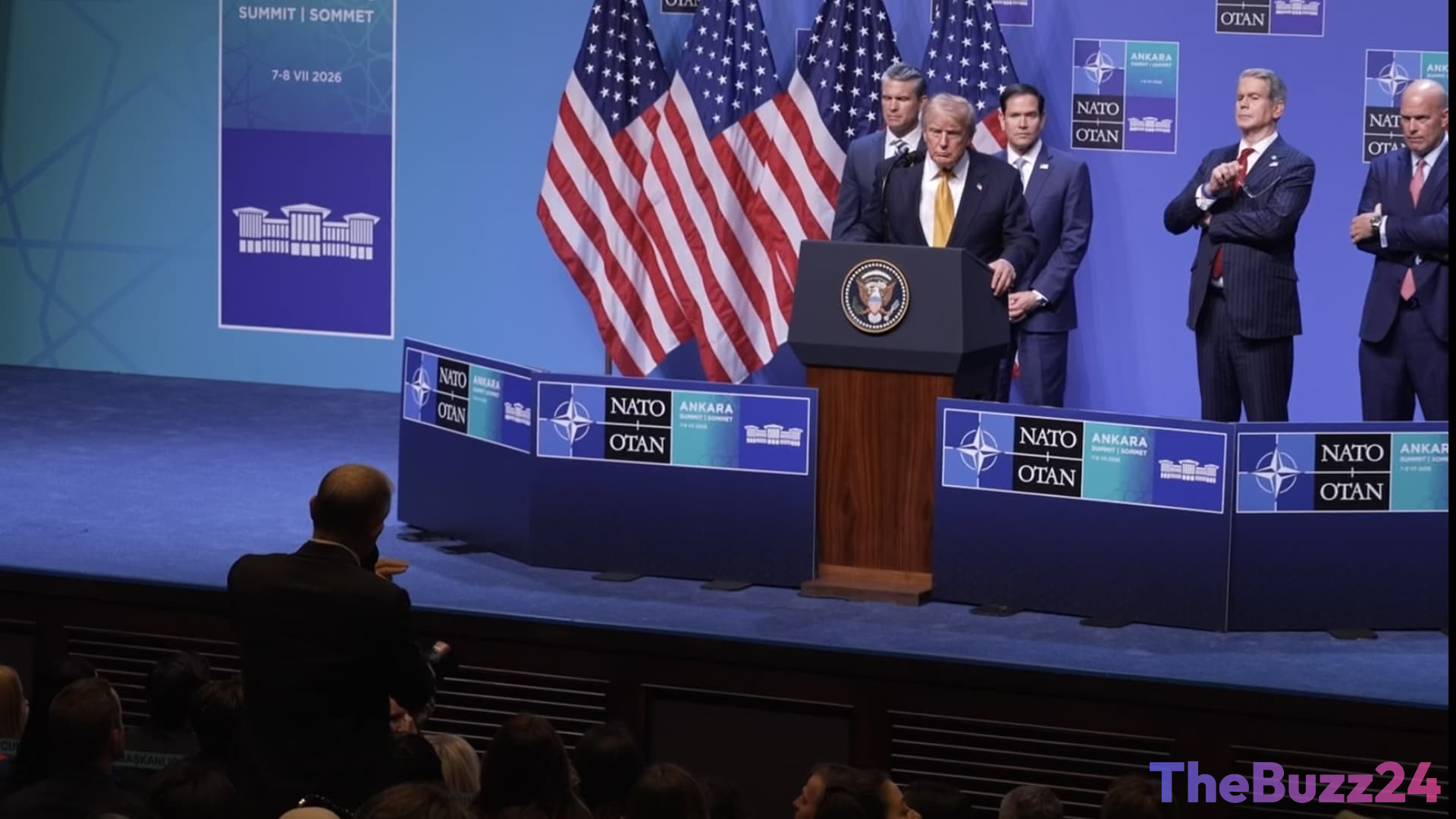
Despite the public posturing and market volatility, the narrative transformed completely behind closed doors. European leaders reported that private discussions with the US president were surprisingly constructive, noting that Trump listened closely to their concerns. This shift was later confirmed during a major press conference where Trump, flanked by key cabinet members including Secretary of State Marco Rubio and Treasury Secretary Scott Bessent, praised the “amazing unity” of the alliance and described the atmosphere as a “love-in.” This sudden reconciliation offered a temporary reprieve for NATO leadership, which had feared a permanent fracturing of the alliance.
While the summit concluded on a positive note, it produced distinct winners and losers. Turkish President Recep Tayyip Erdoğan leveraged his role as host to strengthen his geopolitical standing, moving closer to securing US approval for F-35 fighter jets. Ukrainian President Volodymyr Zelenskyy also emerged on stronger footing, seemingly bolstering his relationship with Trump and advancing discussions for domestic Patriot missile system production. Conversely, Russian President Vladimir Putin faced a unified NATO front, while the future of Western policy toward Iran remains highly volatile and unresolved.
Key Takeaways
- The NATO summit in Ankara experienced a dramatic shift from high-stakes diplomatic tension to unexpected unity behind closed doors.
- President Trump's decision to abandon the Iran ceasefire briefly destabilized global markets and sent oil prices higher.
- Key diplomatic winners included Ukraine's Volodymyr Zelenskyy, who bolstered his standing with Washington, and Turkey's Recep Tayyip Erdoğan, who advanced talks for F-35 fighter jets.
Editor’s Analysis & Impact
The Ankara summit underscores the highly personalized and volatile nature of modern US foreign policy under the Trump administration. By utilizing a strategy of public pressure followed by private reconciliation, the US administration successfully pushed NATO allies toward meeting defense spending targets while keeping them off-balance. For global markets, the sudden policy shifts—particularly regarding Iran—highlight the ongoing risk of geopolitical volatility dictating energy prices. While the immediate ‘love-in’ offers a temporary sigh of relief for European leaders, the underlying structural uncertainties regarding the Ukraine conflict and Middle Eastern stability remain unresolved. Moving forward, allies must adapt to a transactional diplomatic framework where long-term commitments are continuously renegotiated.
Frequently Asked Questions
Q: Why did markets react negatively during the NATO summit?
A: Global markets slid and oil prices surged after President Trump announced that the US was withdrawing from the Iran ceasefire agreement and memorandum of understanding, raising fears of renewed conflict.
Q: Who were the primary beneficiaries of the summit's outcomes?
A: Turkish President Erdoğan strengthened his position regarding F-35 acquisitions, and Ukrainian President Zelenskyy improved his standing with the US, potentially securing a deal to produce Patriot missile systems.
Q: What was the main criticism directed at NATO allies before the meeting?
A: The US administration criticized several NATO members, particularly Spain and Denmark, for failing to meet defense spending targets and for their lack of support regarding policy toward Iran.
AI Disclosure: This article is based on verified data and official reports. Our Team and AI have cross-referenced every financial detail with primary sources to ensure total accuracy.
More from this Category