Fed Chairman Taps AI Optimists for Key Economic Task Force
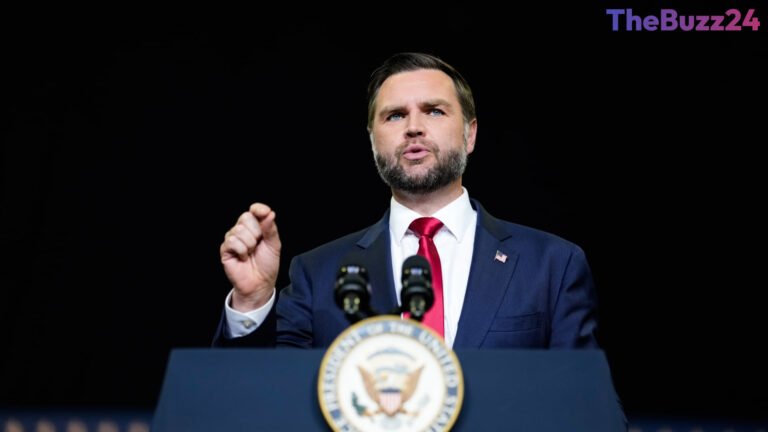
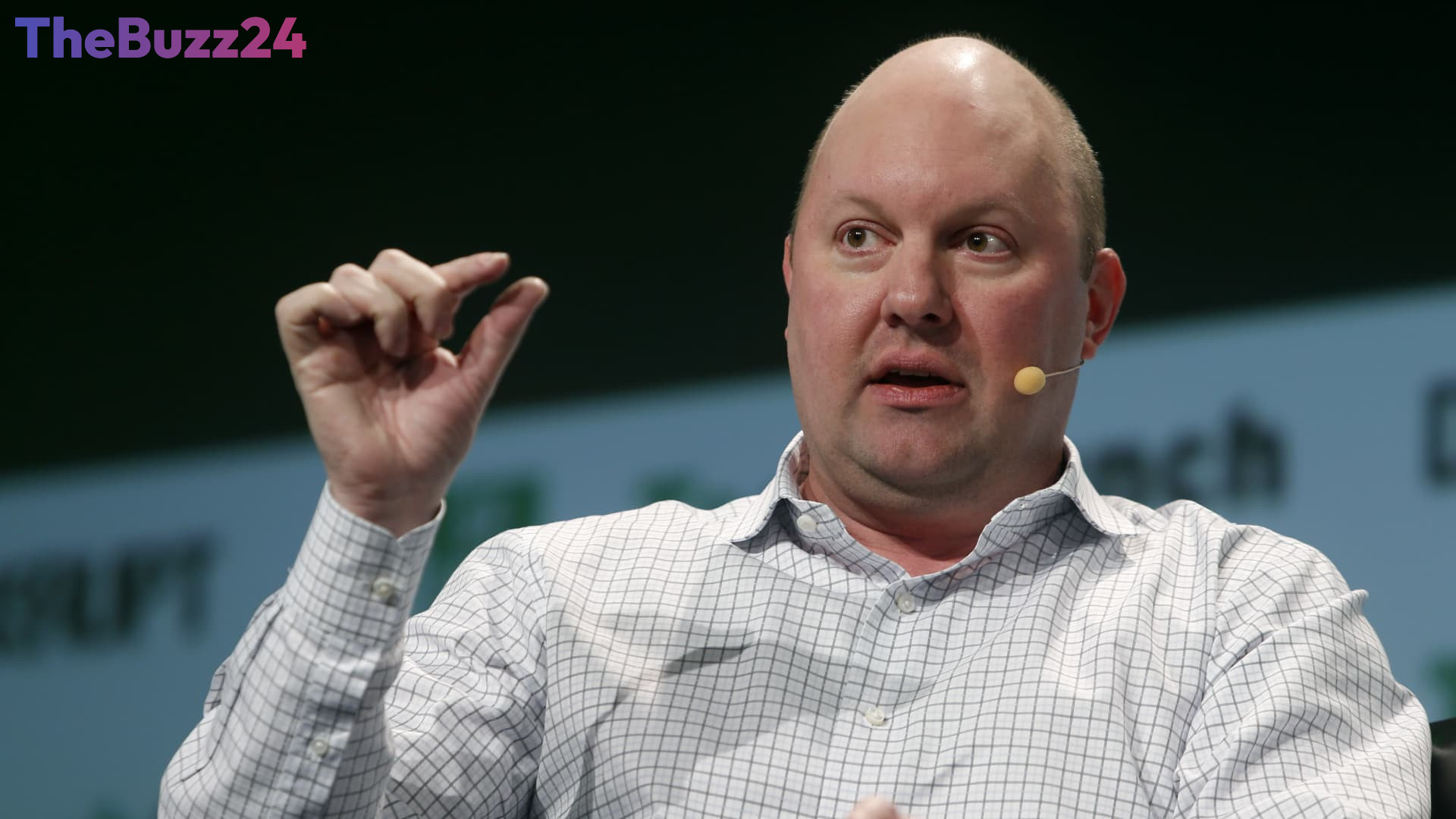
Federal Reserve Chairman Kevin Warsh has unveiled the leaders of five new task forces aimed at driving policy and institutional changes within the central bank. Notably, the artificial intelligence (AI) task force is comprised of prominent figures who share Warsh’s optimistic outlook on the technology’s economic potential. This includes venture capitalist Marc Andreessen, economist Charles I. Jones, and Xbox CEO Asha Sharma, all of whom have publicly expressed strong beliefs in AI’s capacity to revolutionize growth and productivity.
Warsh, a long-time advocate for AI’s transformative power, personally selected these external advisors. He views AI advancements as a potential catalyst for economic expansion without exacerbating inflation, even suggesting it could warrant interest rate cuts in the future. His conviction stems from his extensive network and personal understanding of technological innovation, particularly through his past involvement in venture capital and his long-standing relationship with Andreessen.
The AI task force’s mandate is to “assess the economic impact of new general-purpose technologies, including artificial intelligence, to inform the Federal Reserve’s policy judgments.” Andreessen, a pioneer of early web browsers and a vocal AI evangelist, likens AI’s creation to turning “sand into thought.” Economist Charles I. Jones, currently on leave from Stanford to join the Anthropic Institute, has theorized that AI could significantly accelerate U.S. economic growth, potentially exceeding 5% annually by automating numerous economic inefficiencies.
While Xbox CEO Asha Sharma, despite leading a business that has not prioritized AI’s front-end integration for consumer excitement, firmly believes in its potential. The inclusion of these influential figures signals Warsh’s intent to infuse the Fed with forward-thinking perspectives on AI. However, Warsh may face internal skepticism from the Federal Open Market Committee (FOMC), where recent discussions revealed a cautious stance on AI’s productivity gains, with concerns about the timing and magnitude of such impacts. New York Fed President John Williams has also voiced concerns about the immediate economic effects of the AI boom, citing price surges in electricity and semiconductors as a “demand shock” that could challenge supply-side adjustments.
Key Takeaways
- Federal Reserve Chairman Kevin Warsh has appointed AI optimists Marc Andreessen, Charles I. Jones, and Asha Sharma to lead a new AI task force.
- The task force aims to assess AI's economic impact and inform the Federal Reserve's policy decisions.
- While Warsh and his appointees are bullish on AI's growth potential, some Fed officials express caution regarding its immediate productivity and inflationary effects.
Editor’s Analysis & Impact
The formation of this AI-focused task force by the Federal Reserve signals a significant acknowledgment of artificial intelligence’s potential to reshape the economic landscape. Chairman Warsh’s deliberate selection of prominent technologists and economists known for their pro-AI stances suggests a proactive effort to integrate these forward-looking perspectives into monetary policy. This move could lead to a re-evaluation of traditional economic models and potentially influence future interest rate decisions. However, the inherent skepticism within parts of the FOMC highlights a critical tension between embracing disruptive innovation and managing immediate economic stability. The success of this initiative will depend on bridging this gap and translating optimistic projections into actionable policy insights, especially as AI’s demand-side effects begin to manifest in areas like energy and semiconductor markets.
Frequently Asked Questions
Q: What is the primary goal of the Federal Reserve's new AI task force?
A: The primary goal of the AI task force is to assess the economic impact of new general-purpose technologies, including artificial intelligence, and to use this assessment to inform the Federal Reserve's policy judgments.
Q: Who are the key members leading the AI task force?
A: The AI task force is led by three external advisors: venture capitalist Marc Andreessen, economist Charles I. Jones, and Xbox CEO Asha Sharma.
Q: What is Chairman Warsh's stance on AI and its economic impact?
A: Chairman Warsh is a strong proponent of AI, believing it to be a transformative technology with the potential to significantly boost economic growth and productivity, possibly without increasing inflation, and has even suggested it could be a reason for the Fed to cut interest rates.
AI Disclosure: This article is based on verified data and official reports. Our Team and AI have cross-referenced every financial detail with primary sources to ensure total accuracy.
More from this Category