Prediction Markets Split on Fed’s Next Move as Policymakers Debate Rate Hikes Amid Stubborn Inflation
The Federal Reserve’s latest policy meeting minutes have revealed a deep division among central bank officials regarding the future trajectory of interest rates. With policymakers split on whether to maintain, lower, or raise borrowing costs by the end of the year, market participants are facing heightened uncertainty. This internal debate has triggered a wave of speculation across financial markets as investors attempt to forecast the central bank’s next move.
In response to the Fed’s internal discord, prediction market traders on Kalshi have adjusted their expectations, currently pricing in a 54% probability of a rate hike occurring before the end of the year. This represents a slight decline from previous days but highlights a growing consensus that monetary easing is off the table. Furthermore, traders see a 62% chance of a rate hike before July 2027, with that probability climbing to nearly 80% by 2028. Conversely, the likelihood of any rate cuts this year has plummeted, with market data showing a 76% chance of zero cuts in 2026.
This hawkish shift in sentiment comes amid challenging economic conditions. The benchmark interest rate has remained steady at a range of 3.5% to 3.75% since December 2025. However, inflation continues to pose a significant challenge, with the personal consumption expenditures (PCE) price index—the Fed’s preferred inflation gauge—climbing to an annual rate of 4.1% in May. This mark represents the highest level since April 2023, complicating the central bank’s mission alongside rising geopolitical tensions in the Middle East.
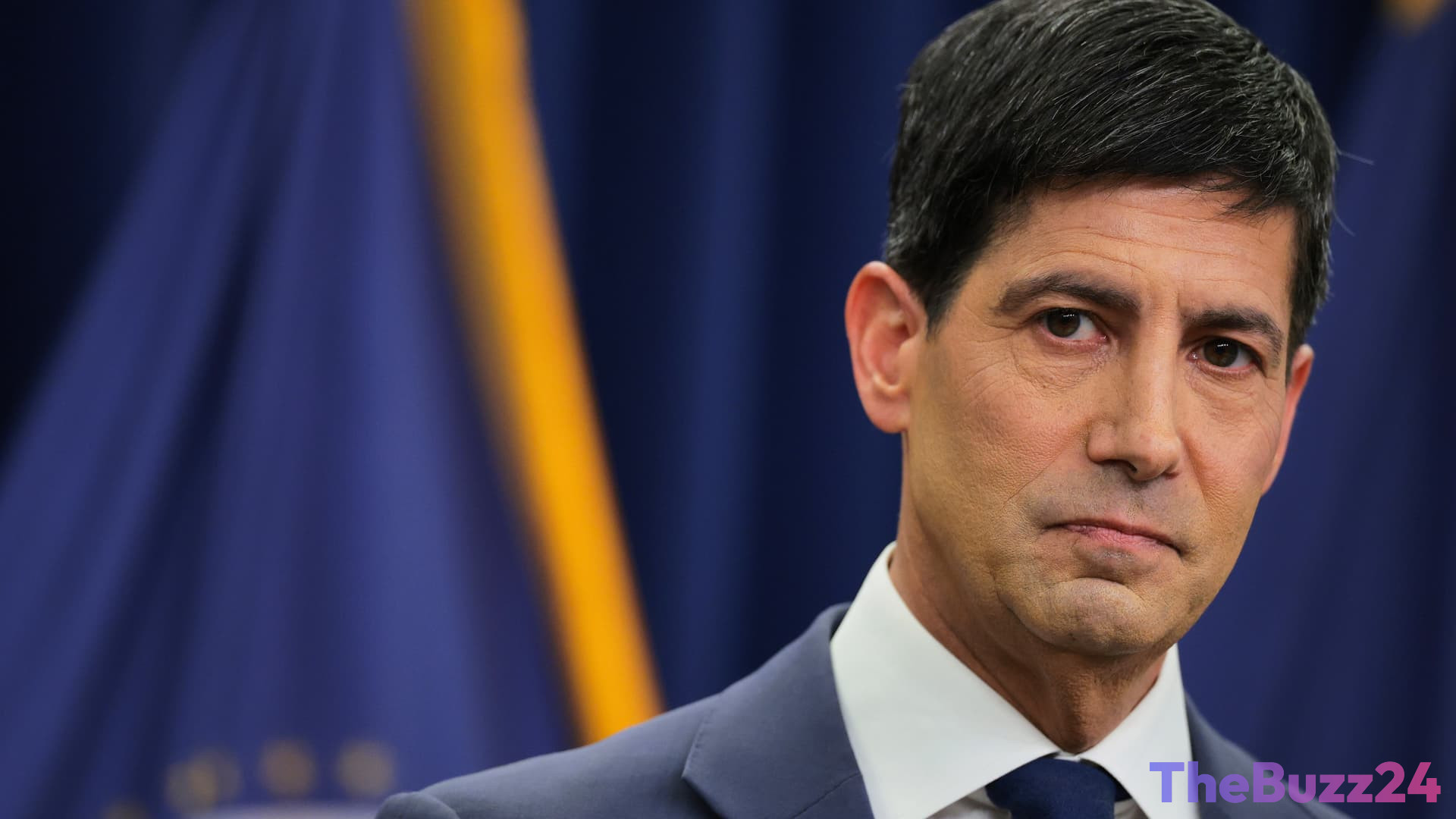
The shifting market outlook also coincides with a transition in leadership. Expectations for rate cuts dropped significantly around mid-June, aligning with the inaugural Federal Reserve meeting led by the new Chairman, Kevin Warsh. As the central bank navigates this transitional phase, the divide between officials who favor keeping rates steady and those advocating for further hikes suggests that monetary policy will remain highly data-dependent in the coming months.
Key Takeaways
- Federal Reserve officials are deeply divided on whether interest rates should be raised, lowered, or held steady for the remainder of the year.
- Prediction market data shows a 54% chance of a rate hike this year, while the probability of any rate cuts has dropped to just 24%.
- Persistent inflation remains a major hurdle, with the PCE price index hitting a multi-year high of 4.1% in May.
Editor’s Analysis & Impact
The deep division within the Federal Reserve, highlighted by the June minutes, underscores the immense challenge of navigating a sticky inflation environment. With the PCE index at 4.1%, well above the Fed’s 2% target, the central bank cannot easily pivot to rate cuts without risking a resurgence of price pressures. Under the new leadership of Chairman Kevin Warsh, the Fed appears to be adopting a more cautious, if not outright hawkish, stance. For financial markets, this prolonged uncertainty means higher volatility. Investors who had previously priced in monetary easing must now adjust to a ‘higher-for-longer’ reality, which could weigh on equity valuations and keep bond yields elevated. The growing reliance on prediction markets like Kalshi also highlights a shift in how market participants gauge policy shifts in real-time, bypassing traditional economic forecasting.
Frequently Asked Questions
Q: Why is the Federal Reserve divided on interest rates?
A: Policymakers are balancing the need to cool down persistent inflation, which reached 4.1% in May, against the risk of over-tightening the economy. Some officials believe current rates are sufficient, while others argue higher rates are necessary to bring inflation back to target.
Q: What do prediction markets currently say about rate cuts?
A: According to Kalshi trading data, there is a 76% probability that the Federal Reserve will not implement any interest rate cuts this year.
Q: What is the current benchmark interest rate?
A: The federal funds rate is currently holding in a target range of 3.5% to 3.75%, where it has remained since December 2025.
AI Disclosure: This article is based on verified data and official reports. Our Team and AI have cross-referenced every financial detail with primary sources to ensure total accuracy.
More from this Category