The Top 10 States Racing to Become the Backbone of the AI Revolution
As the artificial intelligence sector continues to command billions in investment, states across the U.S. are aggressively competing to host the massive infrastructure required to power this technological shift. While public opposition to large-scale data centers is rising due to concerns over resource consumption, the economic incentives of becoming an AI hub remain a powerful driver for state governments. The primary requirements for these facilities—abundant electricity, reliable water access, and shovel-ready land—have become the new benchmarks for economic development.
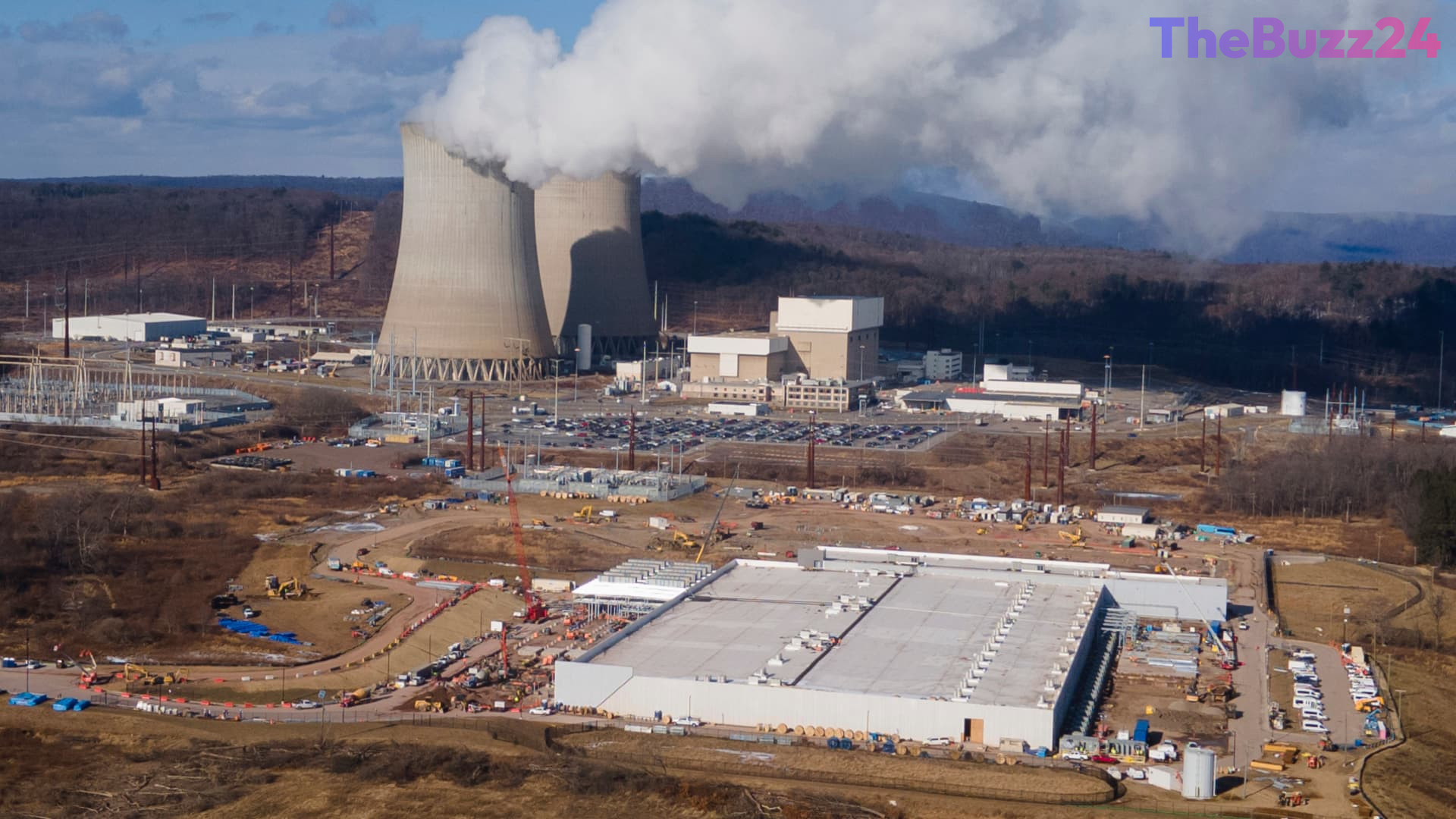
States like Ohio, Virginia, and Illinois currently lead the pack, leveraging robust power grids and strategic site-readiness programs to attract major tech players. Ohio, for instance, has secured its position by repurposing industrial sites for massive data center projects, including plans for significant nuclear and gas-fired power integration. Meanwhile, Virginia continues to dominate in terms of raw computing power capacity, despite facing local pushback regarding the density of its existing data center clusters. Other states, such as Tennessee, Michigan, and Arizona, are tailoring their energy and water policies to ensure they remain competitive in a landscape where AI demand is rapidly outpacing traditional infrastructure capabilities.
However, the path to becoming an AI powerhouse is not without friction. Several states are grappling with the delicate balance between fostering innovation and protecting local resources. In Illinois, for example, officials have implemented a temporary pause on new data center incentives to evaluate the impact on residential electricity rates. Similarly, Arizona is navigating significant water scarcity challenges while attempting to maintain its appeal to tech developers. As the industry matures, the states that succeed will be those that can successfully modernize their grids and water management systems while addressing the environmental and social concerns of their residents.
Key Takeaways
- States are prioritizing infrastructure metrics like power grid capacity, water availability, and shovel-ready land to attract multi-billion dollar AI data center investments.
- Ohio, Virginia, and Illinois currently lead the nation in infrastructure readiness for AI, though each faces unique challenges regarding energy costs and public sentiment.
- Rising public opposition and resource constraints are forcing states to re-evaluate tax incentives and sustainability policies to ensure long-term economic stability.
Editor’s Analysis & Impact
The race to host AI infrastructure represents a fundamental shift in state-level economic development strategies. Historically, states competed on tax rates and labor costs; today, the competition is defined by ‘megawatt availability’ and water security. The market impact is profound: we are seeing a decoupling of traditional industrial growth from AI-specific infrastructure, where the latter requires a level of grid reliability and power density that many regions are currently ill-equipped to provide. The future outlook suggests a period of intense ‘infrastructure diplomacy,’ where tech giants will increasingly partner with states to fund energy projects—such as small modular reactors or dedicated transmission lines—to bypass grid bottlenecks. However, the broader implication is a potential ‘infrastructure divide,’ where states with legacy energy advantages pull further ahead, while others risk grid instability if they fail to manage the massive load requirements of modern AI models.
Frequently Asked Questions
Q: Why is water access a critical factor for AI data centers?
A: AI data centers require massive amounts of water for cooling systems to prevent servers from overheating during high-intensity computing tasks.
Q: Are states slowing down their support for AI data centers due to public opposition?
A: Some states are beginning to exercise caution. For example, Illinois has paused new data center incentive agreements to ensure that the rapid growth of these facilities does not negatively impact electricity rates for local residents and businesses.
AI Disclosure: This article is based on verified data and official reports. Our Team and AI have cross-referenced every financial detail with primary sources to ensure total accuracy.
More from this Category