US Demands Public Pledge from Iran on Strait of Hormuz Safety Amid Talks
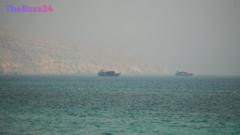
The United States is pressing Iran for a public commitment to cease attacks on commercial shipping and to affirm the open passage through the vital Strait of Hormuz. These demands are central to upcoming negotiations scheduled to take place in Oman this Saturday.
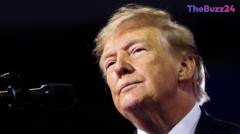
Sources indicate that Tehran has privately acknowledged to President Donald Trump’s advisors that recent aggressions against vessels were a misstep, attributing the actions to rogue elements within the Iranian system. Despite recent skirmishes in the Strait of Hormuz, which the White House views as a breach of an existing ceasefire, President Trump has stated that both parties have agreed to continue dialogue.
Iranian Foreign Minister Abbas Araqchi has asserted that his country has upheld its end of the ceasefire agreement, while simultaneously accusing the U.S. of violating the terms. This exchange highlights the delicate nature of the ongoing discussions, which aim to de-escalate tensions and ensure maritime security in a critical global waterway.
Senior U.S. officials have conveyed to Iran, through regional intermediaries, the necessity of a public declaration that the Strait of Hormuz remains accessible and that Iran will refrain from firing on commercial ships. The U.S. has made it clear that the outcome of the negotiations hinges on Iran’s willingness to provide such assurances. Concurrently, a Qatari delegation has also traveled to Iran in an effort to mediate and reduce tensions in the region.
Key Takeaways
- The U.S. is seeking a public pledge from Iran to stop attacking commercial ships and to ensure passage through the Strait of Hormuz.
- Upcoming negotiations in Oman will be crucial for de-escalating tensions and securing maritime safety.
- Iran has reportedly acknowledged recent attacks as a mistake internally but has also accused the U.S. of ceasefire violations.
Editor’s Analysis & Impact
This situation underscores the persistent geopolitical friction surrounding the Strait of Hormuz, a critical chokepoint for global oil and trade. The U.S. demand for a public pledge signals a desire for concrete de-escalation and a return to predictable maritime operations. Iran’s internal attribution of attacks to rogue elements, while potentially a negotiating tactic, also points to internal political dynamics that could complicate any agreement. The success of these talks will not only impact regional stability but also influence global energy markets and shipping insurance costs. A positive outcome could ease supply chain concerns, while continued conflict risks further disruption and economic repercussions.
Frequently Asked Questions
Q: What is the Strait of Hormuz?
A: The Strait of Hormuz is a strategically important strait connecting the Persian Gulf and the Gulf of Oman. It is a vital transit point for crude oil and other products, making it a critical waterway for global energy security.
Q: What is the significance of the ceasefire agreement mentioned?
A: The ceasefire agreement, reportedly signed in June, aimed to ensure safe passage for commercial ships through the Strait of Hormuz and to de-escalate conflict between the U.S. and Iran. The recent attacks are seen as a violation of this agreement.
Q: Who is involved in the upcoming negotiations?
A: The negotiations are expected to involve high-level U.S. officials, including Vice-President JD Vance, Secretary of State Marco Rubio, special envoy Steve Witkoff, and Jared Kushner. Iran's Foreign Minister Abbas Araqchi is also expected to attend. A Qatari delegation is also engaged in talks to ease tensions.
AI Disclosure: This article is based on verified data and official reports. Our Team and AI have cross-referenced every financial detail with primary sources to ensure total accuracy.
More from this Category