Subdermal GLP-1 Implant: A New Frontier in Long-Term Weight Management
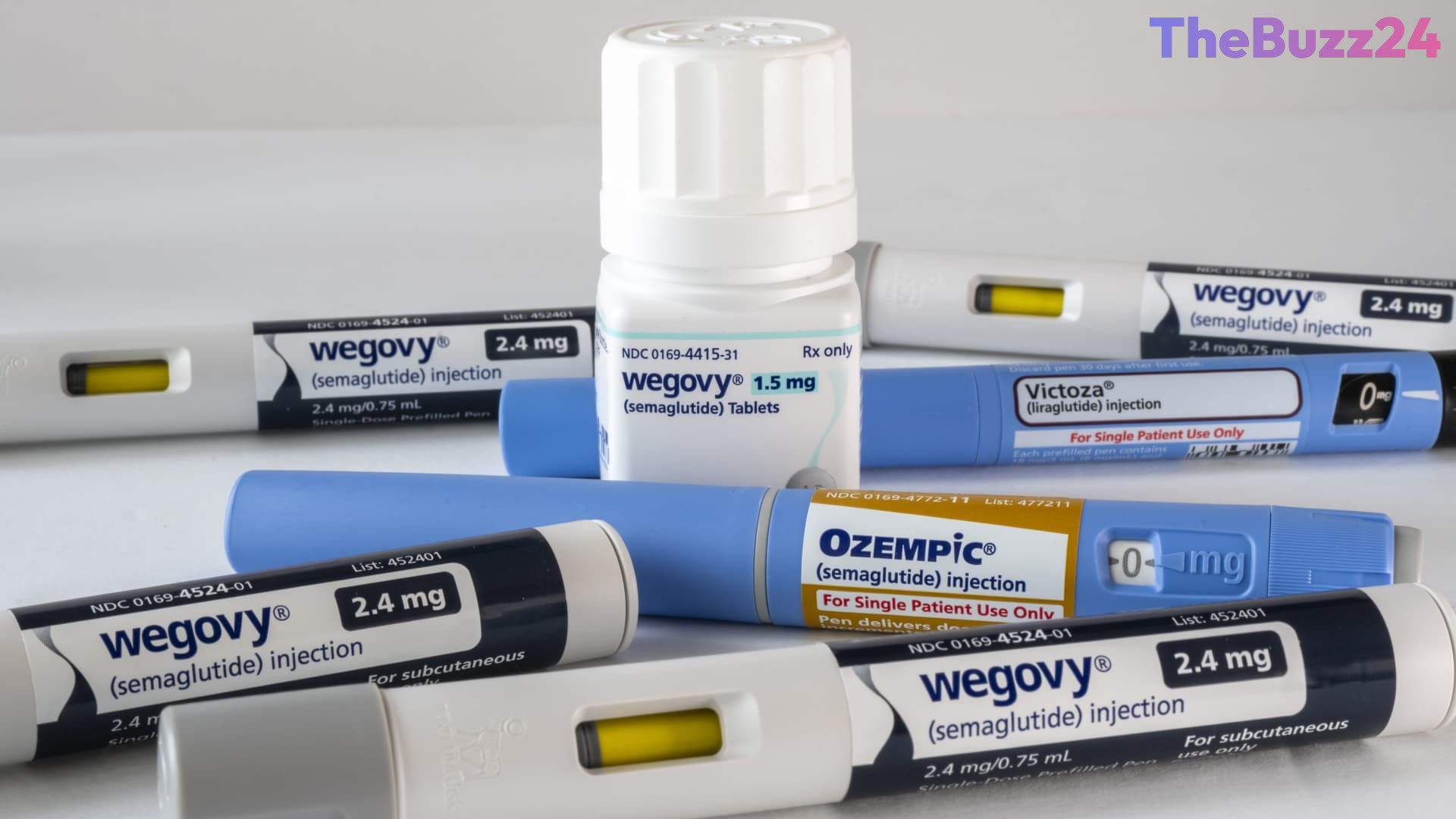
Vivani Medical is pioneering an innovative approach to address one of the most significant challenges in obesity treatment: the long-term maintenance of weight loss achieved with GLP-1 medications. The biotech firm is in the early stages of developing a tiny, experimental implant containing semaglutide, the active ingredient found in blockbuster drugs like Novo Nordisk’s Wegovy for obesity and Ozempic for diabetes.
This subdermal implant aims to overcome common hurdles that lead many patients to discontinue GLP-1 therapies, such as side effects, high out-of-pocket costs, the burden of frequent injections, and the social stigma associated with obesity treatment. Vivani envisions the implant primarily as a maintenance therapy, where patients would first achieve their target weight loss using existing semaglutide injections or pills, then transition to the implant for sustained, long-term management. The device is designed to be administered as infrequently as twice a year, or even annually, potentially enhancing patient adherence and reducing some of the side effects linked to fluctuating drug levels from periodic dosing. Novo Nordisk has confirmed an agreement with Vivani to evaluate this lead semaglutide implant, NPM-139.
The implant itself is a miniature titanium reservoir equipped with a specialized membrane containing millions of microscopic channels. These channels are engineered to release semaglutide into the body at a slow, consistent rate over several months, ensuring stable drug levels. The procedure for insertion is designed to be quick, taking only a few minutes in a doctor’s office under local anesthesia, similar to contraceptive implants like Nexplanon. While the current iteration would require removal and replacement every six months, Vivani’s ultimate goal is a version that lasts a full year.
Despite its promising potential, the implant faces a rigorous development pathway. It must successfully navigate multiple clinical trials and regulatory approvals before it can reach patients. Medical professionals have expressed a cautious optimism, emphasizing the need for robust human data on its efficacy, tolerability, and long-term safety compared to existing treatments. Questions also remain regarding provider adoption, the potential cost of the implant, and whether insurers will cover it, all of which will be critical factors in its eventual market success.
Key Takeaways
- Vivani Medical is developing a subdermal semaglutide implant (NPM-139) to address the critical issue of long-term weight loss maintenance for patients using GLP-1 medications.
- The implant aims to improve patient adherence by offering a less frequent administration schedule (potentially twice-yearly or annually) and a more consistent drug release, which could reduce common side effects and injection fatigue.
- Currently in early development, the device will undergo its first human clinical trial (SLIM-1) in Australia starting mid-2026, with significant clinical and regulatory hurdles remaining before potential market availability.
Editor’s Analysis & Impact
The GLP-1 market is experiencing explosive growth, yet patient adherence remains a significant challenge, often leading to weight regain. Vivani Medical’s subdermal implant represents a potentially transformative innovation in this space. By offering a long-acting, less burdensome administration method, it could dramatically improve patient compliance and, consequently, long-term health outcomes. If successful, this technology could capture a substantial share of the maintenance segment of the GLP-1 market, which analysts project to exceed $100 billion. Beyond obesity, this drug delivery platform could pave the way for similar sustained-release treatments for other chronic conditions, reducing the daily burden of medication. However, its success hinges on robust clinical trial data proving superior efficacy and tolerability, alongside favorable cost and insurance coverage, and widespread acceptance by both patients and healthcare providers.
Frequently Asked Questions
Q: What is the main purpose of Vivani Medical's GLP-1 implant?
A: The implant is designed to help patients maintain weight loss long-term after initial treatment with GLP-1 drugs like Wegovy or Ozempic, addressing issues like injection fatigue and treatment discontinuation.
Q: How does the semaglutide implant work?
A: The tiny titanium implant, inserted under the skin, contains semaglutide and features a specialized membrane that slowly and steadily releases the drug into the body over several months, aiming for consistent drug levels.
Q: When is the implant expected to be available to patients?
A: The implant is currently in early development. The first human clinical trial (Phase 1) is anticipated to start in mid-2026, meaning it is still several years away from potential regulatory approval and market availability.
AI Disclosure: This article is based on verified data and official reports. Our Team and AI have cross-referenced every financial detail with primary sources to ensure total accuracy.
More from this Category