South Carolina Scrambles to Fill Senate Seat After Graham’s Sudden Passing
The unexpected passing of Senator Lindsey Graham, a Republican representing South Carolina, has created an immediate vacancy in the U.S. Senate, setting the stage for what is anticipated to be a fiercely contested special election. Graham, who was seeking re-election and slated to face Democrat Annie Andrews in November, leaves behind a seat that political analysts had previously rated as a solid Republican hold.
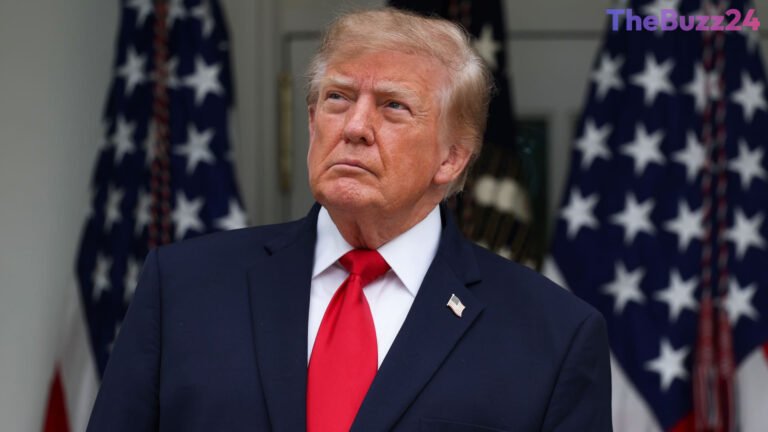
In the wake of this development, several prominent figures are already being considered as potential successors. Representative Nancy Mace, who has served South Carolina’s 1st congressional district since 2021, is reportedly giving strong consideration to a run, with polling expected to inform her decision. Meanwhile, former President Donald Trump, a significant influencer in Republican politics, has publicly lauded South Carolina Governor Henry McMaster, whose current term is nearing its end. Trump’s endorsement could prove pivotal in shaping the primary field.
Under South Carolina state law, a special primary election is scheduled for August 11 to determine the Republican nominee for the November general election, with the filing period commencing on July 21. Governor McMaster also holds the authority to appoint an interim candidate to serve until the special election is finalized. While initial reports suggested Representative Joe Wilson might be interested in an interim appointment and a full term, he later clarified his intent to remain in the House to support the Republican majority. Other potential candidates emerging include Representative William Timmons, Representative Ralph Norman, Lieutenant Governor Pamela Evette, and even Treasury Secretary Scott Bessent, a South Carolina native, indicating a potentially crowded and dynamic race.
Key Takeaways
- Senator Lindsey Graham's sudden death has created a significant vacancy in South Carolina's U.S. Senate seat.
- A special primary election is scheduled for August 11, with a general election in November, to determine his successor, alongside the Governor's power to make an interim appointment.
- Representative Nancy Mace and Governor Henry McMaster are prominent early contenders, with former President Donald Trump's praise for McMaster signaling his potential influence in the race.
Editor’s Analysis & Impact
The sudden vacancy of a U.S. Senate seat in a reliably Republican state like South Carolina immediately triggers a high-stakes political scramble. This event will test the internal dynamics of the state’s Republican party and the enduring influence of figures like former President Donald Trump, whose early endorsement of Governor McMaster could significantly shape the primary. The race is likely to attract national attention and substantial campaign funding, potentially impacting the broader balance of power in the Senate, especially given the current narrow majorities. The outcome will also serve as a barometer for the strength of various factions within the Republican party and the effectiveness of different campaign strategies in a post-Trump presidency era.
Frequently Asked Questions
Q: What is the process for filling a vacant Senate seat in South Carolina?
A: South Carolina law mandates a special primary election, followed by a general election, to fill a Senate vacancy. Additionally, the Governor has the authority to make an interim appointment to serve until the special election is concluded.
Q: Who are the main candidates being considered to replace Senator Graham?
A: Early names being floated include Representative Nancy Mace and Governor Henry McMaster, who has received public praise from former President Donald Trump. Other potential contenders include Representatives Joe Wilson, William Timmons, Ralph Norman, Lieutenant Governor Pamela Evette, and Treasury Secretary Scott Bessent.
Q: When is the special primary election scheduled?
A: The special primary election to determine the Republican nominee is set for August 11, with the filing period for candidates opening on July 21.
AI Disclosure: This article is based on verified data and official reports. Our Team and AI have cross-referenced every financial detail with primary sources to ensure total accuracy.
More from this Category