Global Maritime Body Rejects Trump’s Hormuz Transit Fee Demand
The International Maritime Organization (IMO), a United Nations agency, has officially stated its opposition to any mandatory transit fees for passage through the Strait of Hormuz. This stance comes in direct response to a recent demand by U.S. President Donald Trump, who proposed that ships pay a fee equivalent to 20% of their cargo value in exchange for U.S. Navy protection of the vital waterway.
The IMO spokesperson emphasized the organization’s consistent position, stating, “We have always been consistent on our stance on fees – IMO stands firmly against charging fees for passage through straits used for international navigation.” The agency further clarified that there is “no legal basis through which to introduce mandatory tolls simply to transit through a strait,” underscoring that such fees would contravene established international maritime law.
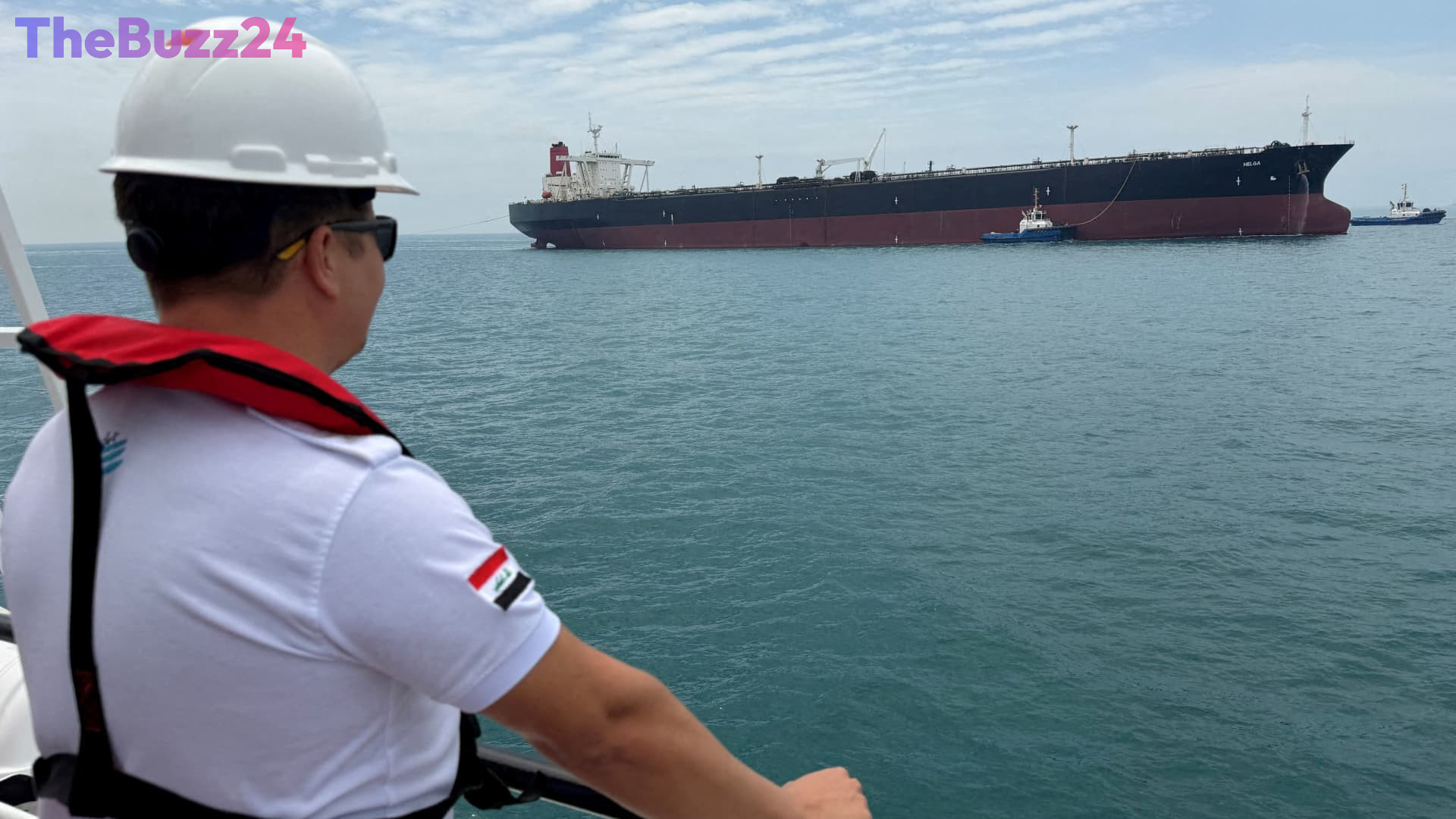
President Trump had asserted that the U.S. military would ensure the open passage of ships through the Strait of Hormuz, while simultaneously calling for financial reimbursement for this protective service. He also indicated a reinstatement of a blockade specifically targeting Iranian vessels and their customers. This move follows a period of heightened tensions, including attacks on commercial ships in the strait, which Iran has attributed to security concerns and has suggested ships reroute through its territorial waters. The U.S. Navy has been facilitating passage through an alternative southern corridor.
Experts in international maritime law concur with the IMO’s position. James Kraska, an expert at the U.S. Naval War College, noted that tolls for transiting Hormuz are contrary to international law, which guarantees an unimpeded right of passage. He further stated that Iran cannot unilaterally alter traffic routes through the strait, as it is bound by international conventions to adhere to the established traffic separation scheme.
Key Takeaways
- The International Maritime Organization opposes mandatory transit fees in the Strait of Hormuz.
- President Trump demanded a 20% cargo fee for U.S. protection of the strait.
- International maritime law experts and the IMO state there is no legal basis for such tolls.
Editor’s Analysis & Impact
The clash between President Trump’s demand for transit fees and the IMO’s firm stance highlights a significant geopolitical and economic tension surrounding the Strait of Hormuz. The strait’s critical role in global oil transport makes any disruption or imposition of fees a major concern for international trade. The IMO’s rejection, backed by legal principles, suggests that unilateral demands for payment in exchange for security may face considerable international resistance. This situation could lead to further diplomatic friction and potentially impact shipping insurance rates and the cost of goods, affecting global markets and countries reliant on this vital trade route.
Frequently Asked Questions
Q: What is the Strait of Hormuz?
A: The Strait of Hormuz is a vital chokepoint for international shipping, connecting the Persian Gulf to the Gulf of Oman and the open sea. It is a crucial transit route for oil and gas shipments from the Middle East.
Q: Why is the Strait of Hormuz important?
A: A significant portion of the world's oil supply passes through the Strait of Hormuz daily. Its strategic location makes it essential for global energy security and international trade.
Q: What is the IMO's role?
A: The International Maritime Organization (IMO) is a specialized agency of the United Nations responsible for regulating shipping. It addresses issues such as safety, security, and environmental concerns in maritime transport.
AI Disclosure: This article is based on verified data and official reports. Our Team and AI have cross-referenced every financial detail with primary sources to ensure total accuracy.
More from this Category