Trump Administration Pushes Banks to Tighten Lending Standards for Undocumented Immigrants
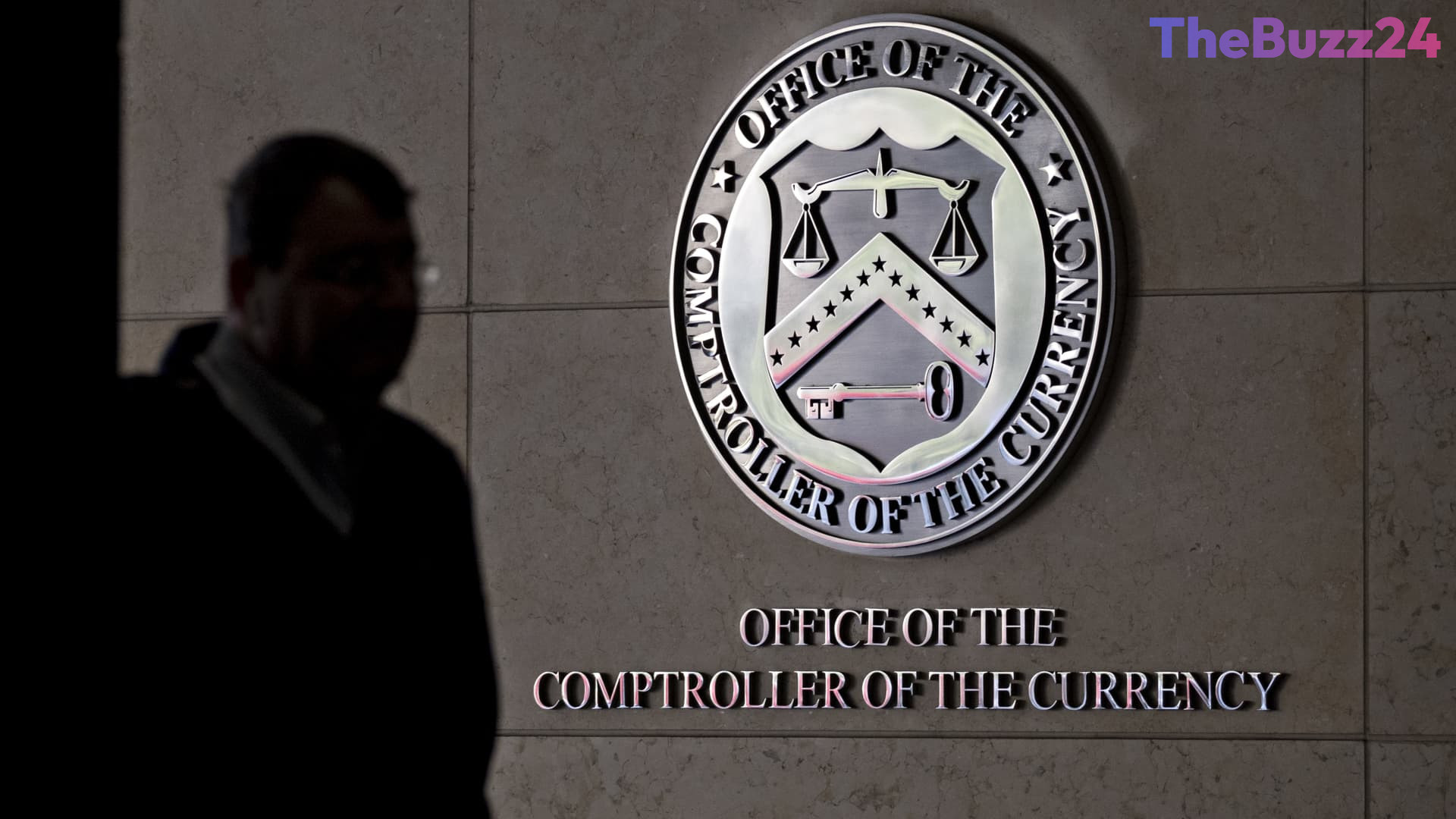
The Trump administration has issued federal guidance urging financial institutions to closely scrutinize lending to immigrants who lack legal work authorization in the United States. The joint advisory, issued by the Office of the Comptroller of the Currency (OCC), the Federal Deposit Insurance Corporation (FDIC), and the National Credit Union Administration (NCUA), highlights potential “elevated credit risks” associated with borrowers who do not have official work permits. Regulators warned that these individuals face greater financial instability and employment uncertainty, which could directly impact their ability to repay debts.
While the newly released guidance does not establish formal new regulations, it serves as a firm reminder to banks and credit unions of their ongoing obligations to evaluate a borrower’s capacity and willingness to repay loans. This applies to various consumer credit products, including mortgages, auto loans, and credit cards. Jonathan Gould, the Comptroller of the Currency, emphasized that financial institutions have a long-standing, pre-existing duty to thoroughly understand their customer base and manage associated risks.
This regulatory push stems from an executive order signed by President Donald Trump in May, which directed federal agencies to curb the use of the U.S. financial system by unauthorized immigrants. Legal experts note that while the directive pressures lenders to treat immigration status and work authorization as critical risk factors, it stops short of legally requiring banks to verify the immigration status of every single customer. Instead, it advocates for a targeted, risk-based supervisory framework.
Industry critics and advocacy groups have raised concerns that the guidance could have a chilling effect on immigrant communities, potentially discouraging even authorized immigrants from utilizing traditional banking services. There are also fears that increased compliance costs could burden financial institutions, potentially driving undocumented individuals toward unregulated, predatory financial markets where the risk of fraud is significantly higher. Currently, data on loans to undocumented immigrants remains limited, though research indicates a small fraction of mortgages—roughly 5,000 to 6,000 annually—are secured using Individual Tax Identification Numbers (ITINs) rather than Social Security numbers.
Key Takeaways
- Federal regulators (OCC, FDIC, NCUA) issued guidance urging banks to scrutinize loans to immigrants lacking U.S. work authorization due to 'elevated credit risk.'
- The guidance does not implement new laws but reinforces existing risk-management and 'know your customer' obligations for mortgages, auto loans, and credit cards.
- Critics warn the move could increase compliance costs, deter legal immigrants from using banks, and push undocumented individuals toward unregulated financial systems.
Editor’s Analysis & Impact
The Trump administration’s latest guidance represents a strategic shift, leveraging the highly regulated financial sector to enforce broader immigration policy objectives. By framing immigration status as a material credit risk, regulators are effectively shifting the burden of scrutiny onto private financial institutions. For banks, this creates a delicate balancing act: they must tighten risk-assessment protocols to satisfy federal oversight without running afoul of fair lending laws or alienating legitimate consumer segments. In the long term, this policy could inadvertently shrink the formal banking footprint in immigrant-heavy regions. As undocumented borrowers are squeezed out of mainstream credit, demand will likely surge for alternative, non-traditional financial services. This migration to the shadow banking sector not only increases systemic vulnerability to predatory lending but also reduces overall transparency in the consumer credit market.
Frequently Asked Questions
Q: Does this new guidance create new legal requirements for banks?
A: No, the guidance does not establish new laws. Instead, it serves as a reminder for financial institutions to apply existing risk-management standards and assess the repayment capacity of borrowers who lack work authorization.
Q: What types of loans are affected by this federal guidance?
A: The guidance covers a wide range of consumer credit products, including home mortgages, automotive loans, credit cards, and other personal lines of credit.
Q: How do undocumented immigrants currently obtain mortgages?
A: While most traditional mortgages require a Social Security number, some financial institutions allow borrowers to secure loans using an Individual Tax Identification Number (ITIN), which is commonly used by foreign nationals and undocumented immigrants to pay taxes.
AI Disclosure: This article is based on verified data and official reports. Our Team and AI have cross-referenced every financial detail with primary sources to ensure total accuracy.
More from this Category