Fed Rate Hike Odds Surge as Geopolitical Tensions and Oil Prices Flare Up
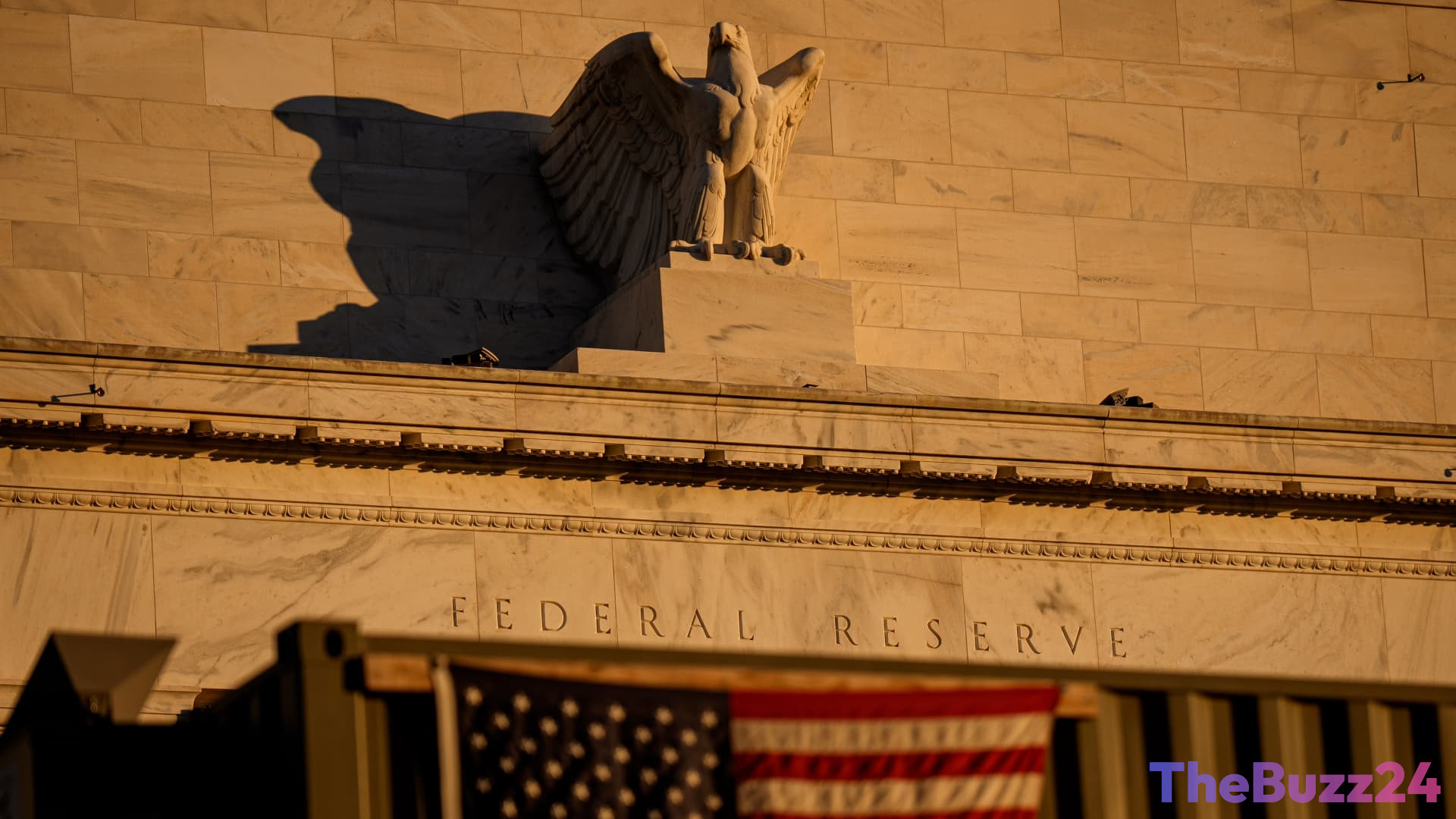
The Federal Reserve’s upcoming policy meeting on July 29 is shaping up to be a much closer call than previously anticipated. While market participants initially expected the central bank to hold interest rates steady, the probability of a 25-basis-point rate hike has surged. Data from the CME FedWatch tool indicates the likelihood of an increase has jumped to 46.5%, up from 34% just a day prior. Similarly, prediction markets on Kalshi now reflect a 36% chance of a hike, a significant leap from the single-digit odds seen earlier this month.
This sudden shift in sentiment is largely driven by escalating geopolitical tensions in the Middle East and their immediate impact on energy markets. Following the announcement of a U.S. blockade on Iranian ports near the Strait of Hormuz, alongside a 20% toll on cargo passing through the critical waterway, U.S. crude oil prices surged over 5%, crossing the $75-per-barrel threshold. This spike has reignited fears of persistent inflation, complicating the Fed’s path even as upcoming Consumer Price Index (CPI) data is projected to show a year-over-year cooling to 3.8% in June, down from 4.2% in May.
Adding to the hawkish momentum, Federal Reserve Governor Christopher Waller recently cautioned against repeating the policy missteps of 2021 and 2022, when the central bank was criticized for delaying rate hikes as inflation began to climb. While Waller noted the Fed must avoid overcorrecting, his comments underscored a growing wariness within the central bank. Furthermore, financial analysts warn that inflationary pressures are expanding beyond energy. Factors such as the ongoing pass-through of the oil shock, resilient consumer demand, and emerging AI-driven price increases are threatening to keep inflation sticky, potentially forcing the Fed into a more aggressive stance.
Key Takeaways
- The probability of a July Fed rate hike has risen sharply, with CME FedWatch placing the odds at 46.5%.
- Rising oil prices, sparked by U.S. sanctions and a blockade near the Strait of Hormuz, have renewed inflation fears.
- Fed Governor Christopher Waller warned against repeating past mistakes of waiting too long to raise interest rates.
Editor’s Analysis & Impact
The sudden escalation in geopolitical tensions near the Strait of Hormuz has introduced a volatile variable into the Federal Reserve’s monetary policy calculus. While supply-side shocks like rising oil prices are traditionally viewed as transitory, the broader economic landscape suggests these costs are quickly being absorbed into the wider economy. With analysts pointing to persistent demand and emerging inflationary pressures from sectors like artificial intelligence, the Fed faces a delicate balancing act. If the central bank chooses to hike rates in July, it risks choking off economic growth prematurely. However, pausing could allow inflation to entrench itself further, echoing the policy errors of 2021. Investors should brace for heightened market volatility as the July 29 decision approaches, with energy stocks and bond yields likely to experience significant fluctuations in the interim.
Frequently Asked Questions
Q: Why are the odds of a July rate hike suddenly increasing?
A: The odds are rising primarily due to a sharp increase in oil prices, which jumped over 5% following U.S. blockade announcements near the Strait of Hormuz. This geopolitical tension has renewed fears of sticky inflation.
Q: What did Fed Governor Christopher Waller say about interest rates?
A: Governor Waller emphasized that the Federal Reserve must avoid repeating the mistakes of 2021 and 2022, when it waited too long to raise rates in the face of rising inflation, though he also cautioned against overcorrecting too quickly.
Q: When will the Federal Reserve make its next interest rate decision?
A: The Federal Reserve is scheduled to announce its next interest rate decision on July 29.
AI Disclosure: This article is based on verified data and official reports. Our Team and AI have cross-referenced every financial detail with primary sources to ensure total accuracy.
More from this Category