Federal Judge Voids Controversial $1.8 Billion IRS Settlement Involving Donald Trump
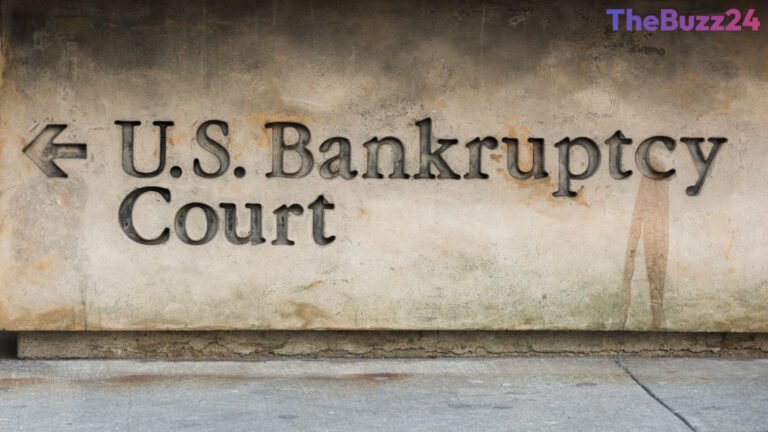
A federal judge has officially voided a legal settlement between Donald Trump and the Internal Revenue Service (IRS) that had previously granted the former president immunity from tax audits. The agreement, which also established a $1.8 billion fund intended to compensate individuals claiming government targeting, was struck down by US District Judge Kathleen Williams, who characterized the original lawsuit as an improper use of the judicial system.
The ruling highlights a significant conflict of interest, noting that the lawsuit was filed by Trump, his sons, and the Trump Organization while he held the presidency. Judge Williams described the legal action as a collusive effort rather than a genuine dispute, pointing out that the government officials negotiating the settlement were closely tied to the President’s own legal team. The court concluded that the settlement was a strategic attempt to confer immunity upon presidential affiliates and misappropriate taxpayer funds for undefined grievances.
Beyond nullifying the agreement, the court has taken disciplinary action against legal counsel involved in the case. One attorney has been referred to the Florida bar for potential ethics violations, while another faces a one-year suspension from practicing in the Southern District of Florida. The decision effectively clears the path for the IRS to resume audits of Trump’s tax claims, as the ruling prohibits the parties from citing the voided settlement in future legal proceedings.
The controversial “anti-weaponization” fund, which was intended to compensate those claiming political retribution, had already been abandoned in June following widespread bipartisan criticism. Critics had warned that the fund could have been used to compensate individuals involved in the January 6 Capitol riot, raising significant concerns regarding the integrity of the tax system and the potential for executive overreach.
Key Takeaways
- A federal judge voided a $1.8 billion IRS settlement that granted Donald Trump immunity from tax audits.
- The court ruled the original lawsuit was collusive and lacked genuine legal adverseness between the parties.
- Legal counsel involved in the settlement face disciplinary action, and the IRS is now permitted to resume audits of the Trump Organization.
Editor’s Analysis & Impact
The invalidation of this settlement represents a critical victory for the independence of federal tax administration. By exposing the attempt to use the Department of Justice to secure personal immunity and create a slush fund, the court has reinforced the principle that the executive branch cannot bypass established tax law through self-serving litigation. The broader implication is a heightened scrutiny of the intersection between presidential power and the IRS. Moving forward, this ruling will likely serve as a precedent in debates regarding executive privilege and the limits of presidential authority in legal disputes. It also signals a potential shift in how courts handle ‘sweetheart deals’ involving high-ranking officials, likely prompting legislative efforts to codify protections against similar future attempts at political interference in tax enforcement.
Frequently Asked Questions
Q: Why was the $1.8 billion fund created?
A: The fund was ostensibly created to compensate individuals who claimed they were unfairly targeted by government agencies, though critics argued it was a mechanism to provide payouts to political allies.
Q: What does the judge's ruling mean for future tax audits?
A: The ruling prevents Trump and his associates from using the voided settlement as a defense, effectively allowing the IRS to proceed with audits of his tax claims without the previous immunity protections.
AI Disclosure: This article is based on verified data and official reports. Our Team and AI have cross-referenced every financial detail with primary sources to ensure total accuracy.
More from this Category