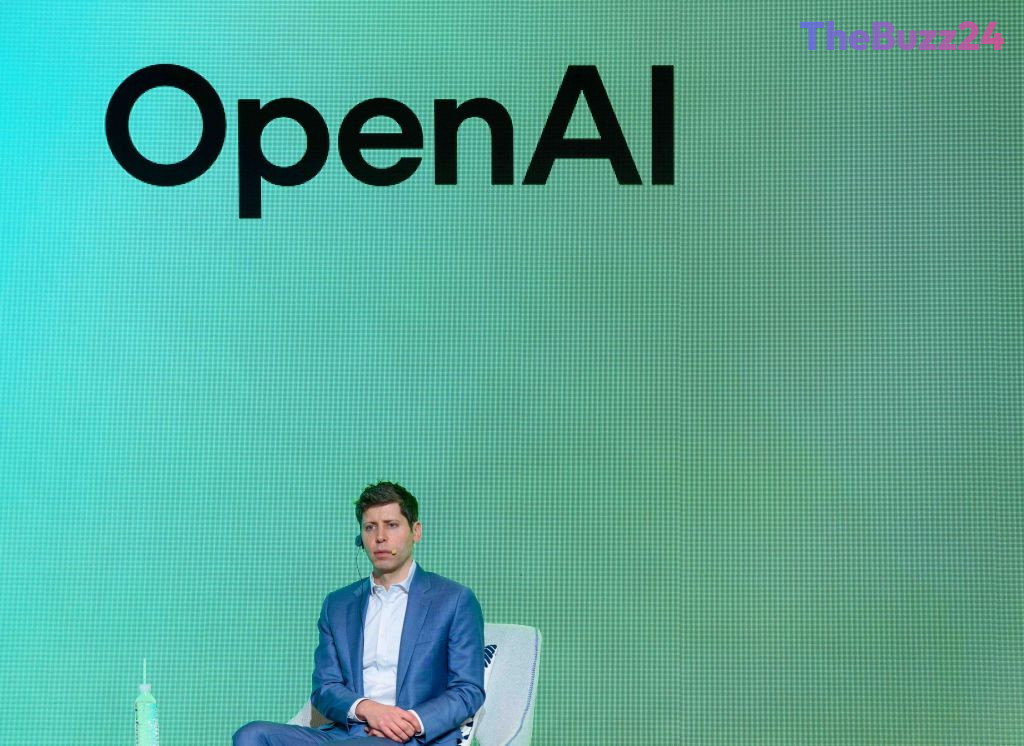
OpenAI Denies Apple’s Trade Secret Allegations Amid Hardware Ambitions
OpenAI has officially responded to a high-profile lawsuit filed by Apple, categorically denying allegations that it misappropriated trade secrets or intellectual property. The AI research organization dismissed the claims as meritless, emphasizing its commitment to fair competition and the professional mobility of its workforce. The legal dispute centers on a 41-page complaint filed in the U.S. District Court for the Northern District of California, which accuses former Apple employees now at OpenAI of orchestrating a coordinated effort to siphon confidential data.
At the heart of the controversy is Tang Tan, OpenAI’s Chief Hardware Officer and a former 24-year veteran of Apple, where he previously led product design for the iPhone and Apple Watch. Apple’s legal filing alleges that OpenAI utilized proprietary internal information to accelerate its own hardware development initiatives. This litigation follows mounting speculation regarding OpenAI’s entry into the consumer hardware market, particularly following its collaboration with Jony Ive’s design firm, LoveFrom.
Industry reports suggest that OpenAI is currently developing a screen-free, AI-powered smart speaker intended to function as a humanlike home companion. By integrating mechanical elements and leveraging the expertise of former Apple engineers, the company appears to be positioning itself as a direct competitor in the personal hardware space. OpenAI maintains that its focus remains on building innovative technology rather than acquiring the trade secrets of established industry players.
Key Takeaways
- OpenAI has formally denied Apple's allegations of trade secret theft, labeling the lawsuit as meritless.
- The lawsuit highlights the tension caused by the migration of high-level talent from Apple to OpenAI, specifically citing former executive Tang Tan.
- OpenAI is reportedly developing a screen-free, AI-driven smart speaker, signaling a strategic shift toward hardware competition.
Editor’s Analysis & Impact
The legal battle between Apple and OpenAI represents a significant escalation in the ‘AI arms race,’ extending beyond software models into the physical hardware domain. As OpenAI pivots toward consumer devices, it inevitably encroaches on Apple’s ecosystem, creating a high-stakes conflict over intellectual property and talent retention. This case will likely serve as a bellwether for how courts handle the movement of engineers between legacy tech giants and agile AI startups. If Apple succeeds in proving that its internal methodologies were used to build OpenAI’s hardware, it could force a major shift in how AI companies recruit and integrate talent. Conversely, a victory for OpenAI would reinforce the principle of employee mobility, potentially emboldening other AI firms to aggressively pursue top-tier hardware talent from established incumbents.
Frequently Asked Questions
Q: What is the core allegation in Apple's lawsuit against OpenAI?
A: Apple alleges that former employees who moved to OpenAI engaged in a coordinated effort to steal confidential information and intellectual property to assist in the development of OpenAI's own hardware products.
Q: What kind of hardware is OpenAI reportedly developing?
A: Reports indicate that OpenAI is working on a screen-free, AI-powered smart speaker designed to act as a 'humanlike' companion for the home.
AI Disclosure: This article is based on verified data and official reports. Our Team and AI have cross-referenced every financial detail with primary sources to ensure total accuracy.
More from this Category