Apple Unleashes Next-Gen Siri AI in Public Beta: A Glimpse into the Future of Voice Assistants
Apple is broadening access to its significantly enhanced Siri artificial intelligence, rolling out the iOS 27 public beta to a wider user base. This move allows everyday consumers to experience the revamped AI assistant before its official release this fall, marking a pivotal moment for Apple’s long-standing voice technology.
This public beta represents the first time Apple is making its advanced AI-powered Siri available to the general public, moving beyond its developer-only previews. With billions of active Apple devices globally, even a modest adoption rate of the beta could provide the most extensive real-world testing for Siri’s new capabilities. This upgrade aims to position Siri as a formidable competitor against established AI models like ChatGPT and Gemini.
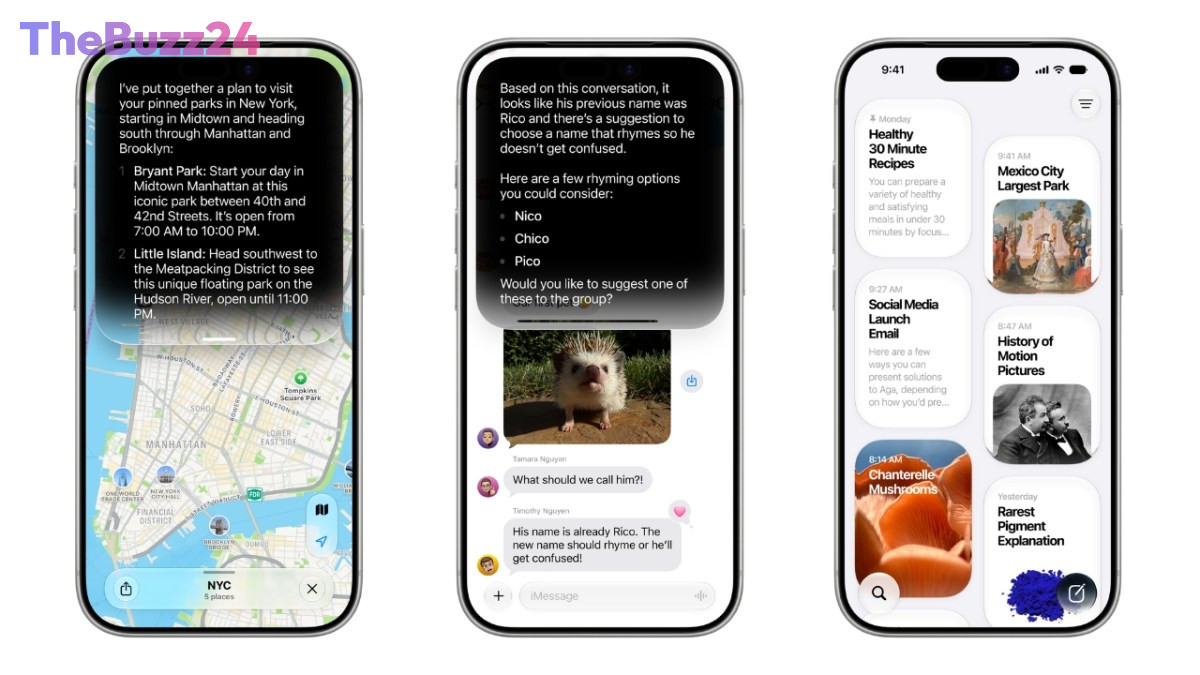
The overhaul, first unveiled at Apple’s Worldwide Developers Conference, transforms Siri from a basic voice command tool into a sophisticated AI assistant. It can now access and process information directly from a user’s device, including emails, photos, and messages. Furthermore, Siri can understand and respond to on-screen content and draw upon a vast knowledge base for its answers, mirroring the functionality of contemporary AI chatbots.
Integration has been a key focus, with Siri now accessible through multiple intuitive methods. Users can continue to use “Hey Siri” or the side button, but can also activate it by swiping down from the Dynamic Island. Its integration with Spotlight search further amplifies its power, enabling it to answer a wide array of user queries. A new standalone Siri app is also available, offering a familiar interface for those accustomed to dedicated chatbot applications, though its necessity is debatable given Siri’s deep system-wide integration.
Beyond the iPhone, the upgraded Siri is being deployed across Apple’s entire ecosystem, including iPad, Mac, Apple Watch, CarPlay, AirPods, Apple TV, and the Vision Pro. At its core, the new Siri leverages Apple Intelligence, featuring on-device Foundation Models and Private Cloud Compute. While Apple collaborated with Google on its Gemini model for its Foundation Models, these are not simply rebranded versions. Instead, Apple has developed proprietary models tailored for its Apple Silicon, using its own data and distilling aspects of Gemini to create efficient, integrated software components. Apple’s Private Cloud Compute infrastructure is designed to ensure user data remains private and inaccessible to the company.
Early evaluations of the developer version have shown promising improvements in handling complex tasks, such as locating specific photos, summarizing lengthy text conversations, scheduling appointments from messages, and identifying objects through the camera. Siri has also demonstrated enhanced ability to answer general knowledge questions that previously would have required a web search.
While the developer beta encountered occasional errors and confusion, the overall stability has improved significantly, making the public beta a more viable option for early adopters. However, users are advised to proceed with caution when installing beta software, as potential instability could impact critical device functions. The public release of iOS 27 is anticipated in September.
Key Takeaways
- Apple has launched the iOS 27 public beta, making its significantly upgraded Siri AI assistant accessible to a wider audience for the first time.
- The new Siri boasts enhanced capabilities, including on-device information access, contextual understanding of screen content, and deeper integration across Apple's ecosystem.
- The update utilizes Apple Intelligence and proprietary Foundation Models, with a focus on user privacy through Private Cloud Compute, while also incorporating elements from Google's Gemini.
Editor’s Analysis & Impact
The release of the Siri AI public beta signifies Apple’s aggressive push to reclaim its position in the AI assistant market. By integrating advanced AI capabilities directly into its operating system and hardware, Apple aims to create a seamless and intuitive user experience that differentiates it from competitors. The emphasis on on-device processing and private cloud compute addresses growing consumer concerns about data privacy, a crucial factor in the adoption of AI technologies. This move is likely to intensify competition among tech giants, forcing them to accelerate their own AI development and integration strategies across their product lines. The success of this beta will be a key indicator of Apple’s AI strategy effectiveness and its potential to redefine user interaction with personal devices.
Frequently Asked Questions
Q: What is Apple Intelligence?
A: Apple Intelligence is the underlying AI framework powering the new Siri and other enhanced features in iOS 27. It includes on-device Foundation Models and Private Cloud Compute, designed to deliver powerful AI capabilities while prioritizing user privacy.
Q: How is the new Siri different from the previous version?
A: The new Siri is a significant upgrade, capable of understanding context, accessing on-device information like emails and photos, responding to on-screen content, and grounding its answers in world knowledge, similar to advanced chatbots. It's also more deeply integrated across the operating system and Apple's hardware.
Q: Is it safe to install the iOS 27 public beta?
A: Installing a beta version of an operating system carries some risk. While the developer betas have been relatively stable, there's always a possibility of encountering bugs or performance issues. Users who require their device to function flawlessly should wait for the official public release, expected in September.
AI Disclosure: This article is based on verified data and official reports. Our Team and AI have cross-referenced every financial detail with primary sources to ensure total accuracy.
More from this Category