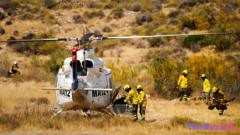
Devastating Spain Wildfires Claim 13 Lives, Including Seven British Nationals in Almería Province
A devastating wildfire that swept through Spain’s southern Almería province has claimed the lives of 13 people, making it one of the country’s deadliest forest fires in recent history. Following the completion of post-mortem examinations, Spanish authorities confirmed that 12 of the victims were foreign nationals. Among the deceased are seven citizens from the United Kingdom, three from Belgium, one from France, and one from the United States. The final victim was identified as a Spanish national. The casualties include eight women and five men, all of whom were adults.
The mountain village of Bédar bore the brunt of the destructive blaze, which forced the evacuation of nearly 1,500 residents across the province. Among the British victims were Pete and Fran Gillam, long-term residents of Bédar, whose passing was confirmed by their family. Another resident, 70-year-old British national Malcolm Timbrell, shared a harrowing account of survival. Separated from his group, Timbrell managed to survive by taking shelter inside an abandoned car with a cat, while several surrounding vehicles combusted. His wife and friends are tragically feared to be among those who perished in the fast-moving flames.
Emergency services have since contained the wildfire, which scorched approximately 7,000 hectares (17,300 acres) of land, leaving vast swathes of the Almería landscape completely charred. The disaster underscores a worrying trend for Spain, which has faced increasingly frequent and intense heatwaves in recent years, with summer temperatures regularly soaring past 40 degrees Celsius (104 degrees Fahrenheit). International consular services are currently working alongside Spanish authorities to support the families of the victims during this tragedy.
Key Takeaways
- A severe wildfire in Spain's Almería province has claimed 13 lives, including seven British nationals, three Belgians, one French citizen, one American, and one Spaniard.
- The village of Bédar was the hardest-hit area, forcing the evacuation of nearly 1,500 people and destroying approximately 7,000 hectares of land before being contained.
- The tragedy highlights the growing danger of extreme heatwaves in Spain, where temperatures frequently exceed 40°C, exacerbating wildfire risks.
Editor’s Analysis & Impact
The tragic loss of life in Almería highlights the escalating threat that climate-induced extreme weather poses to Southern Europe’s tourism and expatriate communities. Spain’s real estate and tourism sectors, particularly in rural and coastal regions popular with northern European retirees, may face long-term challenges as wildfire risks increase. This disaster will likely pressure European governments to invest more heavily in cross-border emergency response coordination and localized early-warning systems. Furthermore, it underscores the urgent need for stricter land management policies and fire-resistant infrastructure in drought-prone Mediterranean zones. As heatwaves exceeding 40°C become the summer norm, insurance companies are also expected to reassess risk models for properties in high-risk forested areas, potentially driving up premiums and shifting demographic trends away from vulnerable rural enclaves.
Frequently Asked Questions
Q: Where did the Spanish wildfires take place and how much damage did they cause?
A: The wildfires occurred in Spain's southern Almería province, heavily impacting the village of Bédar. The blaze burned through approximately 7,000 hectares (17,300 acres) of land and forced the evacuation of nearly 1,500 people before emergency services contained it.
Q: Who were the victims of the Almería wildfires?
A: A total of 13 adults (eight women and five men) lost their lives. Twelve of the victims were foreign nationals, including seven from the United Kingdom, three from Belgium, one from France, and one from the United States. One Spanish citizen also perished in the disaster.
Q: What environmental factors contributed to the severity of the fire?
A: Spain has been experiencing increasingly frequent and severe heatwaves, with summer temperatures regularly climbing above 40°C (104°F). These extreme temperatures, combined with prolonged dry spells, create highly combustible conditions that allow wildfires to spread rapidly.
AI Disclosure: This article is based on verified data and official reports. Our Team and AI have cross-referenced every financial detail with primary sources to ensure total accuracy.
More from this Category