Apple Intelligence Secures China Launch Through Strategic Alibaba Partnership
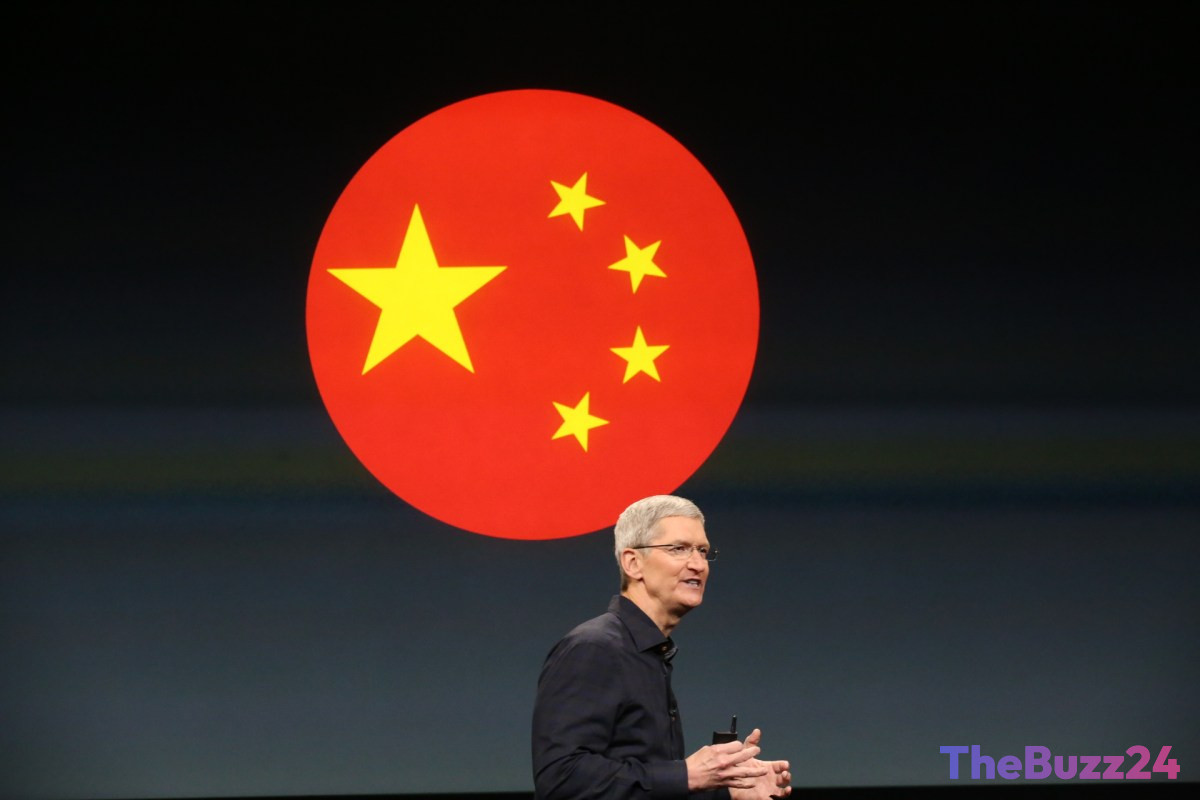
Apple is set to introduce its generative artificial intelligence suite, Apple Intelligence, to the Chinese market following regulatory approval from the Cyberspace Administration of China. To comply with local regulations and deliver localized AI capabilities, Apple has partnered with e-commerce and technology giant Alibaba. This collaboration will integrate Alibaba’s proprietary Qwen AI model into Apple’s ecosystem, spanning iOS, iPadOS, macOS, and visionOS.
The agreement represents a critical milestone for Apple in one of its most vital global markets. During the second quarter, Apple’s sales in Greater China surged by 28% to reach $20.5 billion, helping the company reclaim the number two spot in the country’s highly competitive smartphone market. Integrating a robust local AI model is seen as essential for maintaining this momentum, especially as domestic competitors rapidly deploy their own advanced AI features.
Securing a local AI partner in China was a complex process for the iPhone maker. Apple previously explored potential partnerships with other Chinese tech giants, including Baidu, ByteDance, and DeepSeek. However, challenges in adapting those models for Chinese consumers led to delays in launching Apple Intelligence features, which initially debuted globally in 2024. The partnership with Alibaba finally bridges this gap, bringing advanced text and image understanding and generation capabilities to Chinese users.
Key Takeaways
- Apple has secured regulatory approval from the Cyberspace Administration of China to launch Apple Intelligence in the country.
- The service will be powered by Alibaba's Qwen AI model, integrating advanced text and image generation across Apple's operating systems.
- The partnership follows previous, unsuccessful negotiations with other Chinese tech firms like Baidu and ByteDance.
Editor’s Analysis & Impact
This partnership highlights the geopolitical and regulatory complexities multinational tech companies face when deploying AI globally. China’s strict data sovereignty and AI governance laws make it virtually impossible for foreign firms to deploy external AI models like OpenAI’s ChatGPT or Google’s Gemini. By partnering with Alibaba, Apple successfully navigates these regulatory hurdles while securing a highly capable local Large Language Model (LLM) in Qwen. For Alibaba, this integration is a massive validation of its AI capabilities, positioning it as a premier enterprise AI provider. For Apple, localizing its AI suite is crucial to defending its premium market share against aggressive domestic rivals like Huawei and Xiaomi, who are already leveraging native AI ecosystems to attract consumers.
Frequently Asked Questions
Q: Why can't Apple use its own global AI models in China?
A: China enforces strict regulatory oversight on generative AI, requiring all models to be approved by the Cyberspace Administration of China. Foreign AI models face significant regulatory barriers, forcing international companies like Apple to partner with approved local providers.
Q: Which Apple devices and operating systems will feature the Alibaba Qwen integration?
A: The integration of Alibaba's Qwen AI model will be implemented across Apple's entire ecosystem, including iOS, iPadOS, macOS, and visionOS.
Q: What capabilities will Alibaba's Qwen bring to Apple Intelligence?
A: The integration will enable advanced generative AI features on Apple devices, specifically focusing on text and image understanding, processing, and generation.
AI Disclosure: This article is based on verified data and official reports. Our Team and AI have cross-referenced every financial detail with primary sources to ensure total accuracy.
More from this Category