Under Scrutiny: Fed Chief Kevin Warsh Asserts Autonomy Despite Frequent White House Contact
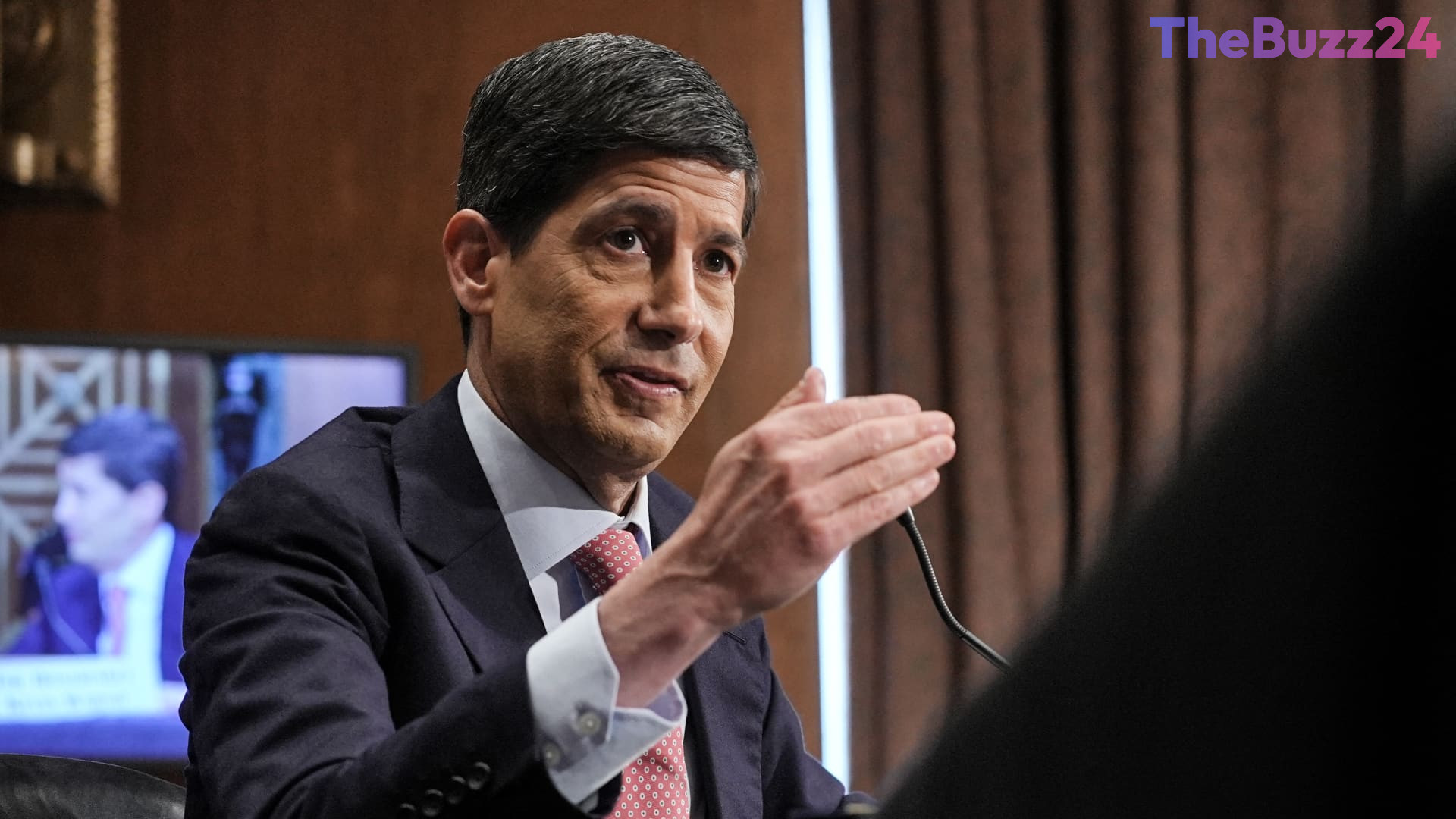
Federal Reserve Chairman Kevin Warsh strongly defended the central bank’s independence during two days of congressional testimony, addressing concerns over his frequent communications with the Trump administration. Speaking before the Senate Banking Committee, Warsh confirmed that he maintains regular contact with Treasury Secretary Scott Bessent, extending beyond their traditional weekly breakfast meetings. However, he declined to disclose whether he has spoken directly with President Donald Trump since assuming his role seven weeks ago, asserting that receiving a call from the president would not compromise his professional integrity.
Warsh’s remarks come at a highly sensitive time for the Federal Reserve, as investors closely watch for signals regarding future interest rate adjustments. The Federal Open Market Committee (FOMC) remains visibly divided, with prominent officials like Fed Governor Christopher Waller and New York Fed President John Williams suggesting that interest rate hikes may still be necessary this year to combat persistent inflation. Meanwhile, President Trump has publicly advocated for lower interest rates. Warsh emphasized that the Fed’s power and credibility rely heavily on making objective decisions aligned with statutory mandates, rather than political pressure.
Addressing the economic landscape, Warsh noted that inflation has remained above the Fed’s 2% target for 63 consecutive months. Despite recent data showing a decline in consumer and producer prices, the chairman urged caution, describing current metrics as imperfect indicators of underlying inflation. To address these measurement challenges, Warsh has established a specialized task force to re-evaluate how the central bank defines and analyzes inflation. He has also initiated a review of the Fed’s balance sheet policy, reviving interest in his previous proposals regarding a potential update to the historic 1951 Treasury-Fed Accord.
The close relationship between Warsh and Treasury Secretary Bessent has drawn attention, as both men share a professional history with prominent investor Stanley Druckenmiller. While their predecessors, such as former Fed Chair Jerome Powell, maintained more distant communication channels with the Treasury outside of scheduled meetings, Warsh’s frequent dialogues represent a shift in administrative dynamics. Despite these close ties, Warsh reiterated that his policy decisions will remain entirely autonomous, even as White House economic advisors express support for his newly formed task forces.
Key Takeaways
- Fed Chairman Kevin Warsh defended the central bank's independence during congressional hearings, despite confirming frequent communication with Treasury Secretary Scott Bessent.
- Warsh declined to confirm or deny direct conversations with President Donald Trump but stated he would not feel uncomfortable speaking with the president.
- The Fed remains divided on interest rates, with some officials eyeing rate hikes while Warsh establishes task forces to review inflation metrics and balance sheet policies.
Editor’s Analysis & Impact
The close relationship between Fed Chairman Kevin Warsh and the Trump administration, particularly Treasury Secretary Scott Bessent, introduces a complex dynamic for monetary policy. While Warsh staunchly defends the Fed’s “sacrosanct” independence, his frequent communications and shared professional background with Bessent raise questions about potential alignment on economic strategies. This comes at a critical juncture as the FOMC is divided on interest rates, and inflation remains stubbornly above the 2% target. Warsh’s decision to launch task forces to re-evaluate inflation metrics and balance sheet policies suggests a desire to reshape the Fed’s operational framework. However, to maintain market credibility, Warsh must demonstrate that any policy shifts—especially toward the lower interest rates favored by the White House—are driven strictly by objective economic data rather than political influence.
Frequently Asked Questions
Q: Why is the independence of the Federal Reserve considered so important?
A: Federal Reserve independence ensures that monetary policy decisions, such as setting interest rates, are made based on long-term economic data rather than short-term political pressures or election cycles.
Q: What is the relationship between Fed Chairman Kevin Warsh and Treasury Secretary Scott Bessent?
A: Warsh and Bessent share a professional connection through investor Stanley Druckenmiller, for whom both worked at different points in their careers. They maintain frequent communication, including weekly breakfasts and regular discussions.
Q: How is the Federal Open Market Committee (FOMC) currently divided?
A: The FOMC is split on the future path of interest rates. While some Fed officials have suggested that rate hikes may still be necessary to curb persistent inflation, the Trump administration has consistently advocated for lower interest rates.
AI Disclosure: This article is based on verified data and official reports. Our Team and AI have cross-referenced every financial detail with primary sources to ensure total accuracy.
More from this Category