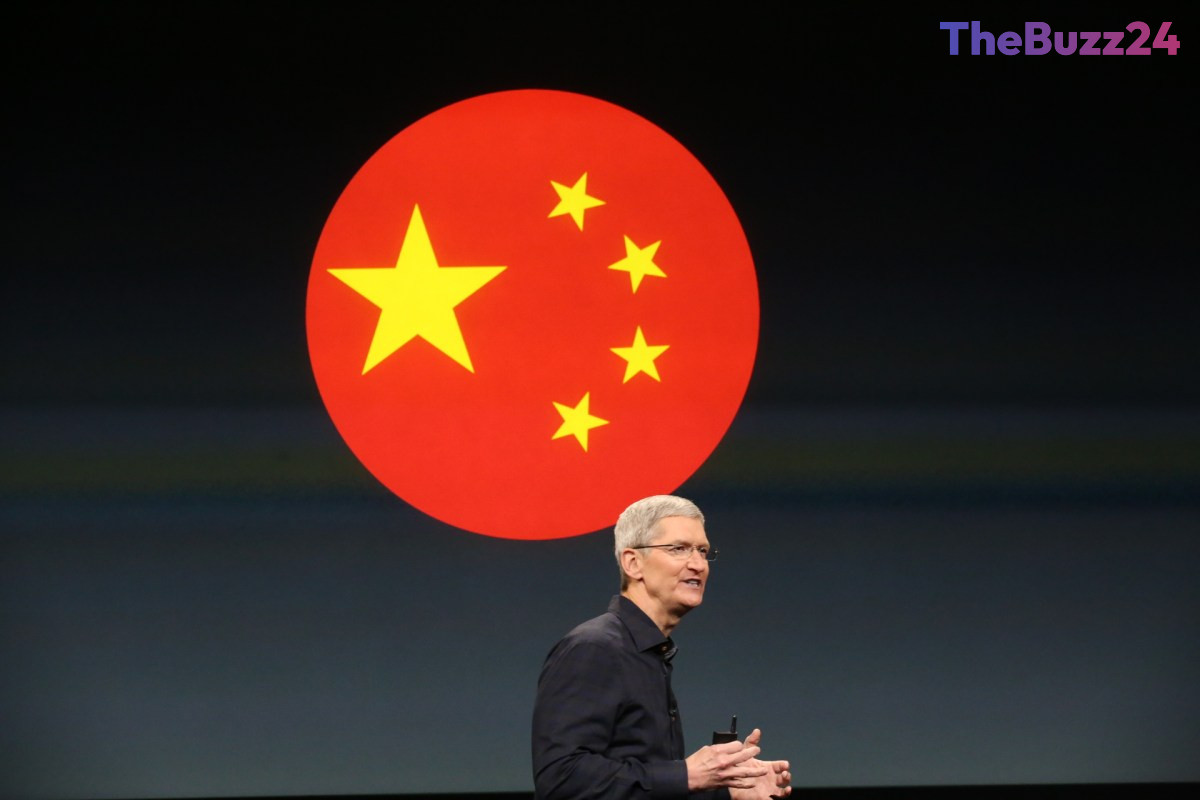
Apple Intelligence Secures China Launch with Alibaba and Baidu Partnerships
Apple’s highly anticipated artificial intelligence features, collectively known as Apple Intelligence, have received official approval for launch in China. This significant development follows strategic partnerships with leading Chinese technology firms, Alibaba and Baidu, to integrate their respective AI models into Apple’s ecosystem. The Cyberspace Administration of China (CAC) granted the necessary clearance, paving the way for these advanced capabilities to reach millions of users in the crucial Chinese market.
The core of this integration involves Alibaba’s Qwen AI model, which will be woven into Apple’s various operating systems, including iOS, iPadOS, macOS, and visionOS. Alibaba has confirmed that its Qwen models will power “text and image understanding and generation” within Apple Intelligence experiences, though a specific launch timeline remains undisclosed. Separately, Baidu is also actively collaborating with Apple to tailor Apple Intelligence features specifically for Chinese users, further solidifying local adaptation.
This regulatory green light marks a pivotal moment for Apple’s AI ambitions in a market where it generated $20.5 billion in sales in Greater China during the second quarter, representing a 28% year-over-year increase. The company recently reclaimed its second-place position in China’s competitive smartphone market, partly due to successful promotional campaigns. Previously, the absence of such regulatory approval had delayed the rollout of Apple Intelligence features, which first debuted in 2024, for Chinese consumers. Reports also suggest Apple is exploring potential integrations with other local AI developers like DeepSeek and ByteDance, indicating a broader strategy for its AI services in the region.
Key Takeaways
- Apple Intelligence has received official approval from China's Cyberspace Administration for launch in the country.
- The approval is contingent on partnerships with Alibaba, integrating its Qwen AI model, and Baidu, which is also developing features for Chinese users.
- This move overcomes previous regulatory hurdles, opening a critical market for Apple's advanced AI capabilities and strengthening its position in China.
Editor’s Analysis & Impact
The approval of Apple Intelligence in China, facilitated by partnerships with Alibaba and Baidu, is a game-changer for Apple’s global AI strategy. This move not only unlocks a massive market for Apple’s advanced features but also demonstrates the critical importance of local collaborations for foreign tech giants operating under China’s stringent regulatory framework. For the industry, it highlights the growing sophistication and necessity of integrating local AI models to comply with data sovereignty and content regulations. This could set a precedent for other international companies seeking to deploy AI services in China. The enhanced user experience offered by Apple Intelligence, powered by local AI, is expected to bolster Apple’s competitive edge and potentially drive further sales in a market where it already holds significant sway, reinforcing its ecosystem lock-in amidst fierce local competition.
Frequently Asked Questions
Q: What is Apple Intelligence?
A: Apple Intelligence is Apple's suite of personal intelligence features designed to enhance user experience across its devices, offering capabilities like text and image understanding and generation, and improved Siri functionality.
Q: Why is Apple partnering with Chinese AI companies like Alibaba and Baidu?
A: Apple is partnering with Alibaba and Baidu to comply with China's strict regulatory requirements for AI services, which often mandate the use of local AI models and data processing within the country. These partnerships enable Apple to launch its AI features while adhering to local laws and preferences.
Q: How will this launch impact Apple's market position in China?
A: The launch of Apple Intelligence is expected to significantly strengthen Apple's competitive position in China by offering advanced, locally adapted AI features to its users. This could boost iPhone sales, enhance user loyalty, and help Apple maintain its strong presence in one of its most important global markets.
AI Disclosure: This article is based on verified data and official reports. Our Team and AI have cross-referenced every financial detail with primary sources to ensure total accuracy.
More from this Category