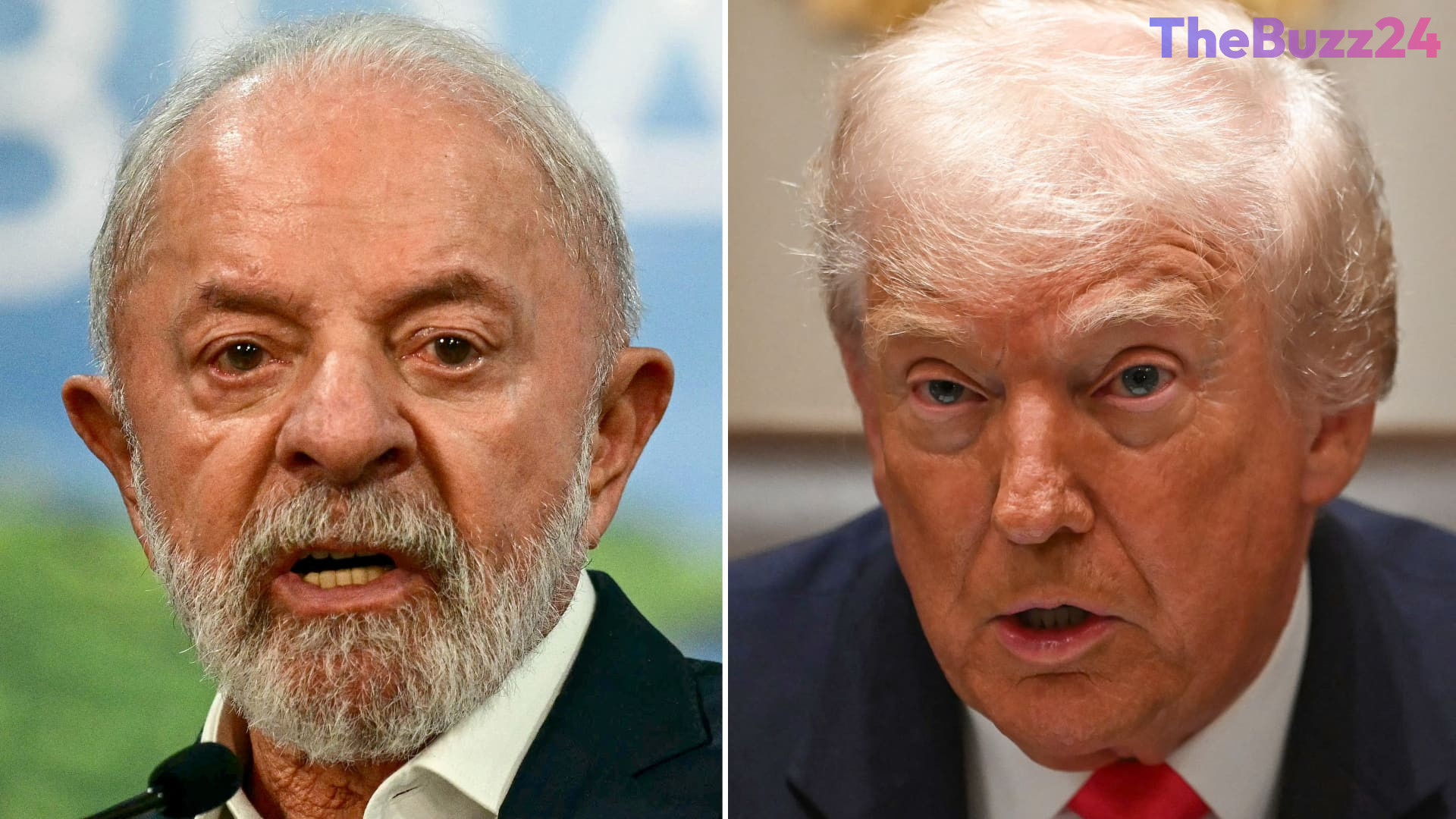
U.S. Imposes 25% Tariffs on Brazilian Imports Amid Trade Dispute
The United States government has announced the implementation of a 25% tariff on a broad range of imports from Brazil, effective July 22. This decision follows a yearlong investigation into what Washington characterizes as unfair trade practices. The measures, enacted under Section 301 of the Trade Act of 1974, specifically address concerns regarding intellectual property enforcement, ethanol market barriers, and government mandates requiring technology companies—including X, Meta, and Google—to remove political content and suspend specific user accounts.
While the new levy applies to a wide array of goods, the administration has granted exemptions for several key sectors, including beef, orange juice, aircraft components, and energy products. Officials stated that these tariffs are essential to creating a more equitable environment for American workers and businesses. However, the move has drawn sharp criticism from Brazilian leadership, with President Luiz Inacio Lula da Silva labeling the decision as groundless and pledging to pursue a formal dispute through the World Trade Organization.
President Lula highlighted that the U.S. maintains a significant trade surplus with Brazil, which reached $14.4 billion last year, arguing that unilateral trade barriers are unjustified. The situation is further complicated by an ongoing investigation into forced-labor enforcement, which could result in an additional 12.5% duty on Brazilian goods. As the dispute intensifies, it has become a focal point in Brazil’s upcoming October presidential election, with political factions trading blame over the breakdown in diplomatic negotiations.
Key Takeaways
- The U.S. is imposing a 25% tariff on most Brazilian imports starting July 22, citing unfair trade practices and digital censorship concerns.
- Exemptions have been carved out for specific industries, including beef, orange juice, and aerospace components.
- Brazil plans to challenge the tariffs at the World Trade Organization, citing the existing U.S. trade surplus as evidence that the measures are unjustified.
Editor’s Analysis & Impact
The imposition of these tariffs signals a hardening of U.S. trade policy, moving beyond traditional economic metrics to include the regulation of digital platforms and political speech. By targeting Brazil’s policies on content moderation and intellectual property, the U.S. is effectively weaponizing trade policy to influence the domestic regulatory environments of its partners. The potential for an additional 12.5% duty related to labor practices suggests that supply chain compliance will become a major friction point in future bilateral relations. For global markets, this represents a shift toward more protectionist, politically-driven trade barriers. While the immediate impact on global trade may be localized, the precedent of using Section 301 to address digital governance could lead to a fragmented international trade landscape, forcing multinational corporations to navigate increasingly divergent regulatory requirements across different jurisdictions.
Frequently Asked Questions
Q: Which products are exempt from the new 25% tariff?
A: The U.S. has granted exemptions for beef, orange juice, aircraft and their parts, and various energy products.
Q: What is the primary justification provided by the U.S. for these tariffs?
A: The U.S. cites unfair trade practices, including weak intellectual property enforcement, ethanol market barriers, and government mandates requiring tech companies to remove political content.
AI Disclosure: This article is based on verified data and official reports. Our Team and AI have cross-referenced every financial detail with primary sources to ensure total accuracy.
More from this Category