Chinese AC Units Become Summer Lifesavers as Europe Swelters Under Record Heat
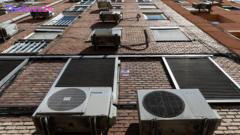
As Europe grapples with unprecedented heatwaves, a surge in demand for air conditioning units, particularly from Chinese manufacturers, has become a defining trend of the summer. Record-breaking temperatures, exceeding 40°C (104°F) in many parts of Germany and across Western Europe, have pushed residents to seek relief, leading to a dramatic rise in sales for brands like Midea.
For many Europeans, accustomed to lower rates of air conditioning ownership, the intense heat has necessitated a shift in purchasing habits. The Midea PortaSplit, a portable air conditioning unit designed to comply with European regulations, has emerged as a particularly sought-after product. Its popularity stems partly from its innovative design, which allows for easy installation without the need for permanent structural modifications, a significant advantage in cities with strict building preservation rules. The unit’s outdoor component is lightweight and can be safely placed outside windows, making it compatible with a wide range of European window types.
This increased demand has led to units selling out rapidly, with some appearing on resale markets at significantly inflated prices. The phenomenon highlights a growing acceptance and appreciation for Chinese-made home appliances, challenging previous perceptions of ‘Made in China’ goods. Consumers like Steven Scholtysek in Germany and Denis Yurchak in Vienna have expressed surprise at the quality and modern design of the Midea units, with some even investing in the company’s stock. This trend is not limited to Midea, as other Chinese manufacturers like TCL and Gree have also reported substantial increases in air conditioner sales across Europe.
While these cooling solutions offer much-needed respite, their widespread adoption raises environmental concerns. Air conditioning is a significant contributor to global electricity consumption and carbon emissions. Environmental advocates and policymakers are urging a balanced approach, acknowledging the necessity of cooling for vulnerable populations during extreme heat events while also emphasizing the need for sustainable solutions. The French government, for instance, has committed significant funds to install cooling systems in schools, reflecting a broader effort to adapt to a changing climate.
Key Takeaways
- Record heatwaves in Europe have driven a surge in demand for air conditioning units, particularly from Chinese brands like Midea.
- The Midea PortaSplit's innovative, easy-to-install design is overcoming regulatory hurdles and appealing to European consumers.
- The trend signals a potential shift in perception for Chinese-made electronics, while also raising environmental concerns about increased energy consumption.
Editor’s Analysis & Impact
The current heatwave crisis in Europe is not just a meteorological event but a significant market disruptor, particularly for the home appliance sector. The overwhelming demand for Chinese-made air conditioners, especially portable units like the Midea PortaSplit, underscores a critical vulnerability in European infrastructure and consumer preparedness for extreme weather. This trend could signal a lasting shift in consumer preferences towards Chinese brands, challenging established Western manufacturers and potentially reshaping the European market for cooling solutions. However, the environmental implications of widespread AC adoption are substantial, necessitating a dual focus on immediate relief and long-term sustainable cooling strategies. The success of these Chinese products may also pave the way for further market penetration of other Chinese tech and consumer goods.
Frequently Asked Questions
Q: Why are Chinese air conditioners, like Midea, so popular in Europe this summer?
A: Record-breaking heatwaves have made air conditioning essential. The Midea PortaSplit, in particular, is popular because it's designed to meet European regulations, is easy to install without structural changes (ideal for older buildings), and offers effective cooling, overcoming previous hesitations about Chinese-made products due to improved quality and design.
Q: What are the environmental concerns associated with increased air conditioner use?
A: Air conditioning accounts for a significant portion of global electricity consumption and carbon dioxide emissions. Widespread use, especially during prolonged heatwaves, can strain power grids and contribute to climate change. Additionally, AC units expel hot air, which can exacerbate outdoor temperatures in densely populated urban areas.
Q: Are there any alternatives to traditional air conditioning for cooling homes in Europe?
A: While portable AC units are gaining traction, other measures include improving home insulation, using fans, closing blinds and curtains during the hottest parts of the day, and utilizing natural ventilation during cooler periods. Some regions are also investing in public cooling centers and exploring more sustainable, community-wide cooling solutions.
AI Disclosure: This article is based on verified data and official reports. Our Team and AI have cross-referenced every financial detail with primary sources to ensure total accuracy.
More from this Category