Hazardous Smoke from Canadian Wildfires Triggers Air Quality Alerts Across Northern U.S.
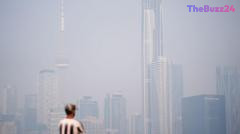
A massive surge of wildfires across Canada has sent thick plumes of smoke drifting southward, resulting in hazardous air quality levels across large swaths of the northern United States. Regions spanning the Upper Midwest, the Great Lakes, and the Northeast are currently under air quality alerts, with major cities including Detroit, Minneapolis, and Chicago reporting some of the poorest air conditions globally. In New York, officials have activated emergency protocols, distributing KN95 masks and opening cooling centers as the smoke creates hazy skies and poses significant health risks to residents.
With over 850 active fires currently burning across Canada—many of which are classified as out of control—the situation has reached a critical point. In Ontario, the devastation is particularly severe; remote First Nations communities have been forced to evacuate, with reports indicating that some areas have been entirely destroyed by the flames. While thunderstorms are expected in the region, experts warn that the precipitation is unlikely to provide sufficient relief to contain the widespread infernos.
The persistent smoke has ignited political friction, with some U.S. lawmakers expressing frustration over the frequency and management of the fires. However, environmental experts emphasize that these events are increasingly linked to long-term climate trends, including atmospheric drying and rising temperatures. As the fires migrate eastward from their traditional western strongholds, they are increasingly impacting densely populated urban centers, straining firefighting resources and forcing a re-evaluation of regional emergency preparedness.
Key Takeaways
- Hazardous air quality alerts are in effect across the U.S. Midwest and Northeast due to smoke from hundreds of active Canadian wildfires.
- Remote First Nations communities in Ontario have suffered catastrophic losses, with entire settlements reported as destroyed.
- Experts attribute the increasing frequency and eastward shift of these wildfires to long-term climate warming and atmospheric drying.
Editor’s Analysis & Impact
The current wildfire crisis highlights a growing geopolitical and environmental challenge: the cross-border impact of climate-driven disasters. As wildfire patterns shift eastward, they are no longer just a concern for remote wilderness areas but are now directly impacting the economic and health infrastructure of major North American population centers. The friction between U.S. state officials and Canadian leadership underscores the difficulty of managing transboundary environmental threats. Looking ahead, the frequency of these events suggests that air quality management and wildfire mitigation will become permanent fixtures of urban planning and public health policy. The economic strain of these fires—ranging from emergency response costs to the disruption of major events—indicates that both nations will need to invest more heavily in collaborative, long-term fire suppression technology and climate-resilient infrastructure to mitigate future risks.
Frequently Asked Questions
Q: Why is the smoke from Canadian wildfires reaching so far into the United States?
A: The smoke is being carried by northwesterly winds, which are steering the plumes from the burning boreal forests in Canada across the Great Lakes and into the northeastern United States.
Q: What should residents do when air quality reaches 'hazardous' levels?
A: Health officials generally recommend staying indoors, keeping windows and doors closed, using air purifiers, and wearing high-quality masks like KN95s if going outside is necessary.
AI Disclosure: This article is based on verified data and official reports. Our Team and AI have cross-referenced every financial detail with primary sources to ensure total accuracy.
More from this Category