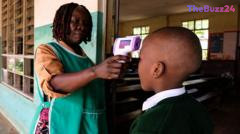
Uganda Declares Victory as Last Ebola Patient Discharged
Uganda has reached a significant milestone in its public health efforts, as the final patient receiving treatment for Ebola has been discharged from the hospital. This development leaves the nation with no active confirmed cases of the virus, marking a successful containment phase for the country. Health Minister Dr. Chris Baryomunsi celebrated the event as a moment of joy, emphasizing that the outcome proves the efficacy of early detection and robust medical infrastructure.
The outbreak in Uganda, which began in May, was largely contained through established protocols including rigorous contact tracing, isolation of suspected cases, and targeted public health communication. Throughout the duration of the outbreak, the country recorded 20 confirmed cases and two fatalities. While the immediate threat has subsided, health officials have initiated a 42-day countdown, a standard period required before the country can be officially declared Ebola-free by international health standards.
Despite the success in Uganda, the situation remains dire in the neighboring Democratic Republic of Congo, which serves as the epicenter of a much larger and more complex epidemic. International health authorities have expressed concern over the rapid spread of the virus in the region, noting that a significant portion of new cases stems from previously unknown transmission chains. As the crisis persists, global health organizations continue to call for increased funding and resources to combat the virus, which remains a severe threat in areas plagued by conflict and limited medical access.
Key Takeaways
- Uganda has successfully discharged its final Ebola patient, leaving the country with zero active cases.
- The nation has entered a 42-day observation period to officially confirm the end of the outbreak.
- While Uganda has contained its local spread, the neighboring Democratic Republic of Congo continues to face a severe and rapidly expanding Ebola crisis.
Editor’s Analysis & Impact
The successful containment of Ebola in Uganda highlights the critical importance of established public health infrastructure and rapid response protocols in developing nations. By leveraging previous experience with the virus, Uganda demonstrated that mortality rates can be significantly reduced through early intervention. However, the broader regional outlook remains precarious. The ongoing crisis in the Democratic Republic of Congo underscores the challenges posed by geopolitical instability, which hampers contact tracing and medical delivery. The disparity between the two nations serves as a case study for the necessity of international cooperation and sustained funding. Future efforts must focus on bridging the resource gap in conflict-affected zones, as the current funding shortfall threatens to prolong the epidemic and increase the risk of cross-border transmission, potentially impacting global travel and security policies.
Frequently Asked Questions
Q: How long must a country be free of Ebola cases to be declared outbreak-free?
A: A country typically undergoes a 42-day countdown—twice the maximum incubation period of the virus—without any new confirmed cases before it can be officially declared Ebola-free.
Q: Why is the Ebola outbreak in the Democratic Republic of Congo considered more difficult to manage?
A: The outbreak in the DR Congo is complicated by active armed conflict, which hinders the ability of health workers to conduct contact tracing, provide medical care, and gain the trust of local communities.
AI Disclosure: This article is based on verified data and official reports. Our Team and AI have cross-referenced every financial detail with primary sources to ensure total accuracy.
More from this Category