Google Vids Evolves into AI-Powered Video Production Suite
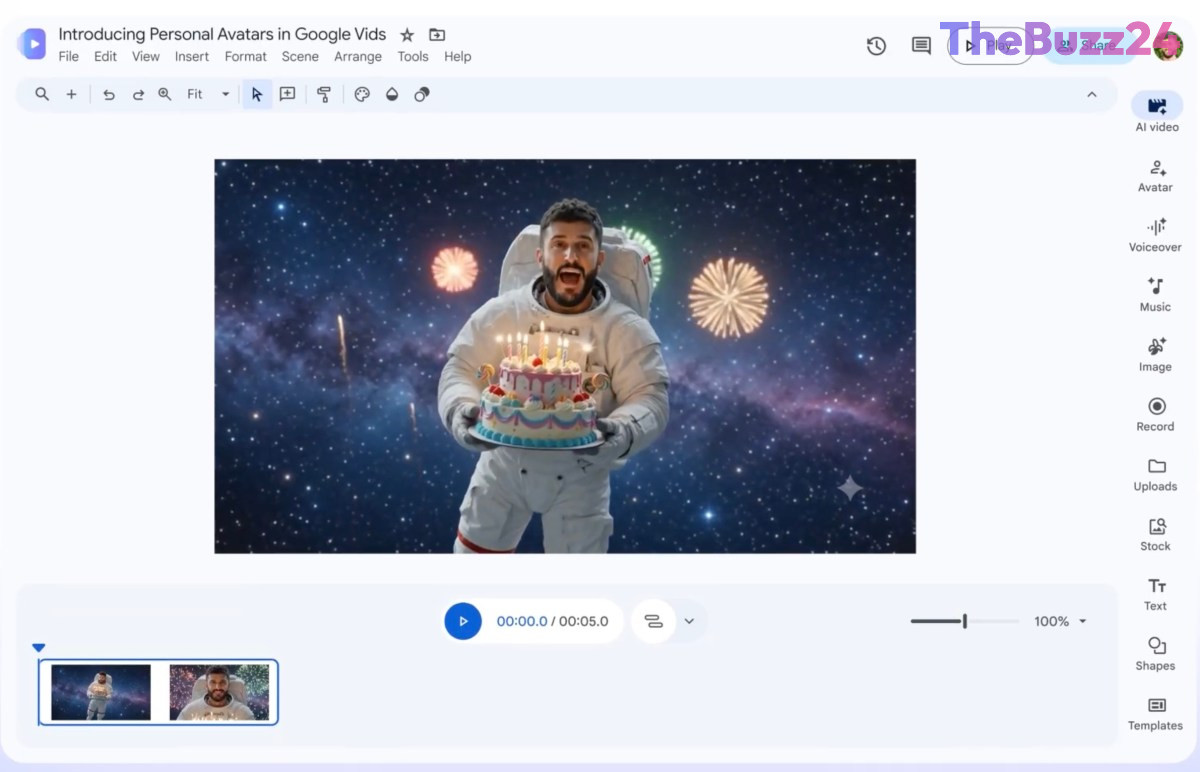
Google has unveiled a significant expansion for its Vids platform, transforming the workplace tool into a comprehensive AI-driven video creation suite. The latest update introduces custom digital avatars, allowing users to generate lifelike representations of themselves using a simple selfie and a voice sample. This feature is designed to streamline the production of professional content, such as corporate updates and training modules, directly within the Google Workspace ecosystem.
Beyond personal avatars, the platform is integrating the Gemini Omni multi-modal AI model. This integration enables users to generate video content by combining written prompts with reference images. The system is capable of sophisticated post-production tasks, including background replacement, lighting adjustments, and the application of visual effects. Furthermore, the introduction of step-by-step editing allows users to refine their projects iteratively, eliminating the need to restart from scratch when adjustments are required.
To address safety and authenticity concerns, Google has implemented strict guardrails for these new features. Personal avatars are restricted to users aged 18 and older in specific regions and are protected by SynthID, an invisible watermarking technology. By tying these digital likenesses directly to verified Google accounts, the company aims to prevent the misuse of AI-generated content while positioning Vids as a direct competitor to specialized video startups like HeyGen and Synthesia.
Key Takeaways
- Google Vids now supports the creation of custom AI avatars based on user selfies and voice recordings.
- The integration of Gemini Omni allows for advanced video editing, including background swaps and iterative, step-by-step modifications.
- New safety measures, including SynthID watermarking and account-based verification, have been implemented to prevent the misuse of AI-generated likenesses.
Editor’s Analysis & Impact
Google’s push into the AI video space signals a strategic shift in how enterprise communication is handled. By embedding these capabilities into Google Workspace, the company is lowering the barrier to entry for high-quality video production, effectively commoditizing features that were previously the domain of niche startups. This move forces competitors in the synthetic media space to differentiate themselves through superior quality or specialized workflows, as Google leverages its massive distribution network to capture the corporate market. The focus on safety and watermarking is a calculated move to mitigate reputational risk, ensuring that while the tool is powerful, it remains tethered to verified identities. As AI-generated video becomes standard for internal corporate communications, we can expect a rapid decline in the cost and time required to produce professional-grade training and update materials.
Frequently Asked Questions
Q: How does Google ensure the safety of the new AI avatar feature?
A: Google restricts access to users aged 18 and older in specific regions, ties the avatars to verified Google accounts, and applies invisible SynthID watermarks to all generated content.
Q: Can I edit my video after it has been generated in Google Vids?
A: Yes, the new Gemini Omni integration supports step-by-step edits, allowing users to make incremental changes to their videos without needing to start the process over.
AI Disclosure: This article is based on verified data and official reports. Our Team and AI have cross-referenced every financial detail with primary sources to ensure total accuracy.
More from this Category