Escalating Tensions: US Strikes Iran for Ninth Night Amidst Rising Casualties and Oil Price Surge
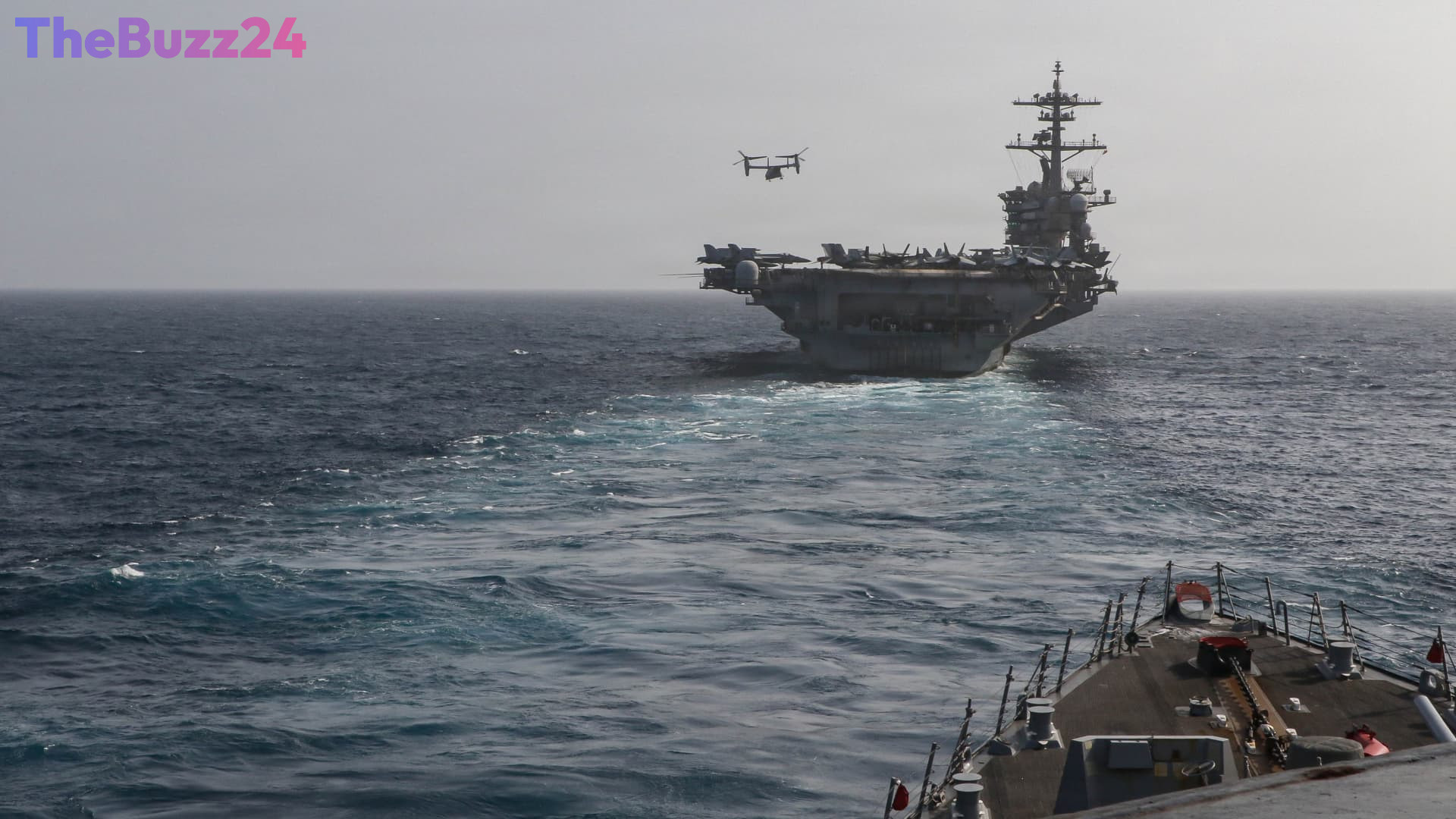
The United States military has conducted strikes against Iran for nine consecutive nights, intensifying a campaign aimed at disrupting Tehran’s ability to threaten commercial shipping in the critical Strait of Hormuz. The ongoing military actions, which concluded on Sunday evening, targeted Iranian military command centers, air defense installations, coastal surveillance sites, and maritime and missile/drone launch facilities. These operations are designed to degrade Iran’s capacity to attack civilian vessels and mariners transiting the vital waterway.
The human cost of the escalating conflict has become increasingly apparent. Over the weekend, U.S. forces reported the death of a third American service member, bringing the total U.S. personnel killed in the nearly five-month war to 17. The discovery of unidentified remains in Jordan following a service member’s missing-in-action status further underscores the dangers faced by American forces. Iranian authorities, meanwhile, have reported significant casualties from the renewed U.S. strikes this month, with at least 50 individuals killed and over 500 wounded.
The heightened hostilities have sent ripples through global markets, with Brent crude futures topping $90 a barrel and U.S. WTI futures also seeing a significant rise. Maritime traffic through the Strait of Hormuz, which previously handled approximately 20% of the world’s oil, has slowed considerably, reaching its lowest point in three weeks. This disruption, coupled with retaliatory attacks by Tehran on targets in neighboring countries like Bahrain and Saudi Arabia, and intercepted drone attacks in Kuwait, has fueled fears of a broader regional conflict. The U.S. embassy in Bahrain has issued warnings of potential Iranian targeting in the capital city, Manama.
Despite reports of significantly reduced shipping traffic, U.S. officials maintain that a substantial portion of pre-conflict flows, estimated at around two-thirds of normal levels or approximately 14 million barrels per day, continues to move through the chokepoint. However, the ambiguity surrounding a June memorandum of understanding between the warring powers has complicated de-escalation efforts, with disputes arising over alleged violations and the agreement’s continued validity. The conflict’s expansion to include strikes on civilian infrastructure, such as a desalination plant in Iran, has further exacerbated the humanitarian situation.
Key Takeaways
- The U.S. military has conducted nine consecutive nights of strikes against Iran targeting its maritime attack capabilities in the Strait of Hormuz.
- The conflict has resulted in rising casualties on both sides, with at least three U.S. service members killed and significant Iranian civilian and military losses reported.
- Escalating hostilities have led to a surge in oil prices and a significant slowdown in shipping traffic through the Strait of Hormuz, raising concerns about regional stability.
Editor’s Analysis & Impact
This sustained military engagement between the U.S. and Iran marks a dangerous escalation with significant geopolitical and economic ramifications. The repeated strikes, coupled with Iranian retaliation and threats, underscore the fragility of the region’s security. The impact on global oil markets is immediate and concerning, with prices reacting sharply to supply disruption fears. Beyond the economic impact, the rising human toll and the potential for a wider conflict threaten to destabilize the Middle East further. The ambiguity of existing agreements and the targeting of civilian infrastructure complicate any path toward de-escalation, suggesting a prolonged period of heightened tension and risk.
Frequently Asked Questions
Q: What is the Strait of Hormuz and why is it important?
A: The Strait of Hormuz is a narrow waterway connecting the Persian Gulf to the Gulf of Oman. It is a critical chokepoint for global oil transportation, with approximately 20% of the world's oil traffic passing through it before the recent conflict.
Q: What are the main objectives of the U.S. strikes against Iran?
A: The primary objective of the U.S. military strikes is to degrade Iran's ability to attack commercial shipping and civilian mariners in the Strait of Hormuz. This includes targeting command centers, air defense systems, and missile and drone launch sites.
Q: How have the recent hostilities affected global oil prices?
A: The escalating tensions and disruptions to shipping traffic in the Strait of Hormuz have led to a significant increase in oil prices. Brent crude futures have surpassed $90 a barrel, reflecting market concerns over potential supply shortages.
AI Disclosure: This article is based on verified data and official reports. Our Team and AI have cross-referenced every financial detail with primary sources to ensure total accuracy.
More from this Category