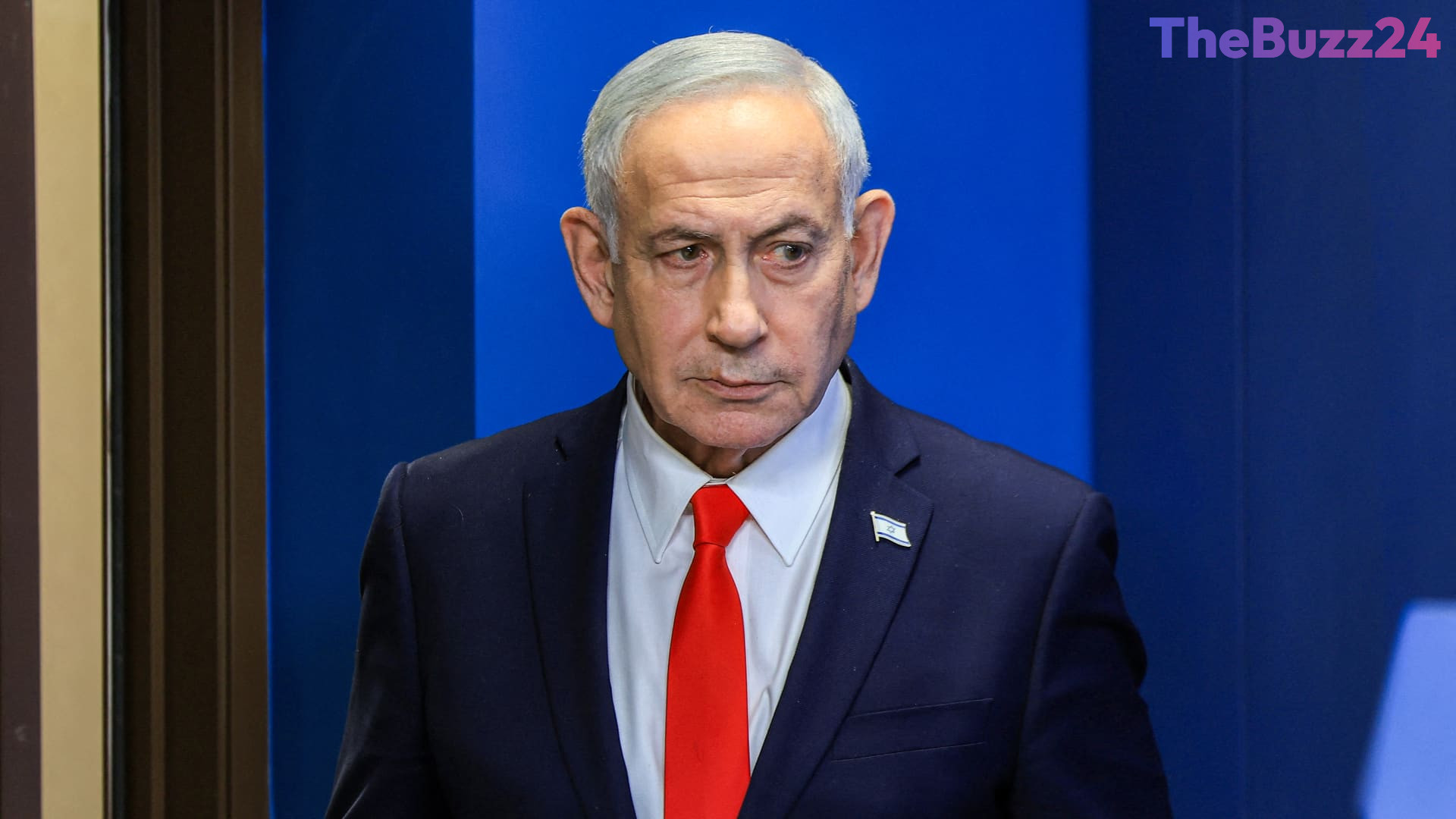
Trump Dismisses Potential Arrest of Netanyahu During Upcoming New York Visit
Former President Donald Trump has publicly rejected the notion that Israeli Prime Minister Benjamin Netanyahu could face arrest during his scheduled visit to New York for the United Nations General Assembly in September. Trump’s comments serve as a direct rebuttal to suggestions made by New York City Mayor Zohran Mamdani, who indicated that the city’s legal department had been exploring the feasibility of such an action.
Mamdani has been a vocal critic of the Israeli leadership, recently stating that he believes Netanyahu should be held accountable at The Hague. His comments follow an arrest warrant issued by the International Criminal Court (ICC) on November 21, 2024, which accuses the Prime Minister of war crimes and crimes against humanity related to the conflict in Gaza. Mamdani argued that the ICC’s charges reflect a widely held perspective regarding the humanitarian impact of the ongoing conflict.
In response, Trump took to social media to assert that Netanyahu would not be subject to arrest while on American soil. He framed the Prime Minister’s actions as part of a broader struggle against the Islamic Republic of Iran, while simultaneously dismissing the legitimacy of the ICC’s involvement. Netanyahu’s office has also pushed back, labeling the ICC a ‘kangaroo court’ and characterizing the warrant as a politically motivated maneuver, while criticizing Mamdani for attempting to deflect from local policy issues.
The diplomatic tension highlights the ongoing friction between international legal bodies and domestic political figures regarding the conflict in the Middle East. While the ICC maintains that its warrants carry international weight, the practical application of such warrants within the United States remains a point of significant legal and political contention, with high-level officials signaling that they will not facilitate the enforcement of international mandates against allied leaders.
Key Takeaways
- Donald Trump stated that Benjamin Netanyahu will not be arrested during his upcoming visit to New York for the UN General Assembly.
- New York City Mayor Zohran Mamdani suggested the city was reviewing the possibility of an arrest following an ICC warrant.
- The ICC issued an arrest warrant for Netanyahu in November 2024, alleging war crimes and crimes against humanity in Gaza.
Editor’s Analysis & Impact
The discourse surrounding the potential arrest of a sitting head of state by a municipal government underscores the complex intersection of international law and domestic sovereignty. While the ICC warrant creates a significant diplomatic hurdle, the United States is not a signatory to the Rome Statute, meaning it is under no legal obligation to execute ICC arrest warrants. Trump’s intervention reinforces a policy of shielding key allies from international legal scrutiny, which is consistent with long-standing U.S. foreign policy regarding the ICC. Moving forward, this situation highlights the growing divide between international human rights institutions and the political realities of global alliances. The rhetoric from both sides suggests that the ICC’s influence will continue to be a flashpoint in international relations, likely leading to further diplomatic strain between the U.S. and international judicial bodies.
Frequently Asked Questions
Q: Is the United States required to enforce ICC arrest warrants?
A: No, the United States is not a member of the International Criminal Court and is not legally bound to enforce its arrest warrants.
Q: What are the specific allegations against Benjamin Netanyahu by the ICC?
A: The ICC warrant alleges responsibility for war crimes, including the use of starvation as a method of warfare, and crimes against humanity such as murder and persecution.
AI Disclosure: This article is based on verified data and official reports. Our Team and AI have cross-referenced every financial detail with primary sources to ensure total accuracy.
More from this Category