Decoding Kevin Warsh: Fed Watchers Unpack New Chief’s Cryptic Phrases
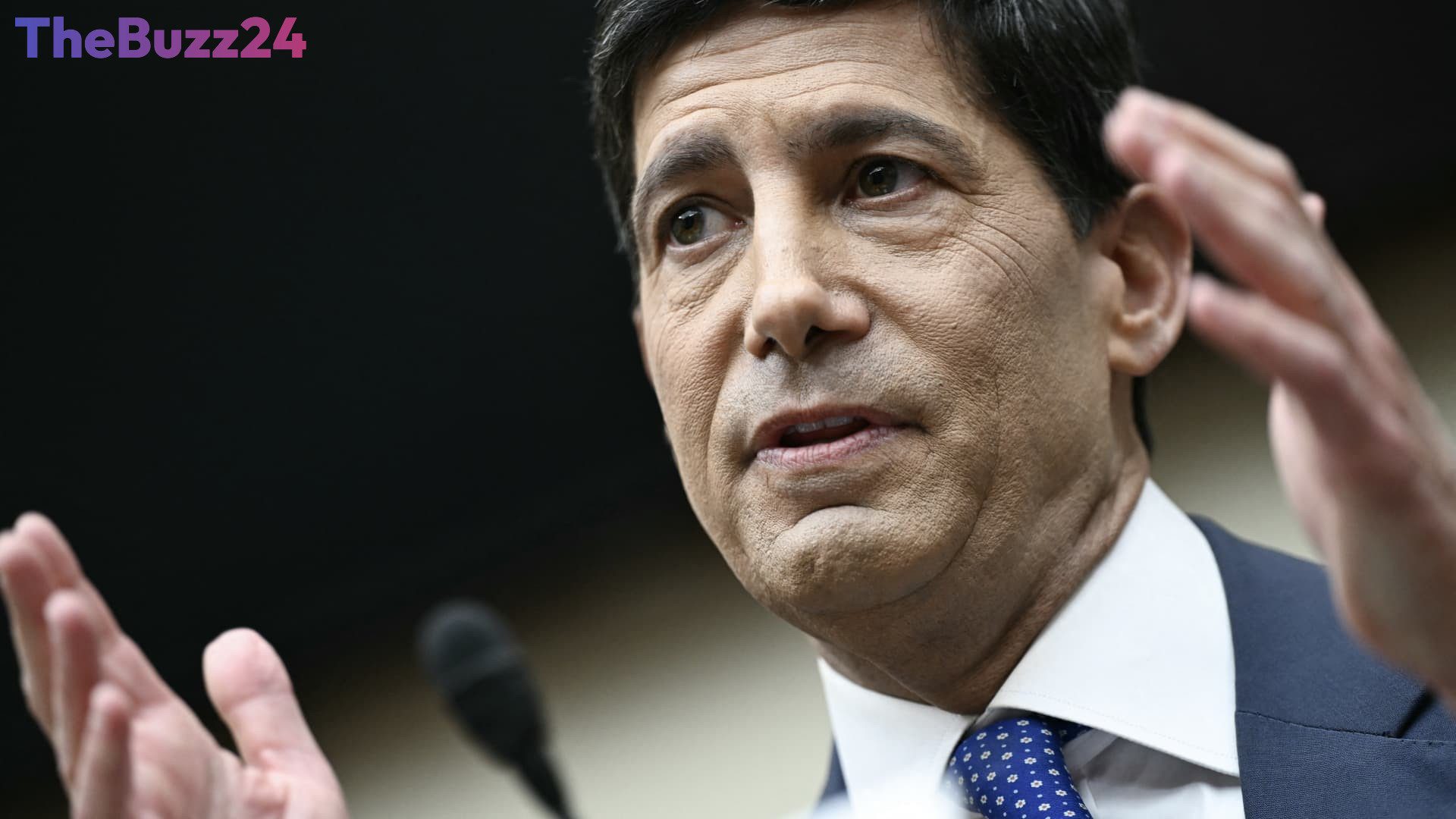
New Federal Reserve chief Kevin Warsh has adopted a distinctive communication style, frequently employing a select few phrases that have captured the attention of economists and market observers. Across numerous public appearances since his nomination, Warsh has repeatedly used expressions such as “family fight,” “first principles,” and “inflation is a choice.” While the exact implications of these phrases for monetary policy remain a subject of interpretation, their consistent use by a Fed leader known for his more concise public statements has elevated their significance.
Fed watchers are actively dissecting the meaning behind Warsh’s favored terminology. The phrase “family fight” appears to allude to the internal debates and disagreements within the Federal Open Market Committee (FOMC). Some analysts suggest this indicates Warsh’s desire for a more robust and open discussion of policy ideas, fostering an environment where prevailing assumptions can be challenged, ultimately aiming for improved decision-making processes. Others interpret it as a way for the Fed chief to acknowledge internal disagreements while emphasizing the need to keep such discussions within the committee, potentially deflecting external pressures.
Similarly, “first principles” is seen as a call to re-examine the fundamental underpinnings of monetary policy. This phrase suggests a willingness to question established practices and assumptions, potentially leading to a reassessment of the Fed’s operational framework, communication strategies, and even its broader role in the economy. Some experts believe this could signal a move towards a more “originalist” approach, questioning the expansion of the Fed’s responsibilities beyond its core monetary policy mandate, particularly in areas like regulatory policy and climate-related issues.
The statement “inflation is a choice, and the Fed must take responsibility for it” draws a direct line to the monetarist school of thought, particularly the ideas of Milton Friedman. This phrase implies that the Federal Reserve holds significant power and responsibility in managing inflation, suggesting a less tolerant stance towards explanations that attribute persistent inflation solely to external factors like supply shocks or fiscal policy. It underscores the Fed’s ultimate accountability for ensuring that aggregate demand aligns with aggregate supply, even in the face of short-term disruptions, and hints at a potential willingness to implement tighter monetary policy if necessary.
Key Takeaways
- New Federal Reserve chief Kevin Warsh consistently uses phrases like "family fight," "first principles," and "inflation is a choice."
- These phrases are interpreted by Fed watchers as indicators of Warsh's desire for more open internal debate, a fundamental re-evaluation of monetary policy, and a strong emphasis on the Fed's responsibility for inflation.
- The repeated use of these terms suggests a potential shift in the Fed's communication strategy and policy approach, moving towards greater introspection and accountability.
Editor’s Analysis & Impact
Kevin Warsh’s deliberate use of specific, recurring phrases signals a strategic effort to shape perceptions and potentially influence the direction of Federal Reserve policy. The “family fight” metaphor suggests a push for more vigorous internal debate, which could lead to more robust policy outcomes, though it also raises questions about transparency. “First principles” implies a deep-seated desire to question and potentially reform established monetary policy frameworks, which could have significant long-term implications for how the Fed operates and defines its mandate. Finally, “inflation is a choice” firmly places responsibility on the Fed, potentially signaling a more hawkish stance and less tolerance for external factors as excuses for price instability. This communication approach, while potentially opaque, underscores a commitment to a more fundamental and accountable approach to monetary policy.
Frequently Asked Questions
Q: What does Kevin Warsh mean by 'family fight'?
A: Fed watchers interpret "family fight" as Warsh's way of referring to the internal debates and disagreements within the Federal Open Market Committee (FOMC). It suggests a desire for more open discussion and challenging of assumptions within the committee.
Q: How is 'first principles' interpreted in the context of the Federal Reserve?
A: 'First principles' is seen as a call by Warsh to re-examine and question the fundamental assumptions and practices of monetary policy. It suggests a potential move towards rethinking the Fed's operational framework and its core mandate.
Q: What is the significance of Warsh's statement 'inflation is a choice'?
A: This phrase emphasizes the Federal Reserve's ultimate responsibility for managing inflation. It suggests a less forgiving approach to external factors as explanations for persistent inflation and implies the Fed must take action to ensure price stability, potentially through monetary policy adjustments.
AI Disclosure: This article is based on verified data and official reports. Our Team and AI have cross-referenced every financial detail with primary sources to ensure total accuracy.
More from this Category