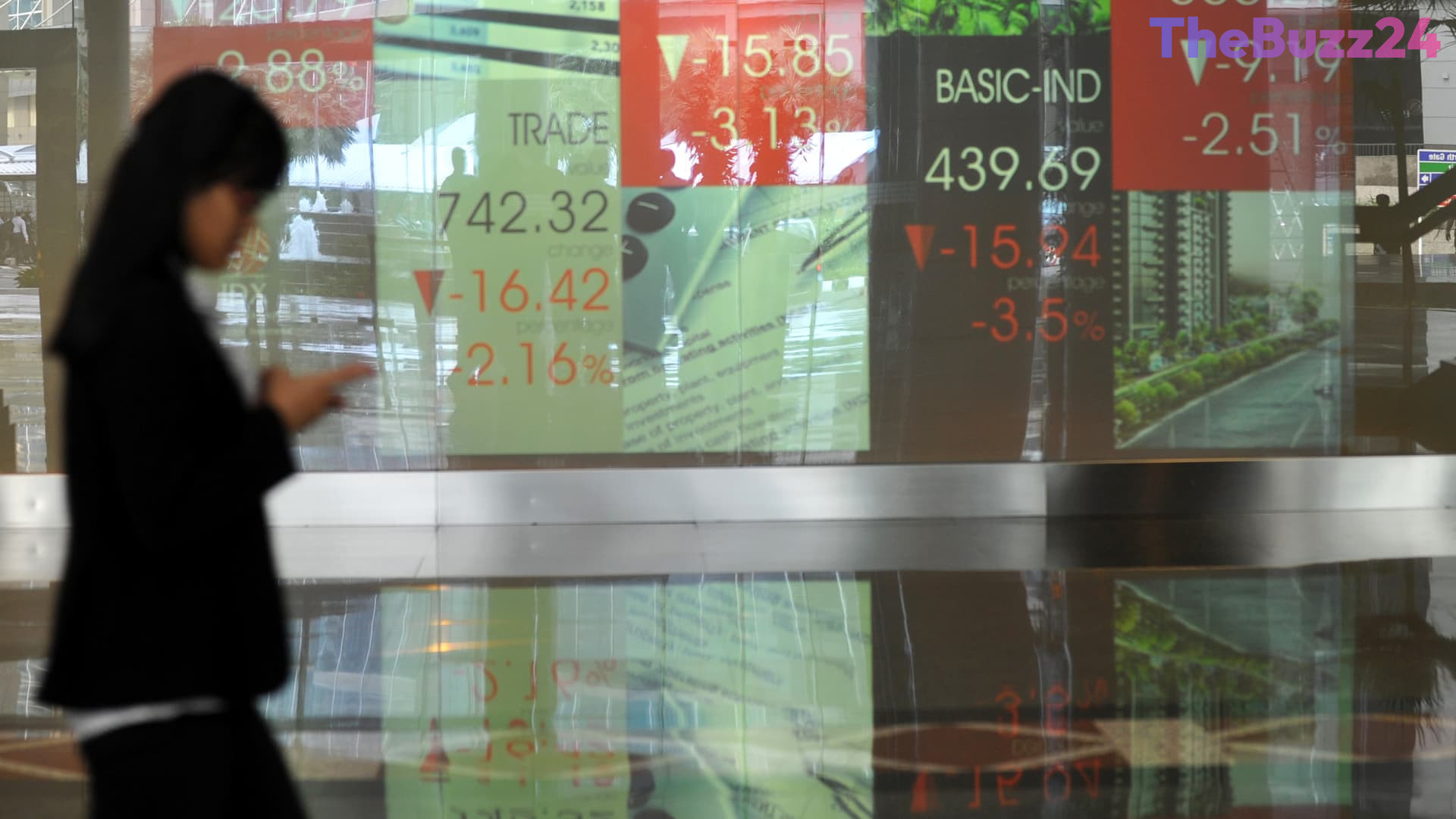
Indonesian Equities Surge into Bull Market Territory Following Five-Year Low
Indonesian stocks have staged a dramatic recovery, officially entering bull market territory just weeks after hitting a five-year low in early June. The Jakarta Stock Exchange Composite Index has climbed more than 10% from its recent trough, signaling a significant shift in investor sentiment as the market transitions from pricing in economic deterioration to anticipating stabilization.
The turnaround was largely catalyzed by a pivotal decision from MSCI to maintain Indonesia’s emerging-market status, effectively ending months of uncertainty regarding potential downgrades to frontier-market status. This move provided a much-needed sense of relief, halting the panic selling that had plagued the market throughout much of 2026. Concerns had previously centered on governance issues, specifically regarding low free floats and concentrated ownership structures, which had prompted index providers to scrutinize the market.
Beyond the MSCI decision, macroeconomic stability has played a crucial role in the rebound. S&P Global Ratings recently reaffirmed Indonesia’s BBB sovereign rating with a stable outlook, removing a significant macro overhang. Furthermore, domestic regulatory interventions—including new requirements for higher minimum free floats and stricter ownership disclosures—have successfully addressed long-standing concerns regarding liquidity and transparency. As investors rotate capital out of overvalued technology and AI sectors, Indonesia’s attractive valuations have made it an increasingly compelling destination for global funds.
Key Takeaways
- The Jakarta Stock Exchange Composite Index has officially entered bull market territory, gaining over 10% from its June lows.
- MSCI’s decision to retain Indonesia's emerging-market status was a primary driver in restoring investor confidence and halting sell-offs.
- Regulatory reforms targeting improved transparency and higher free-float requirements have helped mitigate concerns over market liquidity and governance.
Editor’s Analysis & Impact
The rapid recovery of the Indonesian stock market highlights a broader trend of capital rotation as global investors seek value in emerging markets that have been oversold. By addressing governance and liquidity concerns through proactive regulatory measures, Indonesia has successfully mitigated the risk of a frontier-market downgrade, which would have triggered significant institutional outflows. The reaffirmation of the country’s sovereign credit rating provides a stable foundation for continued growth. Looking ahead, the market’s trajectory will likely depend on the government’s ability to maintain fiscal discipline and sustain the momentum of tax revenue recovery. If these trends persist, Indonesia could continue to benefit from investors looking to diversify away from high-valuation tech sectors, positioning the nation as a resilient player in the emerging market landscape.
Frequently Asked Questions
Q: What defines the current bull market status for Indonesian stocks?
A: A bull market is generally defined by a rise of 10% or more from a recent market low. The Jakarta Stock Exchange Composite Index achieved this threshold following a period of heavy selling that bottomed out in early June 2026.
Q: Why were investors concerned about Indonesia's market status?
A: Investors were worried that MSCI might downgrade Indonesia from an 'emerging market' to a 'frontier market' due to concerns over corporate governance, specifically regarding low free-float shares and high ownership concentration.
AI Disclosure: This article is based on verified data and official reports. Our Team and AI have cross-referenced every financial detail with primary sources to ensure total accuracy.
More from this Category