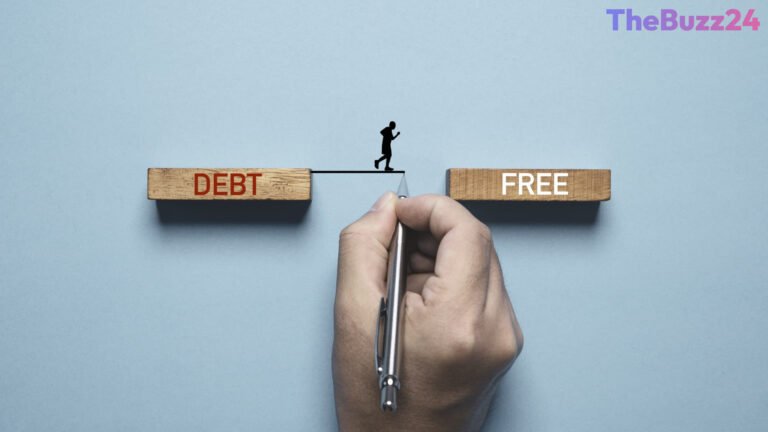
Smart Budget Strategies to Tackle Student Loan Debt on a Tight Financial Plan
With a significant portion of federal student loan borrowers falling behind on payments, managing debt has become an urgent priority for millions of households. Defaulting on these loans can severely damage credit scores and lead to aggressive collection measures like wage garnishment. However, high inflation and the mounting costs of everyday essentials often make it difficult to allocate extra funds toward debt repayment. Fortunately, several practical financial strategies can help borrowers free up hidden cash and make consistent headway on their balances without completely disrupting their daily lives.
One effective approach involves leveraging rewards from cash-back credit cards for everyday purchases such as groceries, fuel, and dining. By routing routine spending through a well-chosen rewards card and paying the balance in full each month to avoid interest charges, consumers can convert their everyday consumption into direct payments toward their student debt. Similarly, opening a new bank account that offers lucrative cash bonuses for direct deposits can provide an immediate financial windfall. Many institutions offer substantial welcome bonuses ranging from modest amounts to several hundred dollars for meeting straightforward deposit requirements, creating an instant reserve that can be applied directly to outstanding loan balances.
Beyond generating new streams of income, aggressively trimming existing monthly expenses remains one of the most reliable methods to accelerate debt reduction. Consumers can utilize modern budgeting applications and subscription management tools to audit their recurring charges, instantly identifying and eliminating unused services. For fixed utility, telecommunication, and insurance bills that cannot simply be canceled, automated negotiation services can advocate on behalf of consumers to secure lower rates or promotional discounts. Additionally, periodically comparing insurance policies through digital comparison platforms ensures that drivers and homeowners are not overpaying for coverage, allowing them to redirect the resulting monthly savings straight into their student loan principal.
Key Takeaways
- Roughly one in five federal student loan borrowers are currently in default, putting millions at risk of severe credit damage and wage garnishment.
- Using cash-back credit cards and capturing bank account welcome bonuses can generate extra funds for debt repayment without altering core spending habits.
- Auditing subscriptions, negotiating recurring household bills, and shopping around for lower insurance rates can quickly free up money to pay down balances.
Editor’s Analysis & Impact
The rising rate of student loan defaults highlights a broader economic strain currently impacting households navigating persistent inflation and elevated living costs. As government relief programs phase out and traditional repayment structures resume, consumers are increasingly forced to find creative liquidity within tight budgets. This environment has fueled the growth of financial technology tools—ranging from automated subscription cancellers to AI-driven insurance comparison platforms—that empower individuals to optimize their cash flow. Moving forward, the intersection of personal debt management and automated financial apps will likely expand, as consumers demand more efficient ways to manage multiple financial liabilities simultaneously without sacrificing their baseline standard of living.
Frequently Asked Questions
Q: How does using a cash-back credit card help pay off student loans?
A: By using a cash-back card for everyday essentials like groceries and gas, you earn rewards that can be redeemed as a statement credit or deposited into a bank account to make extra student loan payments, provided you pay the card balance in full each month.
Q: Can bank account bonuses really make a difference in paying down debt?
A: Yes, many banks offer cash welcome bonuses ranging from $50 to several hundred dollars for setting up direct deposits or meeting minimum balance requirements, which can serve as a lump sum to jump-start your debt reduction goals.
Q: What are some ways to cut monthly expenses if money is tight?
A: You can use budgeting and subscription management apps to find and cancel unused recurring services, have negotiation services lower your phone and internet bills, or use insurance comparison tools to find cheaper auto or home insurance rates.
AI Disclosure: This article is based on verified data and official reports. Our Team and AI have cross-referenced every financial detail with primary sources to ensure total accuracy.
More from this Category