Capital Rotates from AI to Crypto Stocks as Bitcoin Miners Face Infrastructure Headwinds
Digital asset equities experienced a notable surge on Monday, defying a broader market downturn. This upward momentum was fueled by a significant capital rotation, as investors pulled funds out of semiconductor and artificial intelligence infrastructure stocks amid growing concerns over circular financing and high capital expenditure requirements. While traditional tech and chipmakers faced downward pressure, alternative digital asset themes emerged as primary beneficiaries of this risk repricing.
Leading the charge in the crypto sector was Bitmine Immersion, which jumped 11% following its acquisition of nearly 10,000 ether tokens, valued at approximately $19.4 million. Other firms focused on Ethereum treasuries, such as Sharplink Gaming, also saw gains, rising 6%. Meanwhile, Bitcoin treasury pioneer Strategy climbed 7% after choosing to bolster its cash reserves for the fifth consecutive week rather than purchasing more cryptocurrency. Major industry players like Coinbase Global, BitGo, and Figure Technology posted gains between 4% and 6%. Additionally, stablecoin issuer Circle Internet Group rose 2% after securing IBM’s global portfolio of over 1,000 blockchain patents.
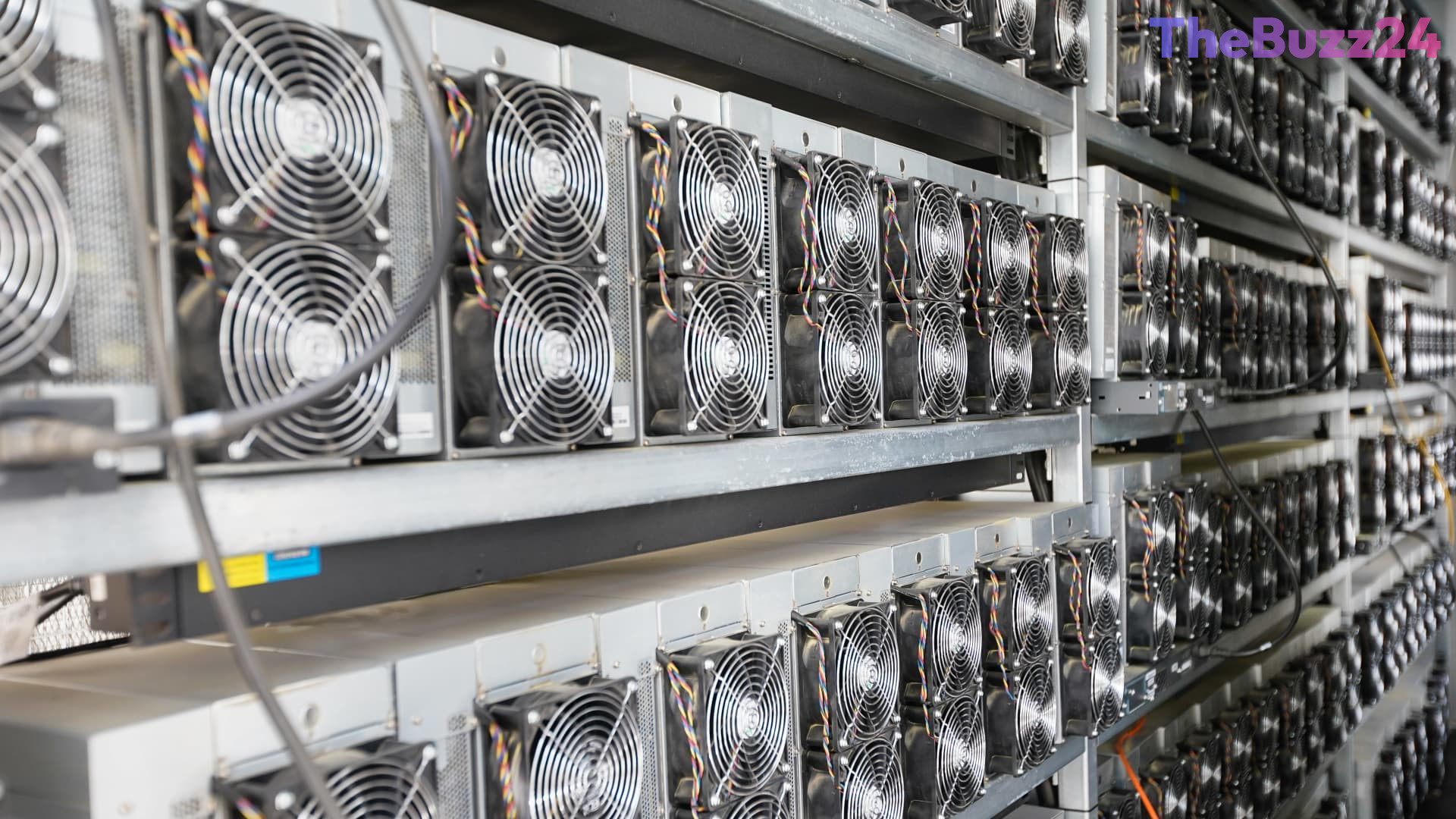
In contrast to the broader crypto rally, public bitcoin mining companies suffered uniform losses. Cipher Mining dropped 8%, while Hut 8 and Terawulf fell 4% and 6% respectively. Even pure-play miners like Riot Platforms, Mara Holdings, and CleanSpark closed lower. This divergence highlights a shifting investor perception; many publicly traded miners are now valued as digital infrastructure and energy asset owners rather than simple cryptocurrency producers. Consequently, they are increasingly exposed to the same capital expenditure anxieties and credit limitations currently weighing down the AI and hardware sectors.
The market shift occurred alongside falling oil prices and lower Treasury yields. Concerns regarding the massive capital required to fund AI data centers—highlighted by Nvidia’s reported talks to back OpenAI’s new facility in Ohio—have raised questions about whether credit appetite for these massive infrastructure projects is reaching its limit. While Bitcoin remained relatively flat below the $65,000 mark, Ether managed a modest gain of over 1%, trading around $1,900.
Key Takeaways
- Capital rotated from AI infrastructure and chip stocks into crypto equities, driving gains for major digital asset firms.
- Bitcoin mining stocks fell sharply, as investors increasingly link their valuation to capital-intensive AI and digital infrastructure sectors.
- Circle Internet Group expanded its intellectual property by acquiring more than 1,000 blockchain-related patents from IBM.
Editor’s Analysis & Impact
The recent divergence between crypto treasury stocks and bitcoin miners highlights a critical evolution in how the market values digital infrastructure. For years, bitcoin miners were viewed as direct proxies for the underlying cryptocurrency. However, their pivot toward high-performance computing (HPC) and AI hosting has bound their financial destiny to the broader tech infrastructure cycle. As investors grow wary of the massive capital expenditures and potential dilution required to build out AI data centers, miners are experiencing the collateral damage of a broader tech cooling. Conversely, pure-play crypto firms and treasury-holding companies are benefiting from a flight to liquidity and alternative assets. This trend suggests that while the long-term outlook for AI compute remains structurally strong, near-term capital constraints will force a sharp distinction between asset-light crypto plays and capital-intensive infrastructure providers.
Frequently Asked Questions
Q: Why did crypto stocks rise while bitcoin miners fell?
A: Investors rotated capital out of expensive AI and chip infrastructure stocks into liquid crypto equities. However, because bitcoin miners are increasingly valued for their energy contracts and data center assets, they were dragged down by the same capital expenditure and credit concerns affecting the AI sector.
Q: What major acquisition did Circle Internet Group announce?
A: Circle acquired IBM's global portfolio of more than 1,000 blockchain-related patents, though the financial details of the transaction were not disclosed.
Q: How did the underlying cryptocurrencies perform during this stock rotation?
A: The underlying digital assets saw modest movements compared to the equities market; Bitcoin remained relatively stable below $65,000, while Ether rose slightly over 1% to trade around $1,900.
AI Disclosure: This article is based on verified data and official reports. Our Team and AI have cross-referenced every financial detail with primary sources to ensure total accuracy.
More from this Category