Inside the Cocaine Superhighway: Ecuador’s Brutal War Against Cartel Influence
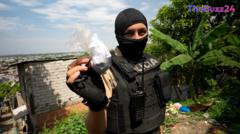
In the embattled city of Durán, Ecuador, law enforcement officials are engaged in a high-stakes struggle against deeply entrenched criminal organizations. Police Captain Jean Carlos Bustamante, who leads a specialized unit, describes a landscape where the threat is twofold: the violent gangs that control local neighborhoods and the pervasive corruption within state institutions. According to officers on the ground, criminal syndicates have successfully infiltrated political and judicial circles, often using their vast financial resources to bribe officials and secure early releases for detained members.
Ecuador has transformed into a critical transit point for the global drug trade, with an estimated 70% of cocaine destined for the United States and Europe passing through its borders. The nation’s strategic location, combined with porous borders and underfunded security infrastructure, has allowed local gangs to form lucrative partnerships with international cartels, including Mexican and Albanian syndicates. This influx of illicit wealth has fueled a surge in violence, turning a once-peaceful nation into a volatile battleground where murder rates have reached alarming levels.
Despite aggressive government crackdowns and the arrest of high-profile crime bosses, the situation remains precarious. The fragmentation of major gangs has led to a proliferation of smaller, more unpredictable factions, making the conflict increasingly difficult to manage. While some police units report a reduction in specific violent crimes and a slight improvement in public safety, the cycle of retribution continues. For those on the front lines, the war is not just about tactical raids; it is a systemic battle against an enemy that operates with impunity, often staying steps ahead of the law through internal informants and systemic corruption.
As the conflict persists, the human cost continues to mount, with local communities living in constant fear of stray bullets and forced recruitment. While authorities remain committed to reclaiming control, the reality on the ground suggests a long-term struggle. Criminal leaders, emboldened by the profitability of the drug trade, remain defiant, suggesting that the cycle of violence is unlikely to dissipate as long as the global demand for narcotics remains high.
Key Takeaways
- Ecuador has become a primary transit hub for global cocaine trafficking, facilitating 70% of the supply reaching the US and Europe.
- Systemic corruption within the judicial and political systems allows gang members to evade long-term imprisonment and maintain operational control.
- The government's crackdown has led to the fragmentation of large cartels into smaller, more numerous, and highly volatile criminal groups.
Editor’s Analysis & Impact
The situation in Ecuador serves as a stark case study in how global drug demand destabilizes developing nations. The ‘cocaine superhighway’ phenomenon highlights a failure in regional security cooperation and the dangerous intersection of organized crime with state governance. From a market perspective, the resilience of these gangs despite aggressive military-style interventions suggests that traditional ‘war on drugs’ tactics—focused primarily on arrests and seizures—are insufficient when the underlying economic incentives remain untouched. Future stability will likely depend on judicial reform and the ability of the state to purge corruption from its own ranks. Without addressing the ‘enemy within,’ tactical police successes will remain temporary, and the country risks further erosion of its social fabric as criminal entities continue to exploit institutional weaknesses.
Frequently Asked Questions
Q: Why has Ecuador become a major hub for cocaine trafficking?
A: Ecuador's long Pacific coastline, weak border controls, and proximity to major drug-producing nations like Colombia and Peru make it an ideal transit point for international cartels.
Q: How do gangs maintain power despite government crackdowns?
A: Gangs utilize their significant financial resources to bribe police, judges, and politicians, ensuring they receive early warnings about raids and securing the release of arrested members through a compromised judicial system.
AI Disclosure: This article is based on verified data and official reports. Our Team and AI have cross-referenced every financial detail with primary sources to ensure total accuracy.
More from this Category