Boeing Reports Q2 Loss as Air Force One Cost Overruns Counter Revenue Gains
Boeing registered a broader-than-anticipated net loss for the second quarter, largely dragged down by fresh financial headwinds in its defense division, including a $280 million charge on the long-delayed Air Force One presidential jet project. Despite the setback, the aerospace manufacturer narrowed its overall net loss relative to the same period last year, posting an 8% increase in revenue to $24.56 billion across its primary operational divisions.
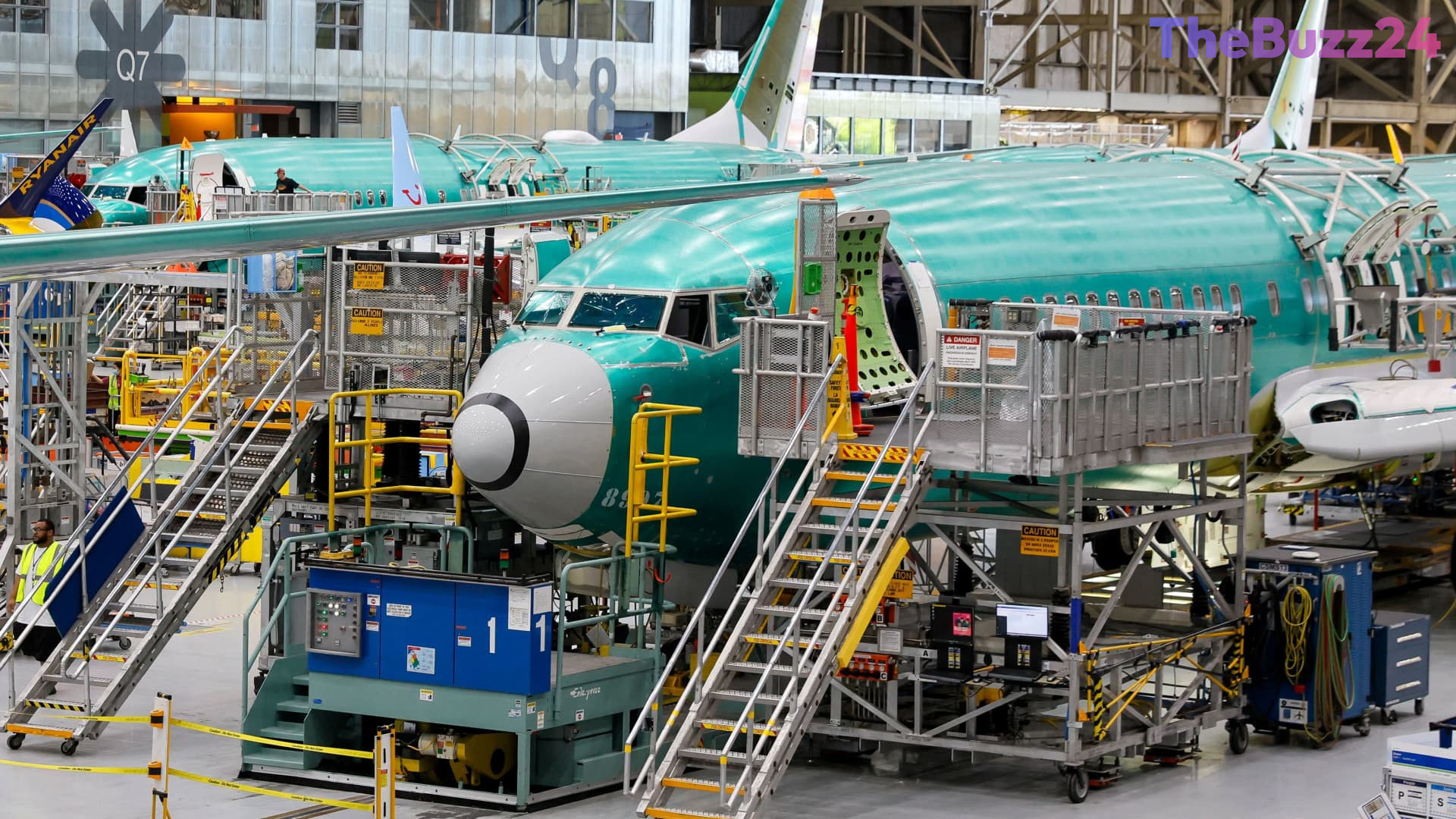
The company’s commercial aircraft segment showed signs of momentum as deliveries rose to 171 airplanes during the three-month period, up 14% from 150 aircraft a year prior. Production of the flagship 737 Max narrow-body jet has scaled to 47 units per month, with management planning additional output increases. Boosted by these deliveries, Boeing generated $631 million in free cash flow, significantly outperforming market expectations of a cash burn.
However, ongoing fixed-price defense contracts remain a heavy burden on financial results. Executive leadership emphasized that additional engineering and operational resources are being deployed to ensure the next-generation presidential aircraft meet their projected 2028 delivery target. Looking ahead, the company is preparing for key regulatory milestones, including expected certifications for the 737 Max 7, the 737 Max 10, and the long-haul 777X jetliner.
Key Takeaways
- Boeing took a $280 million charge on the Air Force One defense project, leading to a wider-than-expected quarterly loss.
- Quarterly revenue rose 8% to $24.56 billion, buoyed by a 14% increase in commercial plane deliveries.
- Free cash flow reached positive $631 million, significantly beating analyst projections of a cash burn.
Editor’s Analysis & Impact
Boeing’s latest financial results demonstrate a clear divide between its recovering commercial aviation division and its troubled defense contracts. While commercial delivery volume and positive cash flow signal structural recovery, legacy fixed-price government contracts continue to erode profit margins due to cost overruns and delays. Chief Executive Kelly Ortberg’s focus on devoting extra resources to resolve the Air Force One schedule reflects an aggressive push to close out legacy liabilities. In the medium term, sustained recovery will hinge on maintaining stable 737 Max production rates, successfully obtaining FAA certification for the Max 7, Max 10, and 777X models, and preventing further defense-related write-downs.
Frequently Asked Questions
Q: What primary factor caused Boeing's Q2 earnings shortfall?
A: The primary drag on Boeing's quarterly earnings was a $280 million charge associated with higher costs and delays on the contract to build two new Air Force One jets.
Q: How did Boeing's commercial airplane segment perform during the quarter?
A: Commercial deliveries rose 14% year-over-year to 171 planes, driven by increased production of the 737 Max, which generated an 8% surge in overall revenue.
Q: When is the new Air Force One aircraft scheduled for delivery?
A: Boeing currently expects the first next-generation Air Force One aircraft to be delivered in 2028.
AI Disclosure: This article is based on verified data and official reports. Our Team and AI have cross-referenced every financial detail with primary sources to ensure total accuracy.
More from this Category