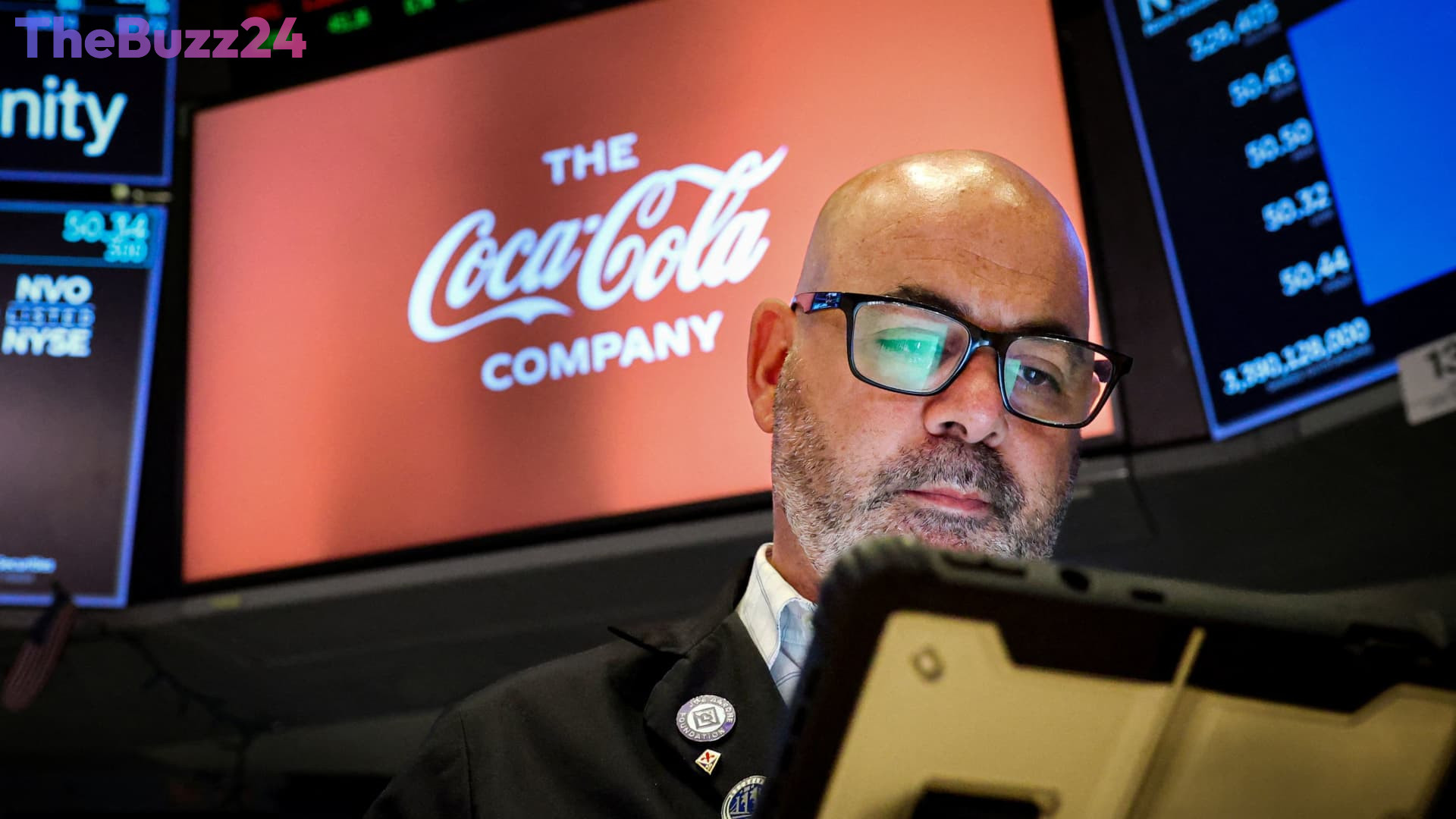
Coca-Cola Surpasses Expectations, Boosts Full-Year Outlook Fueled by World Cup Success
Coca-Cola has announced robust second-quarter financial results, exceeding analyst expectations for both earnings and revenue. The global beverage giant also revealed an upward revision to its full-year financial forecast, signaling strong consumer demand for its diverse product portfolio.
Despite broader economic uncertainties and inflationary pressures impacting consumer spending in other sectors, Coca-Cola experienced a significant surge in demand for its beverages. The company’s CEO, Henrique Braun, highlighted the recent FIFA World Cup as a key driver for brand visibility and sales, particularly for its Powerade sports drink during “hydration breaks.” This strategic marketing during a major global event appears to have resonated strongly with consumers.
The company’s updated outlook projects comparable earnings per share growth between 9% and 10%, an increase from the previous 8% to 9% projection. Furthermore, Coca-Cola anticipates organic revenue to grow by approximately 5%, aligning with the higher end of its earlier 4% to 5% forecast. This positive revision underscores the company’s confidence in sustained demand and effective market strategies.
Coca-Cola reported net sales of $13.38 billion, a 7% increase year-over-year, and a 6% rise in organic revenue. Global unit case volume saw a healthy 5% increase, with growth observed across all reporting segments. Notably, the namesake Coca-Cola brand experienced its largest quarterly volume jump in 17 years (excluding pandemic impacts), increasing by 5%, while Coca-Cola Zero Sugar saw a remarkable 16% volume increase. The relaunch of Mr. Pibb also contributed significantly, with a 20% volume climb.
Key Takeaways
- Coca-Cola's second-quarter earnings and revenue surpassed market expectations.
- The company has raised its full-year financial forecast due to strong demand, partly attributed to the World Cup.
- Key brands like Coca-Cola and Coca-Cola Zero Sugar experienced significant volume growth.
Editor’s Analysis & Impact
Coca-Cola’s latest financial report demonstrates remarkable resilience in a challenging economic climate. The company’s ability to not only meet but exceed expectations, while simultaneously raising its full-year outlook, highlights the strength of its brand portfolio and effective marketing strategies. The success during the World Cup, particularly for Powerade and core Coca-Cola products, underscores the power of major sporting events in driving consumer engagement and sales. This performance suggests that while consumers may be cautious in some spending areas, they remain loyal to established beverage brands, especially those associated with popular cultural moments. The company’s strategic focus on diverse segments, including sparkling soft drinks and sports beverages, appears to be paying off, positioning Coca-Cola favorably for continued growth.
Frequently Asked Questions
Q: What factors contributed to Coca-Cola's strong second-quarter performance?
A: Coca-Cola's strong performance was driven by higher demand for its drinks, exceeding Wall Street expectations. The company specifically cited the boost from the FIFA World Cup, which increased brand visibility and sales, particularly for Powerade and its namesake soda. Overall global unit case volume increased by 5%.
Q: How has Coca-Cola adjusted its full-year financial forecast?
A: Coca-Cola has raised its full-year outlook. The company now projects comparable earnings per share growth of 9% to 10%, up from its previous forecast of 8% to 9%. It also expects organic revenue to increase by about 5%, at the higher end of its earlier 4% to 5% range.
Q: Which Coca-Cola brands saw significant volume growth in the second quarter?
A: Several brands experienced notable volume increases. The Coca-Cola brand itself saw its biggest quarterly jump in 17 years (excluding pandemic impacts) at 5%. Coca-Cola Zero Sugar volume climbed 16%, and the relaunched Mr. Pibb saw a 20% volume increase. Powerade volume also climbed 8%.
AI Disclosure: This article is based on verified data and official reports. Our Team and AI have cross-referenced every financial detail with primary sources to ensure total accuracy.
More from this Category