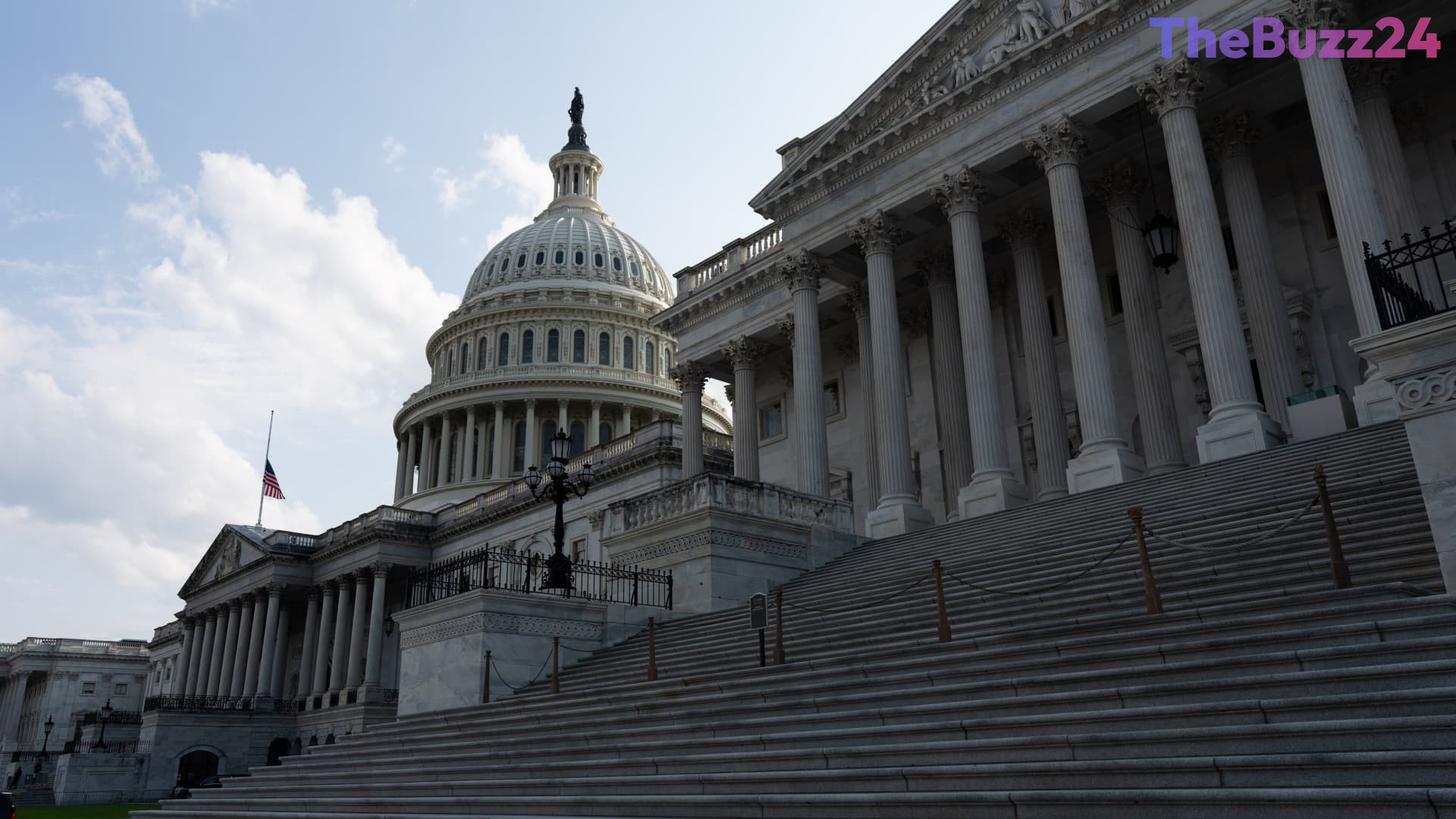
Bipartisan Push in Congress Aims to Close Multi-Billion Dollar Crypto Tax Loophole
Lawmakers are intensifying efforts to eliminate a prominent tax loophole that currently exempts digital assets such as bitcoin and ether from traditional “wash sale” regulations. While traditional financial instruments like stocks and bonds face strict anti-abuse rules preventing investors from claiming tax breaks while immediately repurchasing assets, cryptocurrencies have largely bypassed these restrictions due to their classification as property rather than securities.
The legislative push, featuring measures such as the Applying Existing Tax Anti-Abuse Rules to Digital Assets Act introduced by Representative Jodey Arrington, highlights a rare moment of bipartisan consensus regarding cryptocurrency oversight. Treasury Department projections indicate that extending wash sale rules to cover digital assets could generate nearly $24 billion in federal revenue over the course of a decade. This renewed legislative focus coincides with significant market downturns, leaving numerous investors sitting on unrealized losses and making the tax-loss harvesting loophole particularly attractive.
Under current tax frameworks, direct holders of cryptocurrencies can sell assets to claim capital losses and offset other investment gains without actually altering their underlying market exposure. In contrast, investors utilizing regulated financial products like crypto exchange-traded funds (ETFs) are already bound by traditional wash sale provisions because ETFs legally function as securities. Industry experts note that while passing comprehensive tax packages faces hurdles amid upcoming legislative cycles, the growing momentum signals a clear shift toward aligning digital asset taxation with conventional financial markets.
Key Takeaways
- Lawmakers are advancing bipartisan legislation to apply wash sale rules to cryptocurrencies like bitcoin and ether.
- The Treasury Department estimates that closing this tax loophole could raise close to $24 billion over ten years.
- While direct crypto holdings currently bypass wash sale rules, investors using crypto ETFs are already subject to them.
Editor’s Analysis & Impact
The ongoing legislative attempt to close the cryptocurrency wash sale loophole marks a critical maturation phase for digital asset regulation. For years, the classification of crypto as property rather than securities created a distinct regulatory arbitrage opportunity, allowing investors to harvest tax losses without divesting from their preferred positions. As digital assets become increasingly integrated into mainstream portfolios, federal lawmakers are naturally inclined to harmonize tax treatment across all financial instruments, especially as governments search for viable budget-raisers. While immediate passage of these sweeping tax changes may stall due to broader political timelines, the shifting sentiment points toward a more regulated, standardized future for crypto taxation. Institutional investors and individual traders alike must prepare for an environment where digital assets face the exact same anti-abuse scrutiny as equities and bonds.
Frequently Asked Questions
Q: What is a wash sale rule?
A: A wash sale rule is a regulation that prevents investors from selling a security at a loss to claim a tax deduction while simultaneously buying back the same or a substantially identical security within a 30-day window.
Q: Why hasn't crypto traditionally been subject to wash sale rules?
A: Cryptocurrency has historically been classified by the federal government as property rather than as a security, meaning it fell outside the legal scope of decades-old wash sale regulations designed for traditional financial markets.
Q: Do all crypto investors avoid wash sale restrictions?
A: No. Investors who hold cryptocurrency through regulated financial products like crypto exchange-traded funds (ETFs) are subject to wash sale rules because those funds legally qualify as securities.
AI Disclosure: This article is based on verified data and official reports. Our Team and AI have cross-referenced every financial detail with primary sources to ensure total accuracy.
More from this Category