Elon Musk’s xAI Challenges Minnesota Law Banning AI-Generated Nudity
Elon Musk’s artificial intelligence venture, xAI, has filed a lawsuit against Minnesota Attorney General Keith Ellison, seeking to overturn a recently enacted state law that prohibits the creation and distribution of non-consensual sexualized imagery generated by AI. The lawsuit, lodged in a federal court in Minnesota, contends that the statute represents an overly broad restriction on free speech and the visual expression tools afforded by technology.
The Minnesota law, set to take effect this Saturday, specifically targets applications and websites that enable users to produce explicit, non-consensual sexualized images. Penalties for violations are severe, with fines of up to $500,000 for each instance of explicit deepfake creation. This legislation was reportedly inspired by a case where an individual used social media photos of over 80 women without their consent to generate compromising imagery.
Attorneys for xAI argue that the Minnesota statute infringes upon First Amendment protections and that the proposed penalties are disproportionately high. They estimate that a business whose users generated 100,000 prohibited images could face fines totaling $50 billion. This legal challenge echoes a similar suit xAI filed against a California law aimed at restricting AI-generated deepfake content, which saw partial success when a federal judge invalidated provisions related to election-time deepfakes.
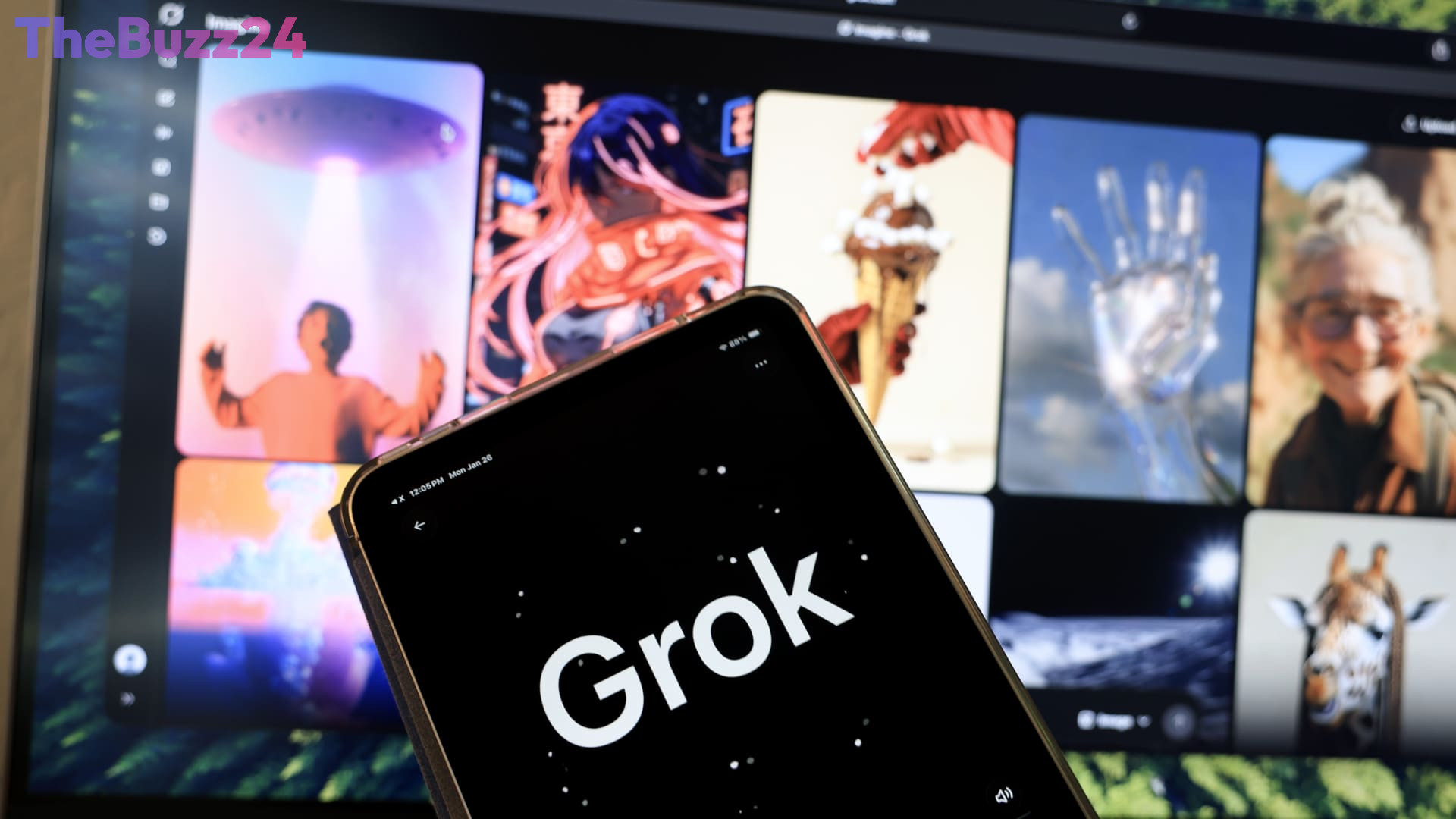
This legal action comes amidst separate allegations against xAI, including a proposed class-action lawsuit claiming its Grok AI chatbot and image generator were used to create and disseminate child sexual abuse material. The suit also alleges that xAI failed to report perpetrators who utilized Grok for generating non-consensual explicit images. xAI maintains that it has strict policies against such content generation and actively pursues users who bypass its safety measures.
Key Takeaways
- xAI is suing Minnesota to block a new law banning AI-generated non-consensual sexualized imagery.
- The lawsuit argues the law violates free speech rights and imposes excessive penalties.
- This legal challenge follows a similar suit against a California law and comes amid separate allegations regarding xAI's AI tools.
Editor’s Analysis & Impact
This lawsuit highlights the escalating legal and ethical battles surrounding generative AI technology. xAI’s challenge to Minnesota’s law underscores the tension between regulating harmful AI-generated content and protecting freedom of expression and technological innovation. The immense potential penalties underscore the financial risks companies face as these laws are enacted. The broader implications suggest a coming wave of litigation and regulatory scrutiny as society grapples with the capabilities and potential misuse of advanced AI, particularly concerning deepfakes and non-consensual imagery. This could shape the future development and deployment of AI tools globally.
Frequently Asked Questions
Q: What is the main purpose of the Minnesota law xAI is challenging?
A: The Minnesota law aims to ban the creation and distribution of non-consensual sexualized imagery generated by artificial intelligence, often referred to as 'nudify' apps or deepfakes.
Q: What are xAI's primary arguments against the Minnesota law?
A: xAI argues that the law is an unconstitutional, overbroad restriction on free speech and that the penalties it imposes are excessively steep, potentially leading to crippling financial liabilities for the company.
Q: Has xAI taken similar legal action before?
A: Yes, xAI has filed a similar lawsuit challenging a California law designed to restrict AI-generated deepfake content, and a federal judge partially struck down that law.
AI Disclosure: This article is based on verified data and official reports. Our Team and AI have cross-referenced every financial detail with primary sources to ensure total accuracy.
More from this Category