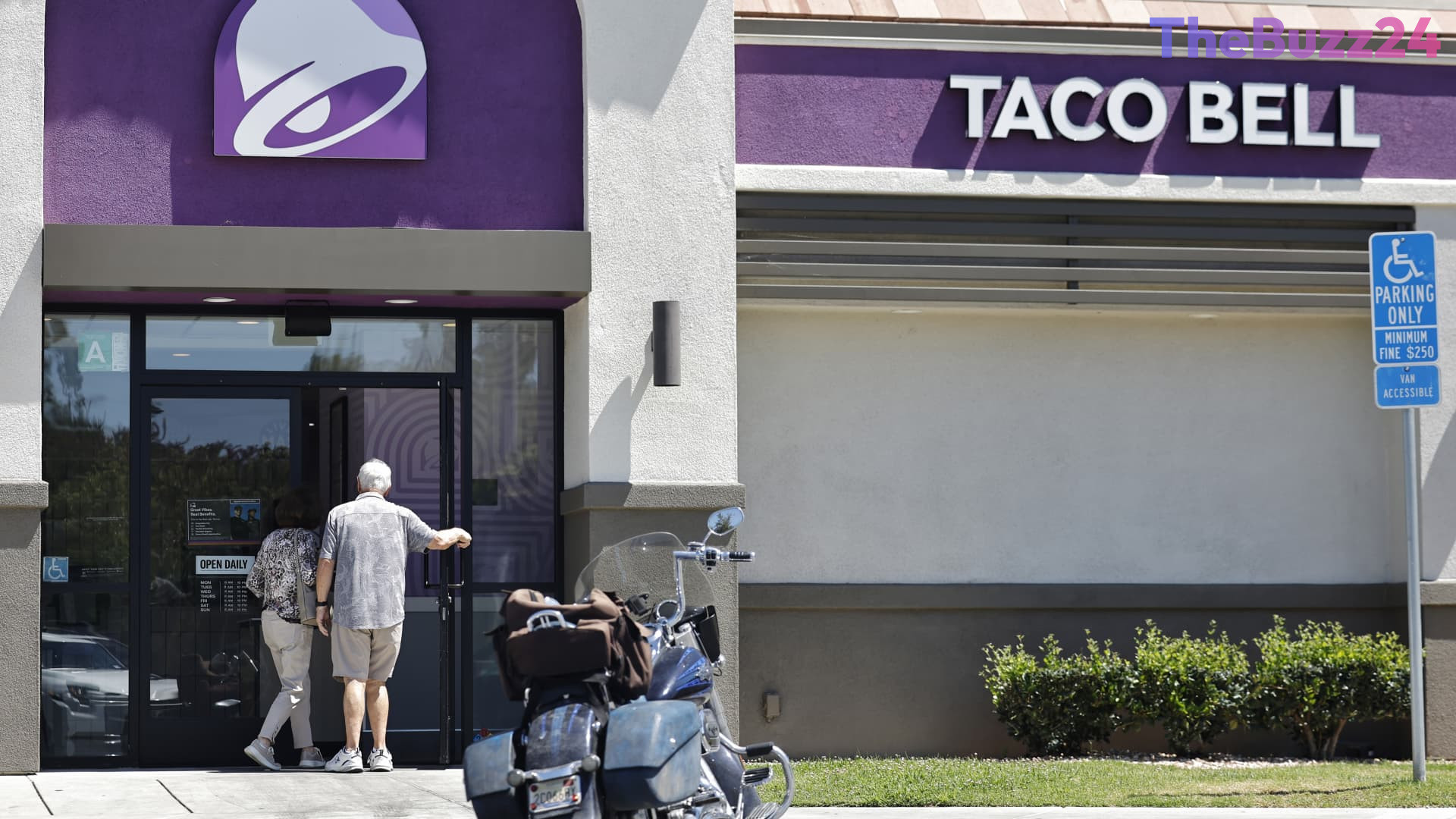
Taco Bell Parasite Outbreak Casts Shadow Over Yum Brands Earnings as Customer Traffic Plummets
Yum Brands faces a challenging financial landscape as its upcoming quarterly earnings report is overshadowed by a severe cyclosporiasis outbreak linked directly to Taco Bell locations. Federal health agencies have traced the parasitic infections to iceberg lettuce supplied by Taylor Farms, resulting in nearly 2,000 reported illnesses and dozens of hospitalizations. Consequently, daily foot traffic at the popular Mexican-inspired fast-food chain has experienced a double-digit decline, dragging Yum’s market value down significantly.
The health crisis arrives at a precarious time for the parent company, which relies heavily on Taco Bell as a primary growth driver alongside KFC’s international portfolio. With domestic sales for KFC facing headwinds and recent divestitures narrowing the company’s core restaurant offerings, executive leadership is under immense pressure from Wall Street analysts to address the fallout. Several financial institutions have already revised their expectations downward for the latter half of the year, anticipating softer performance as the brand works to rebuild consumer trust.
In response to the health emergency, Taco Bell leadership acted swiftly by removing the affected iceberg lettuce from its supply chain and issuing public apologies outlining new safety commitments. To incentivize returning customers, the chain has rolled out aggressive value promotions, offering cult-favorite menu items for a dollar. While public health officials continue monitoring the spread, industry observers are drawing comparisons to past food safety crises at rival chains like Chipotle and McDonald’s, noting that swift transparency and operational overhauls are often vital to restoring long-term customer loyalty and financial recovery.
Key Takeaways
- A cyclosporiasis outbreak tied to iceberg lettuce at Taco Bell has sickened nearly 2,000 people and severely impacted daily store traffic.
- Yum Brands faces downwardly revised financial estimates for the back half of the year as Wall Street evaluates the long-term impact on customer confidence.
- Taco Bell has responded by pulling affected ingredients, issuing open letters from leadership, and launching aggressive dollar-menu promotions to win back patrons.
Editor’s Analysis & Impact
Foodborne illness outbreaks represent one of the most volatile risks in the quick-service restaurant sector, capable of eroding brand equity and customer foot traffic within a matter of days. For Yum Brands, the timing of this crisis threatens to derail the momentum of its most reliable domestic growth engine. While historical precedents like Chipotle show that severe outbreaks can depress sales for years without deep operational overhauls, more recent analogues—such as McDonald’s E. coli incident—suggest that swift supply chain adjustments and aggressive marketing can accelerate a rebound. The critical variable for Taco Bell will be maintaining transparent communication and ensuring zero tolerance for recurring safety lapses as it navigates the back half of the fiscal year.
Frequently Asked Questions
Q: What caused the recent health outbreak at Taco Bell?
A: Federal health agencies identified iceberg lettuce supplied by Taylor Farms as the likely source of the cyclosporiasis outbreak linked to Taco Bell restaurants.
Q: How is Taco Bell working to win back customers?
A: Taco Bell removed the affected ingredients, issued public apology letters focusing on transparency, and launched aggressive value promotions featuring popular items for one dollar.
Q: How have financial analysts reacted to the crisis?
A: Several industry analysts have revised their earnings estimates downward for Yum Brands for the latter half of the year, anticipating weaker sales and traffic figures.
AI Disclosure: This article is based on verified data and official reports. Our Team and AI have cross-referenced every financial detail with primary sources to ensure total accuracy.
More from this Category