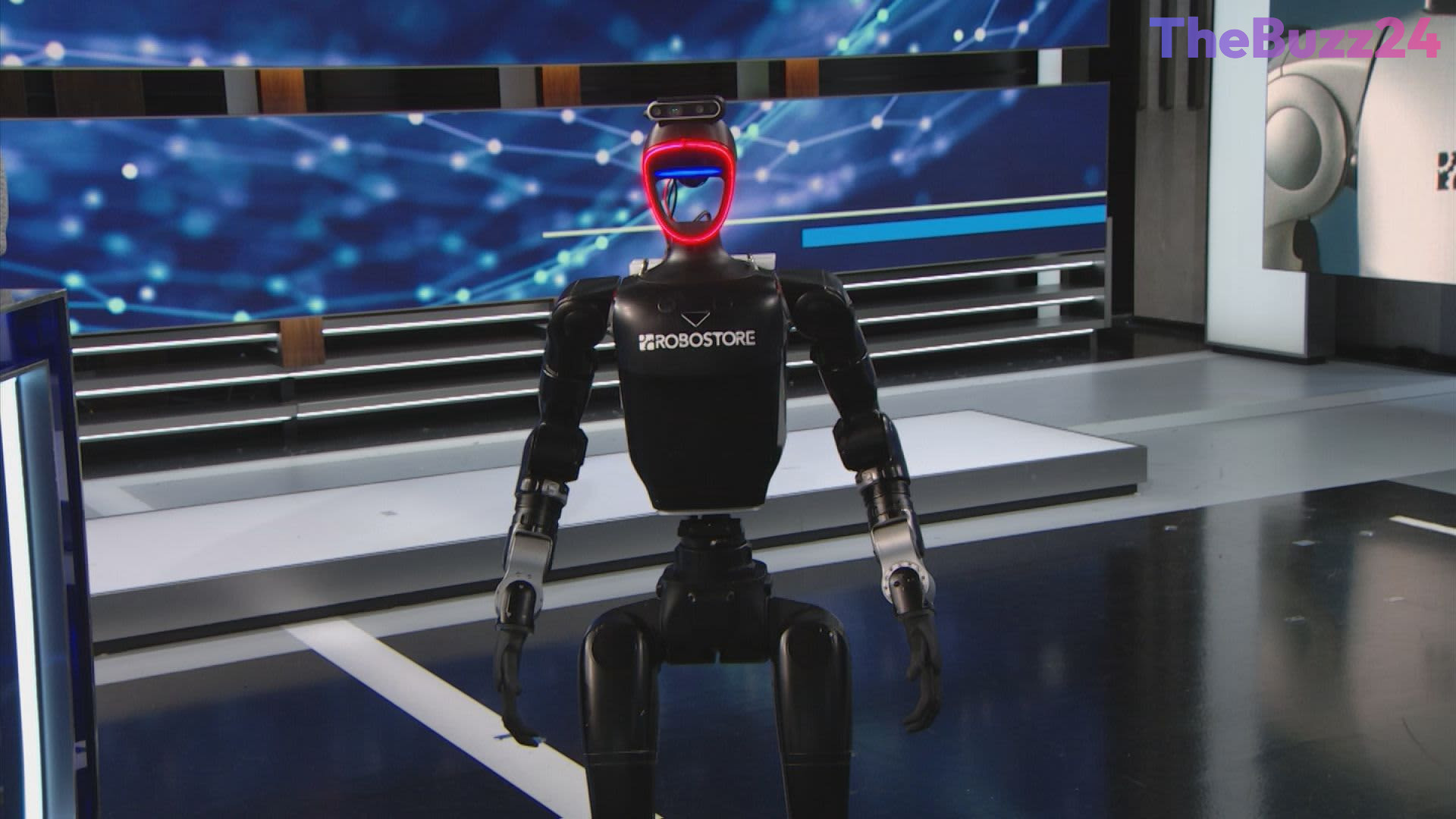
China Threatens Retaliation Over U.S. Ban on Foreign Humanoid Robots
Beijing has strongly condemned a recent U.S. regulatory decision to restrict imports of foreign-made advanced robotic devices, including humanoid robots, warning of potential retaliation. The measure, enacted by the U.S. Federal Communications Commission, cites potential cybersecurity vulnerabilities and applies to new device imports while exempting previously authorized models.
In an official statement released by China’s commerce ministry, officials argued that the escalating trade barriers severely undermine bilateral economic stability and called for an immediate withdrawal of the policy. The warning follows a tense period in international tech relations, compounded by ongoing discussions regarding artificial intelligence oversight and impending leadership meetings between Washington and Beijing.
The regulatory shift has already caused ripples in the global robotics sector. Chinese manufacturers such as Agibot, Unitree, and UBTech currently dominate installation market shares, while competitors like Tesla continue to develop their own platforms. Market reactions were immediate, with shares of prominent robotics firms experiencing volatility as several companies navigate upcoming public offerings and adjust their supply chain strategies for the North American market.
Key Takeaways
- The U.S. Federal Communications Commission restricted new imports of foreign-made humanoid robots due to cited cybersecurity risks.
- China's commerce ministry condemned the decision, calling for its withdrawal and threatening potential countermeasures.
- Major Chinese robotics firms like UBTech experienced immediate stock volatility following the announcement.
Editor’s Analysis & Impact
The latest restrictions on foreign-made humanoid robots underscore the deepening technological decoupling between the United States and China. As robotics and artificial intelligence become critical pillars of future economic and military power, regulatory bodies are increasingly utilizing national security justifications to shape market access. This escalation poses significant challenges for hardware manufacturers operating across borders, particularly those relying on global supply chains and international capital markets for initial public offerings. In the broader context, retaliatory measures from Beijing—such as tightening controls on critical minerals or restricting market entry for American tech giants—could introduce further friction into global trade dynamics. The long-term outlook suggests that both nations will continue to prioritize domestic technological self-reliance, potentially leading to fragmented regional markets for advanced automation and AI-driven hardware.
Frequently Asked Questions
Q: Why did the U.S. restrict humanoid robot imports?
A: The U.S. Federal Communications Commission enacted the restrictions citing potential cybersecurity risks associated with foreign-made advanced robotic devices.
Q: How did China respond to the restrictions?
A: China's commerce ministry criticized the policy for damaging bilateral economic stability, demanded its withdrawal, and warned that it could face retaliation.
Q: Which companies are most affected by the new rules?
A: Leading Chinese humanoid robotics manufacturers such as UBTech, Unitree, and Agibot face potential market hurdles, particularly those planning public stock offerings.
AI Disclosure: This article is based on verified data and official reports. Our Team and AI have cross-referenced every financial detail with primary sources to ensure total accuracy.
More from this Category