Commonwealth Fusion Systems Secures $1 Billion to Accelerate Commercial Fusion Energy
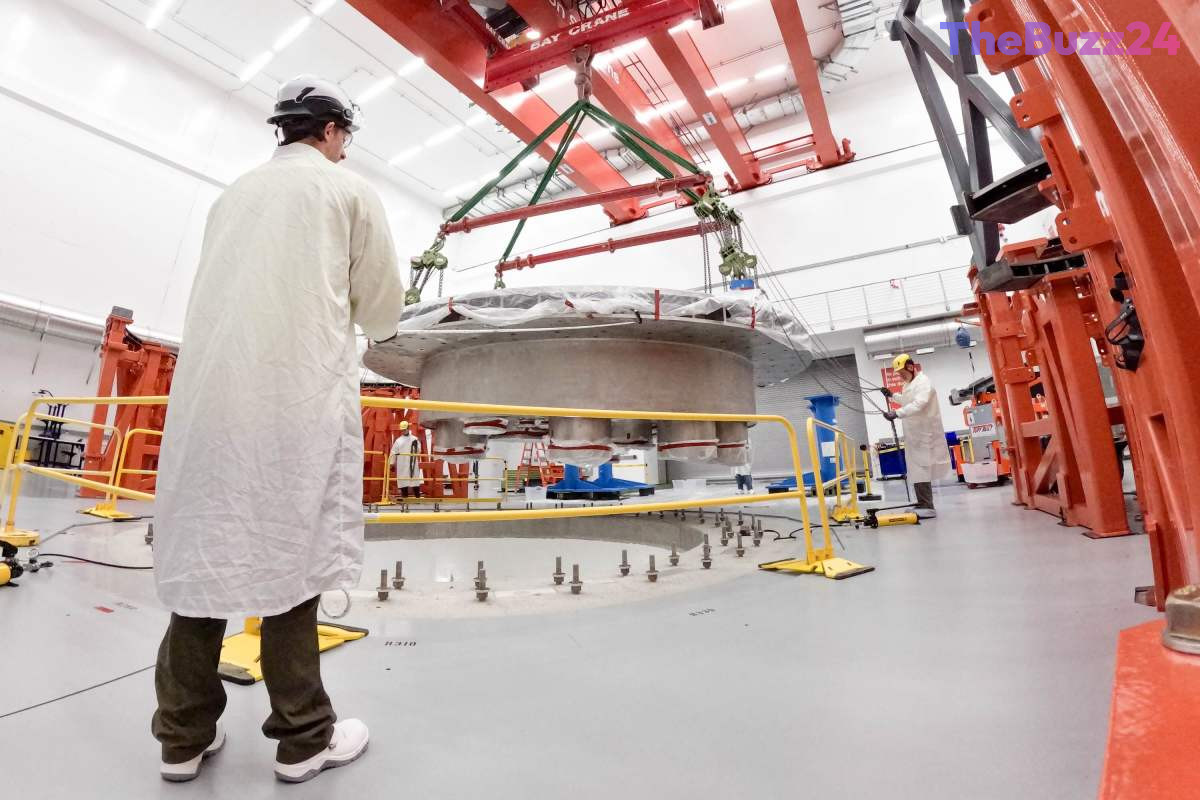
Commonwealth Fusion Systems (CFS) has successfully closed a $1 billion funding round, marking a significant milestone in the race to bring clean, limitless fusion energy to the global power grid. This latest injection of capital brings the company’s total funding to $4 billion, underscoring strong confidence from institutional investors, including sovereign wealth funds and major infrastructure partners. The fresh resources are earmarked for the ongoing construction of the Sparc demonstration reactor and the finalization of the Arc commercial power plant design.
At the heart of the company’s strategy is magnetic confinement technology, which utilizes high-powered magnetic fields to maintain the extreme temperatures and density required for fusion reactions. By harvesting the heat generated during these reactions to drive steam turbines, CFS aims to provide a reliable, carbon-free energy source. The company is currently on track to reach the critical milestone of scientific breakeven—where energy output exceeds the energy required to initiate the reaction—by 2027.
Commercial interest in the project is already mounting, with major corporations securing future energy supply agreements. Google has committed to purchasing 200 megawatts of electricity from the planned Arc facility, while Italian energy firm Eni has signed an agreement to purchase over $1 billion worth of power from the plant. As the company transitions from experimental development to large-scale infrastructure, CEO Bob Mumgaard has indicated that further capital raises may be necessary to support the ambitious deployment of its commercial fusion technology.
Key Takeaways
- Commonwealth Fusion Systems has raised $1 billion, bringing its total lifetime funding to $4 billion.
- The company aims to achieve scientific breakeven with its Sparc reactor by 2027.
- Major corporate partners, including Google and Eni, have already signed agreements to purchase electricity from the future Arc commercial plant.
Editor’s Analysis & Impact
The successful $1 billion raise by Commonwealth Fusion Systems signals a maturing market for deep-tech energy solutions. While fusion has historically been viewed as a ‘decades away’ technology, the influx of capital from institutional and corporate players suggests a shift toward tangible commercialization. The involvement of tech giants like Google indicates that the industry is looking to fusion as a primary solution for the massive energy demands of future data centers and AI infrastructure. However, the path to commercial viability remains capital-intensive and technically challenging. The 2027 scientific breakeven target will be a ‘make or break’ moment for the sector; success will likely trigger a massive wave of infrastructure investment, while delays could lead to a cooling of investor sentiment in the fusion space.
Frequently Asked Questions
Q: What is scientific breakeven in the context of fusion energy?
A: Scientific breakeven occurs when a fusion reaction produces more energy than the amount of energy required to heat and confine the plasma to trigger the reaction.
Q: How does Commonwealth Fusion Systems generate electricity?
A: The company uses magnetic confinement to create fusion reactions, which release heat. This heat is then captured to power steam turbines, which generate electricity for the grid.
AI Disclosure: This article is based on verified data and official reports. Our Team and AI have cross-referenced every financial detail with primary sources to ensure total accuracy.
More from this Category