Beyond the Lab: How Interns Are Powering the Next Era of Space Exploration
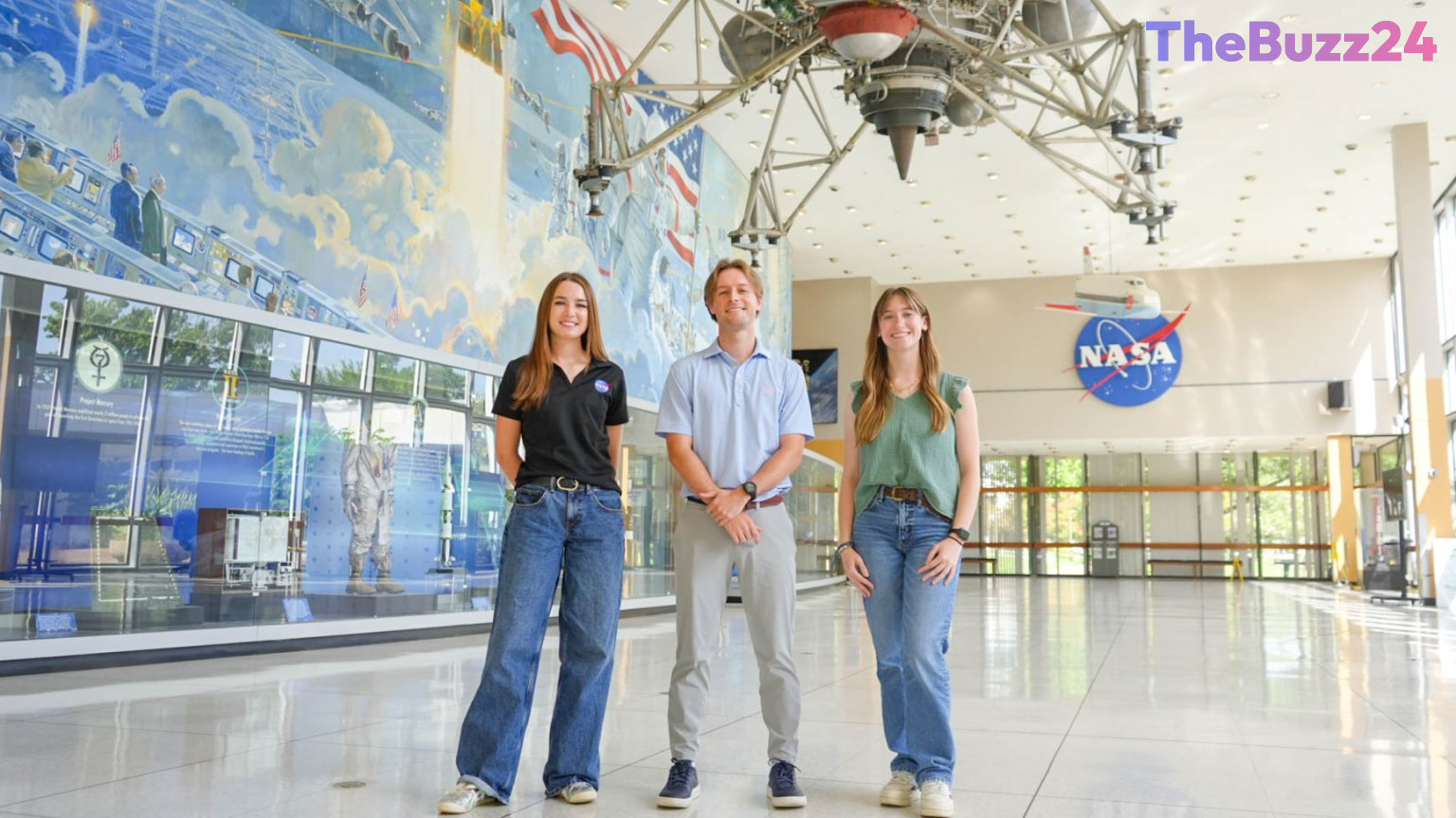
At the Johnson Space Center, a new generation of talent is proving that the future of space exploration requires more than just rocket scientists. Interns from diverse academic backgrounds are integrating their unique skill sets—ranging from generative artificial intelligence and multimedia design to professional photography—into the core operations of high-stakes missions. By working directly alongside veteran engineers and researchers, these students are gaining critical experience while contributing to the success of programs like the Artemis missions and the development of lunar outposts.
For many of these interns, the experience has redefined their understanding of what a career in the aerospace sector looks like. Macie Landon, a visualization student, has utilized her expertise in 3D modeling and graphic design to bridge the gap between complex lunar research and public understanding. Similarly, John Graham Reynolds, an AI and machine learning researcher, has applied his engineering background to develop sophisticated interfaces that assist flight controllers in troubleshooting the Orion spacecraft. These roles highlight a growing trend where creative and technical disciplines intersect to solve the multifaceted challenges of modern spaceflight.
Beyond the technical contributions, the internship program emphasizes the power of mentorship and collaborative culture. Whether it is documenting historic crew announcements through professional photography or refining AI-driven documentation systems, these interns are embedded in the daily rhythm of mission-critical work. By fostering an environment where curiosity is encouraged and cross-disciplinary teamwork is the standard, the program is effectively preparing a pipeline of professionals ready to tackle the complexities of humanity’s next giant leaps in space.
Key Takeaways
- Interns at the Johnson Space Center are contributing to mission-critical tasks, including AI development for the Orion spacecraft and strategic communications for lunar programs.
- The program highlights the importance of interdisciplinary skills, showing that creative fields like graphic design and photography are essential to modern space exploration.
- Mentorship and collaborative environments are central to the internship experience, helping students transition from academic studies to professional roles in the aerospace industry.
Editor’s Analysis & Impact
The integration of diverse skill sets into aerospace operations reflects a broader shift in the technology and space sectors. As missions become increasingly complex, the demand for ‘soft’ technical skills—such as data visualization, user-interface design, and AI-assisted documentation—is rising. By embedding interns into these specialized roles, organizations like the Johnson Space Center are not only accelerating current project timelines but also cultivating a workforce that is inherently cross-functional. This model of experiential learning is vital for the future of the space economy, which will require a blend of traditional engineering prowess and modern digital literacy. As private and public space initiatives expand, the ability to communicate complex mission goals to the public and streamline internal technical workflows will remain a significant competitive advantage for any organization in the sector.
Frequently Asked Questions
Q: What kind of roles do interns perform at the Johnson Space Center?
A: Interns perform a wide variety of roles, including developing generative AI systems for mission support, creating multimedia content for public outreach, and documenting historic mission milestones through professional photography.
Q: Is an engineering degree required to intern at NASA?
A: While many interns have technical backgrounds, the agency also recruits students from creative fields such as visualization, graphic design, and photography to support communication and documentation efforts.
AI Disclosure: This article is based on verified data and official reports. Our Team and AI have cross-referenced every financial detail with primary sources to ensure total accuracy.
More from this Category