Inside the Gaza Disarmament Roadmap: A Monumental Shift Toward Regional Peace
A significant breakthrough has emerged in the ongoing Middle East conflict as leadership moves forward with a phased disarmament roadmap for Gaza. The agreement outlines a structured process to inventory and secure heavy military equipment, production sites, and underground tunnels, marking what has been described as a pivotal step toward long-term security and regional stability.
Under the terms of the newly negotiated framework, oversight of the transition will be managed by an independent Palestinian National Committee alongside an International Stabilisation Force. Heavy weaponry and remaining military hardware are slated for secure storage rather than being transferred to external parties, while personal and police arms are to be registered and integrated into a newly trained police force. Simultaneously, the agreement calls for a gradual, time-bound withdrawal of military forces, contingent upon full compliance from all factions involved.
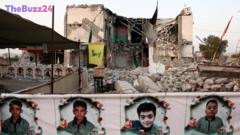
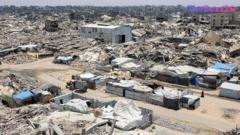
Despite the diplomatic progress, the roadmap faces considerable skepticism on the ground and within political circles. Israeli officials have expressed doubts regarding the complete surrender of military capabilities, and localized security concerns remain high. Furthermore, civilian infrastructure inside the territory has suffered catastrophic damage, with millions facing severe humanitarian challenges, displaced populations, and vast amounts of debris left in the wake of prolonged conflict. Regional mediators and international stakeholders continue to monitor the implementation closely to ensure compliance and prevent further escalation.
Key Takeaways
- Hamas has agreed to a phased disarmament plan involving the secure storage of heavy weapons and underground infrastructure.
- Oversight will be handled by an independent Palestinian National Committee and an International Stabilisation Force.
- The agreement is tied to a gradual withdrawal of forces, though Israeli officials remain deeply skeptical of full implementation.
Editor’s Analysis & Impact
The announcement of a structured disarmament roadmap for Gaza represents a critical juncture in regional geopolitics, carrying profound implications for Middle Eastern diplomacy and reconstruction efforts. While the formalization of a transition plan backed by international stakeholders offers a rare glimmer of hope for peace, the ultimate success of the initiative depends heavily on execution and trust-building between all parties. The transition of administrative and security power to an independent technocratic committee could lay the groundwork for long-awaited humanitarian relief and physical rebuilding. However, deep-seated skepticism from Israeli leadership and the immense logistical hurdle of clearing vast amounts of wartime debris mean that implementation will be fraught with challenges. If successful, this framework could redefine security arrangements in the territory; if it collapses, it risks plunging the region back into an even deeper diplomatic stalemate.
Frequently Asked Questions
Q: Who will oversee the disarmament process in Gaza?
A: The disarmament process is set to be overseen by an independent Palestinian National Committee alongside the deployment of an International Stabilisation Force.
Q: What happens to Hamas's heavy weapons under the new plan?
A: Heavy weapons, military production sites, and tunnels will be mapped, inventoried, and moved into secure storage managed by the National Committee, rather than being handed over to external parties.
Q: What are the main obstacles facing the peace roadmap?
A: Key challenges include deep skepticism from Israeli officials regarding compliance, the complex logistics of withdrawing forces and disarming factions, and severe humanitarian crises on the ground.
AI Disclosure: This article is based on verified data and official reports. Our Team and AI have cross-referenced every financial detail with primary sources to ensure total accuracy.
More from this Category