Global Memory Shortage Hits Apple Supply Chain as MacBook Air Stock Dwindles
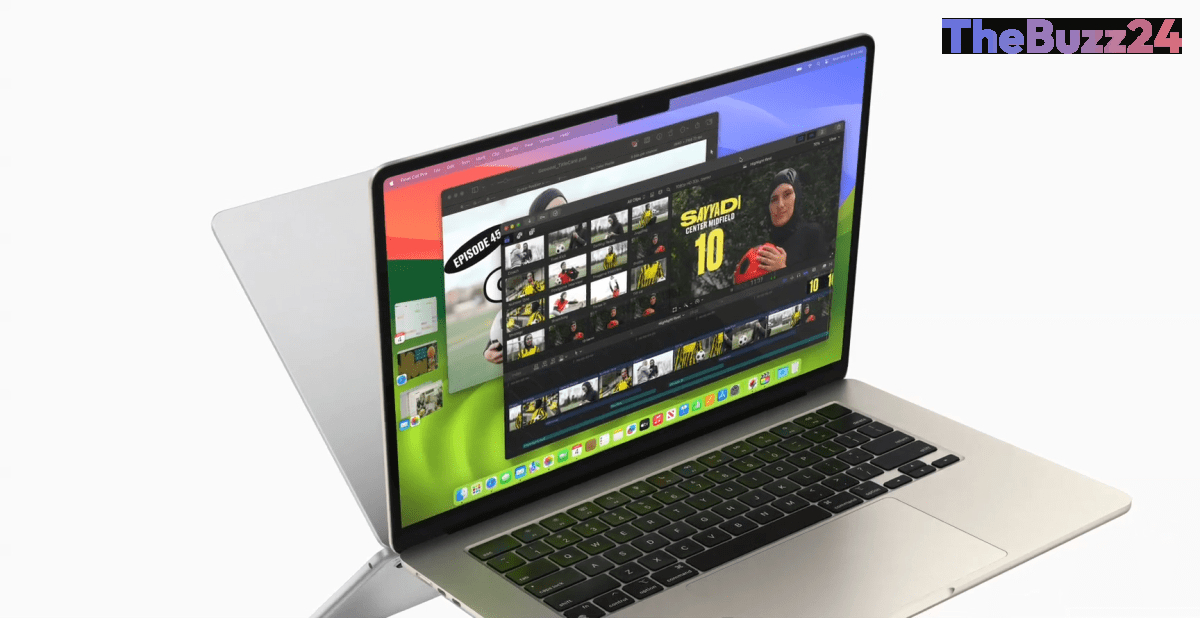
A growing global shortage of memory chips is severely impacting the availability of Apple’s popular MacBook Air lineup. Driven largely by the voracious appetite of artificial intelligence firms competing for semiconductor inventory, the supply crunch has expanded beyond niche desktop machines like the Mac mini and Mac Studio, directly hitting Apple’s highest-volume consumer laptop line. Retailers report that inventory levels are tighter than ever, leading to unusual delivery delays for shoppers.
Customers attempting to purchase a MacBook Air through official retail channels are facing extended delivery timelines. Depending on the specific configuration and memory capacity selected, estimated arrival dates have been pushed into late August, with certain higher-end setups delayed until mid-September. The constraints arrive at a critical juncture during the back-to-school shopping season, traditionally one of the busiest quarters for personal computer sales.
To mitigate the ongoing inventory bottleneck, Apple is actively adjusting its supply chain logistics and retail marketing strategies. The tech giant is working to secure additional component inventory by turning to memory suppliers based in China while preparing strategic pricing adjustments. Additionally, seasonal promotional materials have shifted emphasis toward base-model MacBook Pro machines, explicitly warning buyers that MacBook Air inventory remains subject to availability.
Key Takeaways
- An ongoing global memory chip shortage driven by AI industry demand is causing significant stock shortages for the MacBook Air.
- Estimated delivery dates for many MacBook Air configurations have been pushed back into late August and September.
- Apple is expanding its supply chain to Chinese memory manufacturers and shifting marketing focus toward the MacBook Pro to manage inventory.
Editor’s Analysis & Impact
The spillover of the global AI hardware boom into mainstream consumer electronics underscores the extreme strain currently placed on global semiconductor supply chains. With chipmakers prioritizing high-margin hardware for data centers, commodity memory production has suffered allocation trade-offs. Apple’s vulnerability in its flagship consumer laptop highlights that even tech leaders with immense purchasing power are not immune to systemic supply disruptions. By onboarding new Chinese suppliers and shifting promotional campaigns toward the MacBook Pro, Apple aims to protect its critical back-to-school revenue. Looking ahead, hardware manufacturers may increasingly pass rising component costs onto consumers or temporarily adjust baseline specs until memory production balances out.
Frequently Asked Questions
Q: Why is there a shortage of MacBook Air laptops?
A: The surge in demand for memory chips by artificial intelligence companies has created a global supply deficit, restricting the availability of RAM required for consumer devices.
Q: How long are the delivery delays for a new MacBook Air?
A: Delivery estimates for various MacBook Air configurations have stretched into late August and September.
Q: How is Apple responding to the supply limitations?
A: Apple is sourcing memory components from Chinese suppliers, adjusting product pricing, and reorienting back-to-school marketing efforts toward the MacBook Pro.
AI Disclosure: This article is based on verified data and official reports. Our Team and AI have cross-referenced every financial detail with primary sources to ensure total accuracy.
More from this Category