Avalanche Claims Elite Nepali Guides on Broad Peak, Shaking Global Mountaineering
A devastating avalanche on Pakistan’s Broad Peak has claimed the lives of six highly accomplished Nepali mountain guides, including the globally renowned climber Nirmal Purja. This tragic event represents a profound loss for Nepal’s mountaineering community and underscores the inherent dangers of high-altitude expeditions, particularly in the challenging Karakoram range.
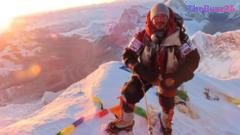
The deceased guides collectively boasted dozens of Mount Everest summits and numerous groundbreaking achievements, previously considered impossible. Their feats included scaling 8,000-meter peaks without supplemental oxygen and conquering K2, one of the world’s most perilous mountains, during winter. Beyond their individual accomplishments, these individuals were instrumental in elevating the global recognition of Nepali mountain guides, often referred to as Sherpas, from mere support staff to celebrated mountaineering legends. Among them, Nirmal Purja, 43, known as Nims, gained international fame for his record-breaking ascent of the world’s 14 highest peaks in just over six months. Kili Pemba Sherpa, 46, had recently completed the coveted mountaineering Grand Slam and was part of the historic first winter ascent of K2. Pur Bahadur Gurung, 37, an elite IFMGA-certified guide, had summited 12 of the 14 eight-thousanders. Other notable losses include Gyaljen Sherpa, Nima Sherpa, and Nawang Thindu Sherpa, all celebrated for their extraordinary climbing prowess and contributions to the sport.
The incident highlights the unique challenges of mountaineering in Pakistan’s remote Karakoram mountains, which, despite attracting fewer visitors than the Himalayas, are gaining popularity among elite climbers. Figures like Purja were credited with drawing international attention to these formidable peaks. Unlike the well-developed infrastructure of the Nepali Himalayas, expeditions in Pakistan demand greater self-sufficiency, with guides often fixing their own ropes and establishing camps in isolated terrain. Emergency evacuations are also significantly more complex due to fewer accessible landing zones and limited rescue resources, requiring guides with exceptional skills and the ability to operate under extreme pressure.
Despite the profound sorrow and calls for enhanced safety measures, experts suggest that such tragedies, while deeply impactful, may not fundamentally alter the trajectory of high-altitude tourism. The inherent risks and the pursuit of global fame and records continue to be a powerful draw for both climbers and guides. History shows that even major disasters, such as the 2014 Everest ice avalanche or the 2008 K2 incident, have not significantly deterred the relentless human drive to conquer the world’s highest peaks. The appeal of extreme mountaineering, with its blend of danger and achievement, is expected to endure, continuing to attract a new generation of adventurers.
Key Takeaways
- Six elite Nepali mountain guides, including the renowned Nirmal Purja, perished in an avalanche on Pakistan's Broad Peak, marking a significant loss for the global mountaineering community.
- The deceased were celebrated for their record-setting achievements, including multiple 8,000-meter peak ascents and pioneering expeditions, which significantly elevated the status of Nepali Sherpas.
- Despite the inherent dangers and the recent tragedy, the allure of high-altitude mountaineering and the pursuit of extreme challenges are expected to continue attracting climbers to remote and perilous peaks.
Editor’s Analysis & Impact
The loss of such experienced and pioneering Nepali guides on Broad Peak represents a severe blow to the high-altitude guiding industry, particularly impacting expeditions requiring unparalleled skill and leadership. While the immediate market impact might be a temporary re-evaluation of risk for certain challenging routes, especially in Pakistan, the long-term outlook for commercial mountaineering is unlikely to see a significant downturn. Historically, the inherent dangers of the mountains, paradoxically, contribute to their appeal. This incident underscores the disproportionate risks borne by local guides, who are the backbone of the industry, and highlights the critical need for improved safety infrastructure and emergency response capabilities in remote ranges like the Karakoram. The tragedy also serves as a stark reminder of the fine line between adventure tourism and the raw, unpredictable power of nature, a balance that will continue to be tested as more individuals pursue extreme climbing feats.
Frequently Asked Questions
Q: Who were some of the prominent guides lost in the Broad Peak avalanche?
A: Among the six Nepali guides lost were Nirmal Purja, famous for climbing the world's 14 highest peaks in record time; Kili Pemba Sherpa, who completed the mountaineering Grand Slam and was part of the first winter ascent of K2; and Pur Bahadur Gurung, an elite IFMGA-certified guide with numerous 8,000-meter peak ascents.
Q: What makes climbing in Pakistan's Karakoram mountains particularly challenging compared to the Himalayas?
A: The Karakoram mountains in Pakistan are significantly more remote and less developed than the Himalayas. This means expeditions require greater self-sufficiency, with guides often responsible for fixing ropes and establishing camps. Furthermore, emergency evacuations are more difficult due to fewer accessible landing zones and limited rescue infrastructure, demanding exceptional skills from the guides operating there.
Q: Will this tragedy likely impact the future of high-altitude mountaineering?
A: While the Broad Peak tragedy is a profound loss and will undoubtedly prompt reflection on safety, experts suggest it is unlikely to significantly alter the overall trajectory of high-altitude mountaineering. The inherent dangers and the pursuit of records and global fame continue to be a powerful draw for climbers, and historical precedents indicate that such incidents, despite their severity, rarely deter the ongoing growth of the sport.
AI Disclosure: This article is based on verified data and official reports. Our Team and AI have cross-referenced every financial detail with primary sources to ensure total accuracy.
More from this Category