Ford Defends 10.2% July Sales Drop as Strategic Shift Toward High-Margin Vehicles
Ford Motor Company reported a 10.2% decline in its U.S. vehicle sales for July, yet the Detroit automaker is framing the drop as a positive outcome of a deliberate, long-term strategy. According to company executives, the decrease was planned as part of a broader effort to phase out lower-margin segments and transition toward a more profitable product lineup.
The sales dip is primarily attributed to the intentional sunsetting of two prominent models—the Ford Escape and the Lincoln Corsair—alongside a massive 96% reduction in daily rental fleet sales compared to the previous year. By scaling back on these lower-margin fleet volumes, Ford aims to clear the runway for a wave of new product introductions slated to debut by the end of the decade.
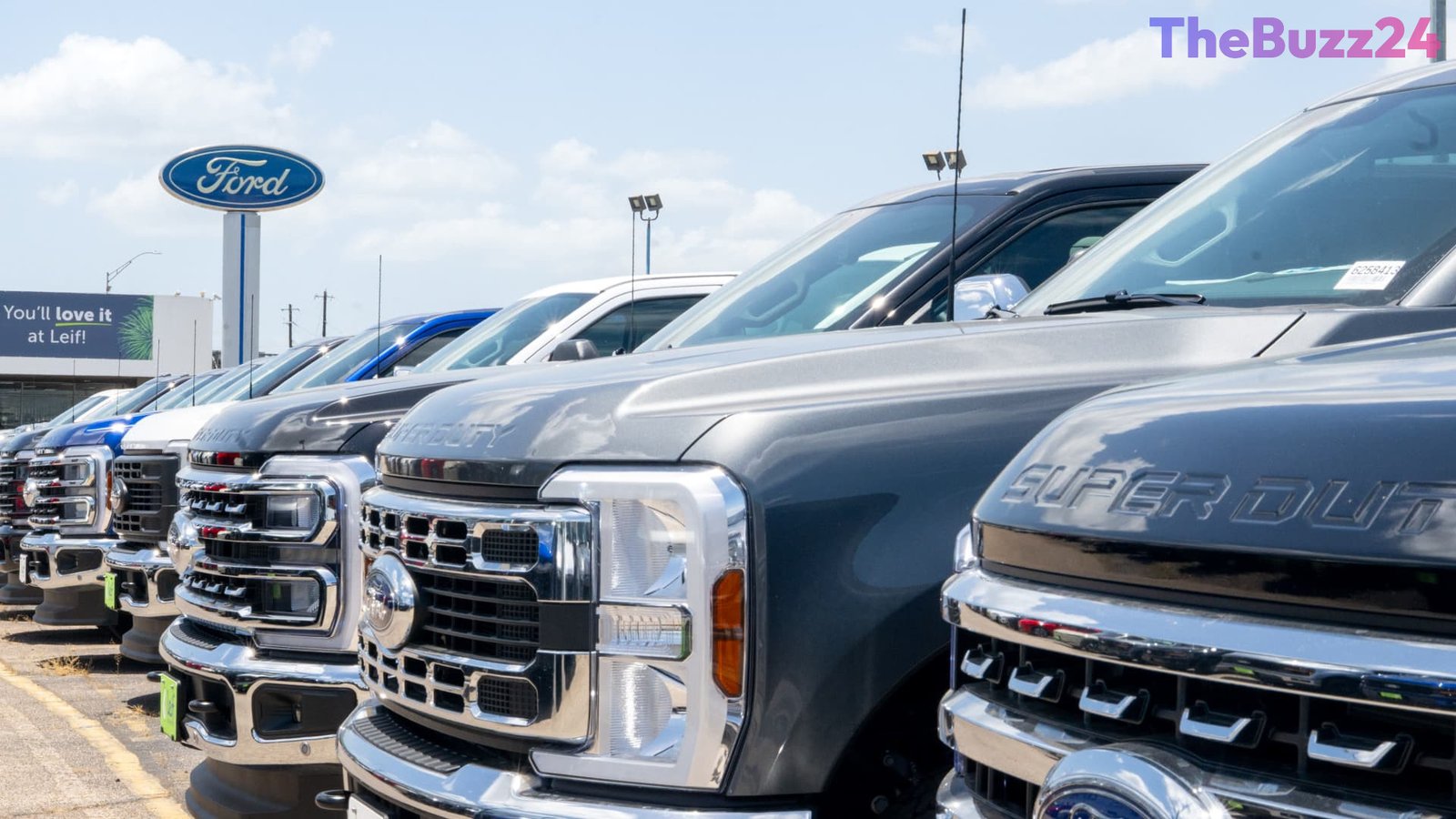
Instead of chasing volume through rental fleets, Ford prioritized high-margin retail sales, particularly its flagship F-Series pickup trucks. This focus comes as the automaker continues to bounce back from production bottlenecks caused by fires at a key aluminum supplier last year. Ford asserts that without these intentional product phase-outs and fleet reductions, its July sales would have slipped by less than 1%, outperforming the broader industry’s estimated 2% decline for the month.
Despite the optimistic outlook from management, the July figures contribute to a challenging year for Ford, with year-to-date sales down 9.7%. The entire automotive sector is currently grappling with macroeconomic headwinds, including elevated vehicle prices and cautious consumer spending. Industry analysts project total U.S. auto sales to contract by roughly 3% this year, landing at approximately 15.8 million units.
Key Takeaways
- Ford's U.S. sales fell 10.2% in July, bringing its year-to-date sales decline to 9.7%.
- The automaker attributes the drop to a deliberate strategy of phasing out the Ford Escape and Lincoln Corsair while slashing low-margin rental fleet sales by 96%.
- Ford prioritized retail sales of its highly profitable F-Series trucks as it recovers from supplier-related production disruptions.
Editor’s Analysis & Impact
Ford’s decision to prioritize profit margins over raw sales volume represents a calculated risk in an increasingly challenging macroeconomic environment. By aggressively cutting low-margin rental fleet sales and phasing out older models like the Escape and Corsair, Ford is betting that a leaner, more premium product mix will yield healthier financial returns. However, this strategy leaves the automaker highly dependent on its flagship F-Series trucks to carry the financial load during a transitional phase. With year-to-date sales down nearly 10% and consumer demand softening across the entire automotive sector due to high interest rates and elevated vehicle pricing, Ford’s transition window is tight. If the promised wave of new product introductions faces delays or fails to capture consumer interest, Ford risks losing valuable market share to competitors who are maintaining more diverse and affordable portfolios.
Frequently Asked Questions
Q: Why did Ford's sales decline so sharply in July?
A: Ford's 10.2% sales decline was driven by a strategic decision to phase out the Ford Escape and Lincoln Corsair models, alongside a 96% reduction in low-margin daily rental fleet sales.
Q: How is Ford addressing the sales drop?
A: The company is focusing on high-margin retail sales, particularly its F-Series pickup trucks, and preparing for a major rollout of new vehicle models by the end of the decade.
Q: Is the sales decline unique to Ford?
A: No. The broader automotive industry is experiencing a slowdown, with overall U.S. auto sales projected to decline by about 3% this year due to high prices and economic concerns.
AI Disclosure: This article is based on verified data and official reports. Our Team and AI have cross-referenced every financial detail with primary sources to ensure total accuracy.
More from this Category