GM and SAIC Motor Forge Ahead: Joint Venture Extended Amidst Shifting Global Auto Landscape
General Motors (GM) and its long-standing Chinese partner, SAIC Motor, have agreed to extend their joint venture for an additional 20 years, pushing the partnership’s expiration to 2047. This significant extension of their 50-50 collaboration, initially established in 1997 for a 30-year term, underscores a commitment to the crucial Chinese market despite evolving industry dynamics and geopolitical complexities.
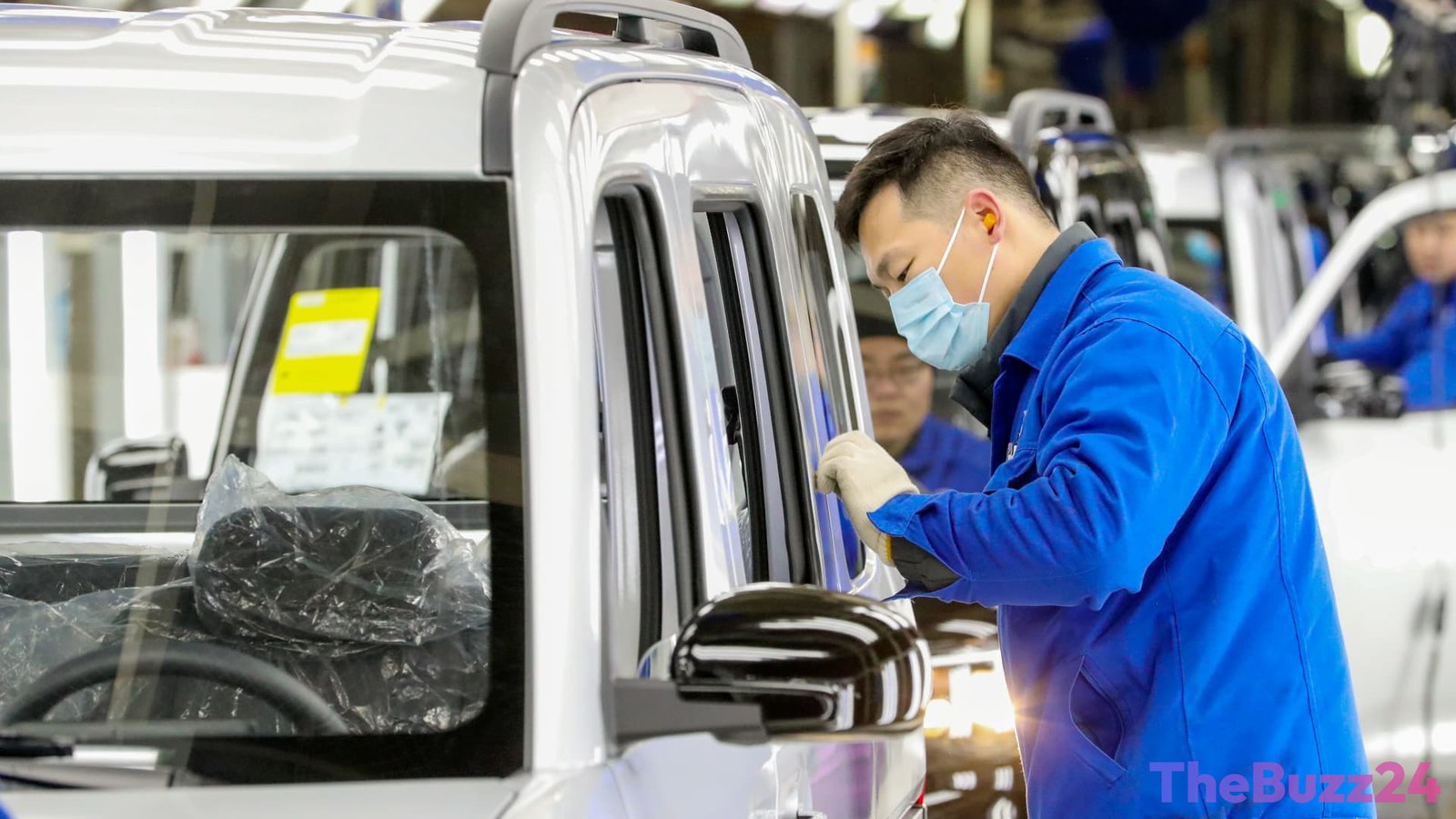
The renewed agreement signals a strategic focus on bolstering domestic sales for GM’s Buick and Cadillac brands within China. Furthermore, the venture will leverage its manufacturing capabilities to export Chevrolet models produced in China to international markets, excluding the United States. This move aligns with China’s recent emergence as a global automotive export powerhouse, driven by rapid innovation and government support for its domestic industry.
This development occurs against a backdrop of profound transformation in China’s automotive sector. The rapid ascent of local manufacturers and a discernible shift away from traditional Western brands and established joint ventures have reshaped the competitive arena. GM’s decision to extend its partnership reflects an adaptation to these changing tides, aiming to maintain its presence and capitalize on new opportunities, even as the company navigates heightened U.S.-China trade tensions and potential market access challenges.
GM has historically relied heavily on China as its top sales market. However, recent years have seen a contraction in its earnings from the region, with the company experiencing losses in 2024 and 2025 after years of substantial annual profits. The joint venture has been a prolific entity, having produced and delivered over 20 million vehicles since its inception. The extension aims to revitalize performance and secure future growth avenues for both GM and SAIC Motor.
Key Takeaways
- General Motors and SAIC Motor have extended their joint venture by 20 years, now set to run until 2047.
- The extended partnership will focus on domestic sales of Buick and Cadillac in China, and exporting Chevrolet models to non-U.S. markets.
- The agreement proceeds despite significant shifts in China's auto industry, including the rise of domestic brands and geopolitical tensions between the U.S. and China.
Editor’s Analysis & Impact
The extension of the GM-SAIC joint venture highlights a strategic recalibration in response to the dynamic Chinese automotive market. While geopolitical headwinds and the rise of domestic competitors present challenges, GM’s commitment suggests a belief in the long-term potential of the region and its export capabilities. This move could signal a broader trend of legacy automakers adapting their China strategies, prioritizing localized production and international market penetration from Chinese manufacturing bases. The success of this extended venture will depend on its ability to navigate market saturation, technological shifts towards electrification, and the complex U.S.-China trade relationship.
Frequently Asked Questions
Q: Why did GM extend its joint venture with SAIC Motor?
A: GM extended its joint venture to maintain a strong presence in the crucial Chinese market, adapt to the rapidly changing automotive landscape, and leverage manufacturing capabilities for export to non-U.S. markets, despite geopolitical tensions and the rise of domestic automakers.
Q: What is the focus of the extended GM-SAIC joint venture?
A: The renewed agreement will concentrate on increasing domestic sales of Buick and Cadillac models within China, and exporting Chevrolet vehicles manufactured in China to various international markets, excluding the United States.
Q: How has the Chinese auto market changed recently?
A: The Chinese auto market has seen a rapid rise of domestic automakers, a shift away from traditional Western brands and legacy joint ventures, and has become a major global exporter of vehicles, fueled by innovation and government support.
AI Disclosure: This article is based on verified data and official reports. Our Team and AI have cross-referenced every financial detail with primary sources to ensure total accuracy.
More from this Category